

Texas A&M AgriLife experts share guidance on fireworks, heat, food safety and mosquitoes
The Fourth of July is synonymous with fireworks, grilling and outdoor fun, but it’s also a holiday that tops the charts for preventable injuries and accidents. Nationwide, Independence Day celebrations lead to thousands of fireworks-related burns, foodborne illness, heatstroke and even wildfires each year.
Texas A&M AgriLife experts recommend planning ahead and keeping in mind these four key tips to ensure the only surprises this Fourth of July are the fireworks’ dazzling displays.
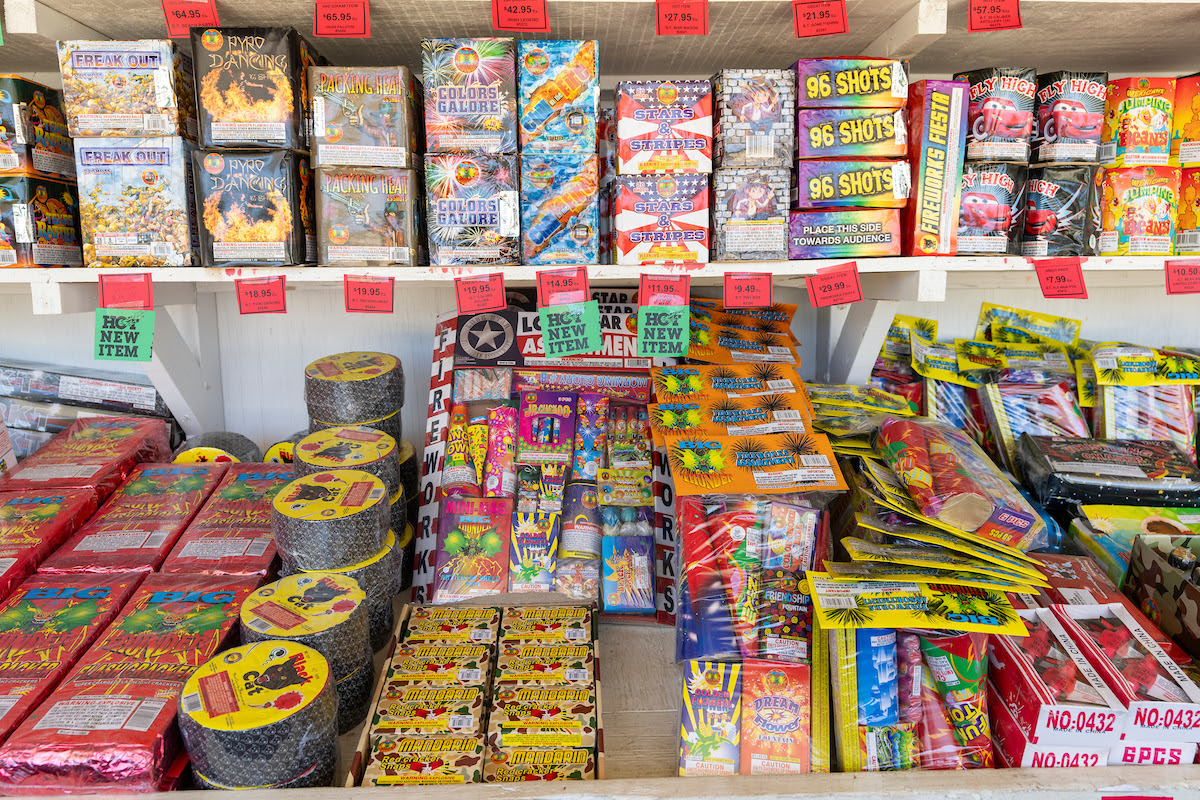
Practice firework safety
Texas A&M Forest Service reports that about 90% of wildfires are caused by human activities, and Independence Day is one of the top days for reported wildfires.
The safest way to enjoy fireworks is to attend a professional display instead of lighting your own. However, if you’ll be handling fireworks yourself, Texas A&M Forest Service experts recommend:
- Check local burn bans before you buy or ignite fireworks.
- Choose an open, clear area away from buildings, trees and vehicles
- Never allow young children to handle fireworks directly.
- Read and follow all warnings and instruction labels on fireworks.
For more information, view the Firework Safety fact sheet from Texas A&M Forest Service.
Beat the heat
High temperatures and outdoor activities also mean a greater chance for heat-related illness.
“Heat exhaustion can occur when the body heats up faster than it can cool down,” said Michael Lopez, DrPH, Texas A&M AgriLife Extension Service health specialist and assistant professor in the Family and Community Health Unit, Bryan-College Station. “It is the body’s response to excessive loss of water and salt, which can cause symptoms like heavy sweating, faintness, dizziness, fatigue, rapid pulse, headache and nausea.”
He encourages you to stay safe in the heat by protecting your skin and staying hydrated:
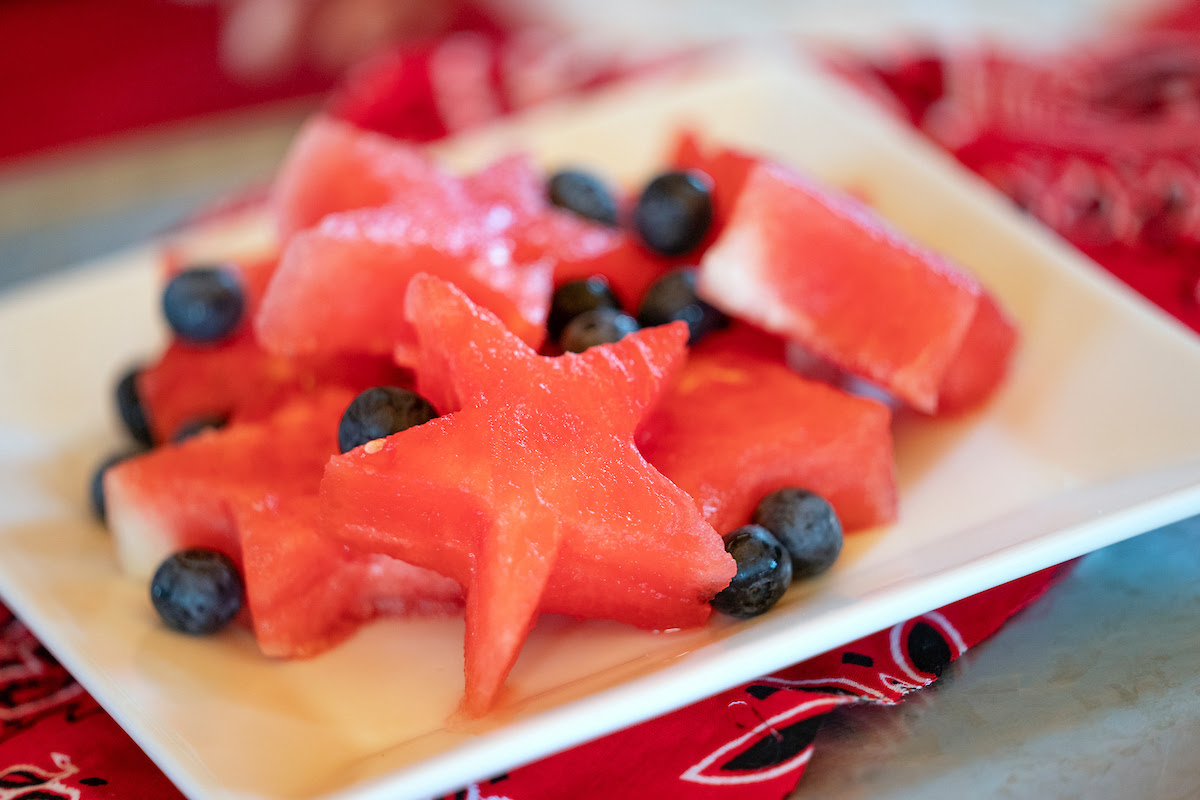
- Hydrate before going outside and bring plenty of water and hydrating snacks like watermelon, cucumbers and oranges.
- Take breaks in shaded or air-conditioned areas.
- Wear protective clothing or apply broad-spectrum protection with at least SPF 30 and reapply every few hours — more often if swimming or sweating.
Prepare food properly
The most common food safety-related issue when grilling is foodborne illness from inadequately stored or undercooked foods, said Jenna Anding, Ph.D., AgriLife Extension nutrition specialist and professor in the Texas A&M Department of Nutrition.
Bacteria that cause foodborne illnesses grow rapidly in the “danger zone” between 40 degrees and 140 degrees. Cold foods should be kept chilled until served, and hot foods should be kept above 140 degrees.
To prevent foodborne illness:
- Watch the clock. Don’t leave perishable items like meats, salads or dairy-based dishes out for more than two hours.
- Cold stays cold. Use coolers with ice packs for cold dishes.
- Hot stays hot. Keep cooked food in insulated containers.
- Prevent cross-contamination. Wash hands frequently, especially after handling raw meat, and use clean utensils and cutting boards.
Stay safe all season
Find more science-backed tips from AgriLife Extension to keep you and your loved ones healthy and protected — wherever the summer takes you.
Protect against mosquitoes
Mosquito activity peaks in the early evening, just when many are celebrating with fireworks, noted Sonja Swiger, Ph.D., AgriLife Extension entomologist and professor in the Texas A&M Department of Entomology, Stephenville.
Swiger recommends taking a few simple precautions to stay protected:
- Wear light-colored, long-sleeve shirts and full-length pants.
- Use repellents like DEET, picaridin, oil of lemon eucalyptus, IR3535 or 2-undecanone, which are registered with the Environmental Protection Agency and approved by the Centers for Disease Control and Prevention.
- If you plan to treat your yard, apply mosquito control products at least 24 hours in advance of an event.
“This time of year, you’ll need to take action to minimize the risk of mosquito bites,” she said.