





AgriLife Extension experts offer advice on planning, preparing and monitoring
Livestock producers need to take steps now to prepare as the New World screwworm approaches the Texas-Mexico border, according to Texas A&M AgriLife Extension Service livestock specialists.
Necessary action now breaks down to three areas: plan, prepare and monitor the situation and livestock, said AgriLife Extension livestock specialists Ron Gill, Ph.D., professor, Chico, and Karl Harborth, Ph.D., assistant professor, Corpus Christi, both in the Department of Animal Science.
With the latest report of New World screwworm in Mexico, only 149 miles from the Texas border, Harborth said the threat is more imminent to South Texas producers. While some progressive ranchers have already made changes in their operations, he said many producers still need to develop plans for the pest’s arrival.
“I don’t think a lot of us thought it would be an issue in our lifetime,” Harborth said. “There are still people who don’t know what screwworm is and the possibilities it brings.”
Best treatment is management and preparation
Gill and Harborth said producers’ questions at New World screwworm-related meetings have been focused on treatment.
There is no magic cure or foolproof treatment, so preparation and management should be No. 1 on the list, they said.
“Producers need to be thinking about the management side of things first,” Gill said. “Treating external parasites is a constant challenge for many producers, but it will be one of several management practices that will help producers reduce the impact of the screwworm.”
Their advice:
- Develop a plan for external parasite control, as fly and tick wounds create a place for the screwworm fly to lay eggs.
- Look for options to help reduce the impact of external parasites throughout the fly season. This may include well-timed topical fly and tick control using sprays, pour-ons, dips, and ear tags.
- Set up game cameras to monitor livestock at water sources.
- If feasible, consider using technologies such as drones or tracking collars to enhance remote monitoring and animal location.
- Establish a relationship with a veterinarian now and develop a treatment protocol. Access to several approved products requires a veterinarian’s authorization. Time is of the essence for animal treatments should an infestation be discovered.
- All employees should be trained and ready to access products suggested for treatment.
- All employees need to understand how to identify infestations, clean wounds, collect larvae, submit samples, treat current wounds and provide post-treatment care.
“Preparation is the best thing right now,” Gill said. “Stay aggressive until the sterile flies can eliminate the issue.”
Prepare the working area
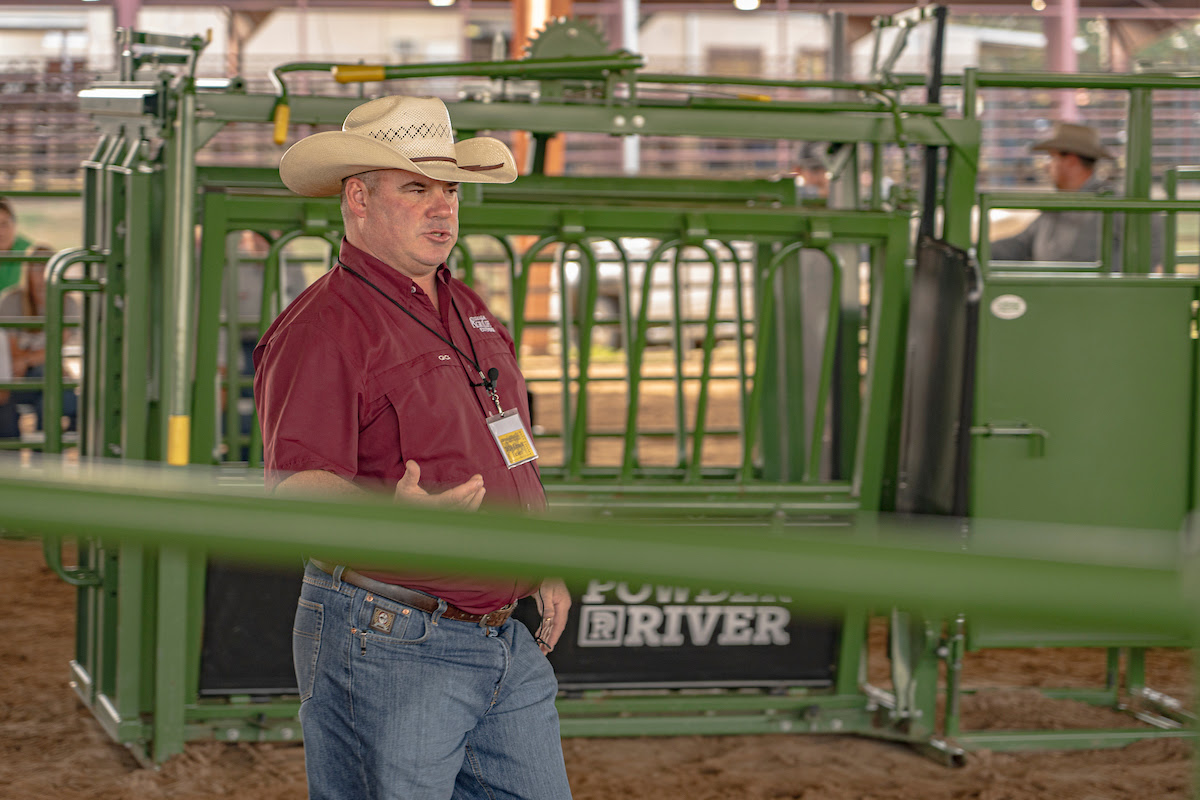
Producers need to visually inspect their livestock up close and individually for signs of screwworm infestation, Gill said.
“Being able to identify and treat is going to be key. This shouldn’t just be a drive-by window look, get close enough to look the whole animal over,” Harborth said. “An infected wound will manifest within 72 hours, and the animal could be lost in seven days.”
Their suggestions:
- Consider using cubes or some “hand-fed” supplement in the warm-season feeding routine to allow close viewing to identify wounds. Pretrain your animals for these inspections.
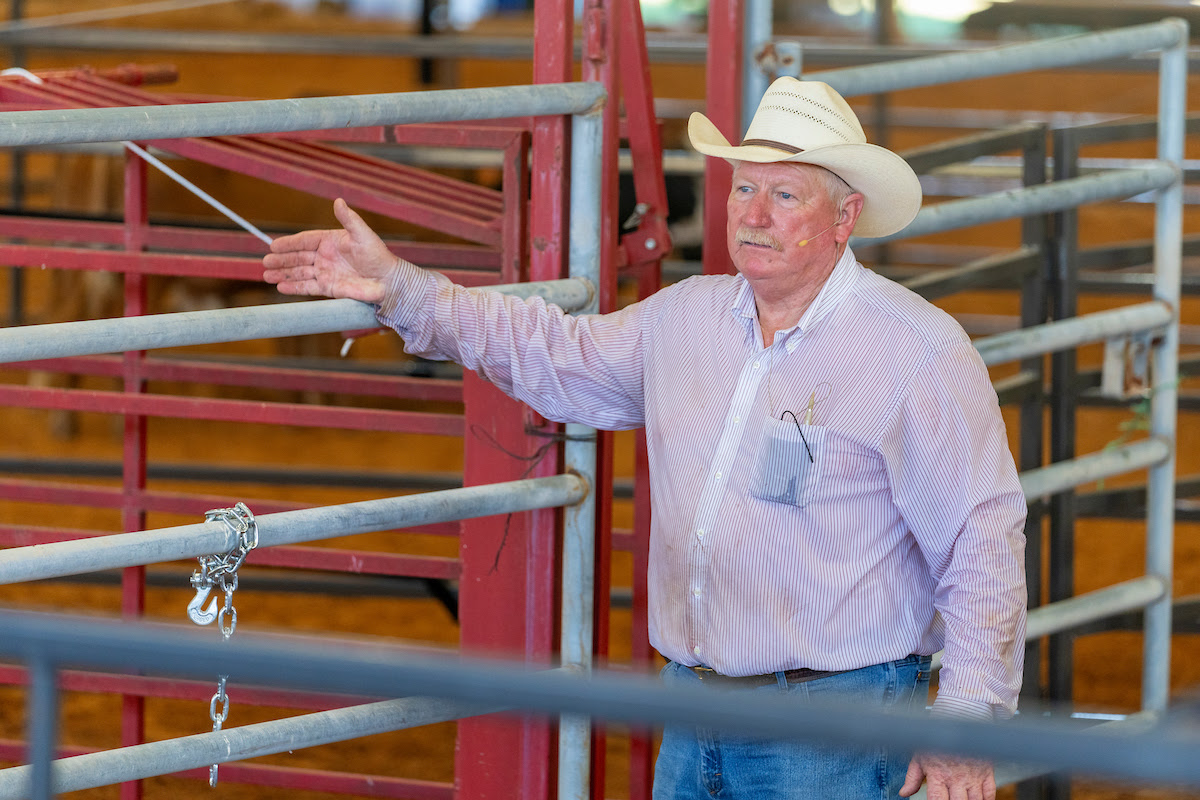
- Prepare corrals and chutes to capture animals suspected of infestations, and be able to treat and monitor them to ensure wounds heal and don’t reinfest or cause additional injury sites.
- Inspect working facilities. Fix jagged edges or nails sticking out that could cause injury or invite a screwworm infestation.
- Producers with multiple pastures will need a set of panels to gather, identify, and, if needed, treat, or consider partnering with neighbors on a portable panel system to share.
- If calving will occur during the fly season, consider placing expectant mothers in pastures with easier access or working facilities to allow for their monitoring and treatment before turning them out with the rest of the herd.
“We can’t 100% prevent injuries and open wounds that could attract New World screwworm, but we can take care of things that are under our control,” Gill said. “Look into alternatives that work for your operation. Develop a plan and be ready to act.”
Timing is everything
Gill and Harborth said producers should consider moving the birthing season and wound-inducing processing operations to the cooler months, when flies are less active or inactive, depending on the part of the state.
Their suggestions:
- Ear tagging, castrating, dehorning, shearing and branding need to be done as early in the spring as possible or late in the fall after the fly season.
- Avoid births after April until temperatures cool in late October or November.
- Ramp up treatment of the umbilical cord.
“The No. 1 route of infestation and cause of death in South American livestock due to screwworm is the entrance through the umbilicus of a newborn animal,” Harborth said. “If we can get that treated and dried up or healed faster, the fly won’t have the opportunity to make that entrance.”
Stay vigilant in monitoring and reporting
Wildlife and game cameras could be important tools for livestock producers. The deer population is very susceptible to screwworms, so cameras are a good monitoring tool for the cattle operations, the specialists said.
Remember that horses, dogs and other mammals are also susceptible, so keep an eye on everything.
“If you see something, say something,” Gill said. “Some may be hesitant to report, but that’s the only way you will get sterile fly support to target issues. Don’t try to hide anything because it is more beneficial to help.”
This fly readily moves from one property to the neighbors, and an important step in eradicating it is knowing it is active in an area, which is best done by those who work with the animals. The sooner an infestation is discovered, the quicker it can be eliminated by releasing sterile flies in the reported area.
Animal movement restrictions and protocols will likely be a component in the battle against this fly, but these are essential to stopping the widespread populations experienced in the 1960’s and 1970’s.
“As the new fly production facilities come online, we will re-eradicate this fly,” he said. “But due diligence by producers will be key to protecting our livestock and economic livelihood until that day arrives.”
More in-depth recommendations and information are available on the AgriLife Extension New World screwworm web page.