


Zoe Cheng will advance sustainable forest management and support landowners across East Texas
Zhongqian “Zoe” Cheng, Ph.D., joined Texas A&M AgriLife Research as an assistant professor of forestry in the Texas A&M Department of Ecology and Conservation Biology.
Her research-driven program is focused on sustainable forest management, ecosystem resilience and the silvicultural practices relevant to timber production.
Cheng’s research will address how forests respond to disturbances such as drought, fire and other climate extremes.
Based at the Texas A&M AgriLife Research and Extension Center in Overton, Cheng’s research appointment also supports graduate student training and mentorship.
Developing real-world connections to forest management
Zoe Cheng, Ph.D., joined Texas A&M AgriLife Research as a forest ecologist and assistant professor in the Texas A&M Department of Ecology and Conservation Biology in Overton. (Hannah Harrison/Texas A&M AgriLife)
Cheng said her position bridges applied forestry and ecological theory and contributes to the knowledge and decision-making for forest owners and stakeholders. She earned her doctorate in ecology from Peking University and has conducted research across Asia, Europe and the U.S., most recently as a postdoctoral research associate at Stephen F. Austin State University.
“I was looking for a role that connects ecological understanding with real-world forest management,” Cheng said. “We need to understand ecological mechanisms in order to develop more adaptive and sustainable management strategies to reach landowner goals.”
Cheng’s appointment is largely research-focused, but she will also mentor graduate students, guiding research projects that connect field-based data with broader ecological and forest management questions. Additionally, she will support Texas A&M Forest Service programs and applied forestry needs.
Advancing research at the intersection of ecology and forestry
Cheng’s research program is built around three core areas designed to address production and economic challenges in Texas forestry.
The first focuses on how forests respond to disturbances such as drought, fire and other climate extremes. By combining field data and modeling, she aims to better understand forest dynamics and improve resilience in working landscapes.
A second emphasis centers on restoring native forest landscape in Texas, particularly in areas where pine plantations have replaced natural ecosystems. This work includes examining hydrology, vegetation recovery and factors that influence seedling survival in degraded forest landscapes.
Her third research priority addresses a rapidly shifting timber market — specifically the challenge of managing and utilizing small-diameter timber, which has declined in value as demand for traditional paper products continue to change.
“We are looking at alternative uses and management strategies to reduce economic loss and improve outcomes for landowners,” she said. “That includes working with industry stakeholders across the forest production system, from seedlings and silvicultural practices to processing and wood products.”
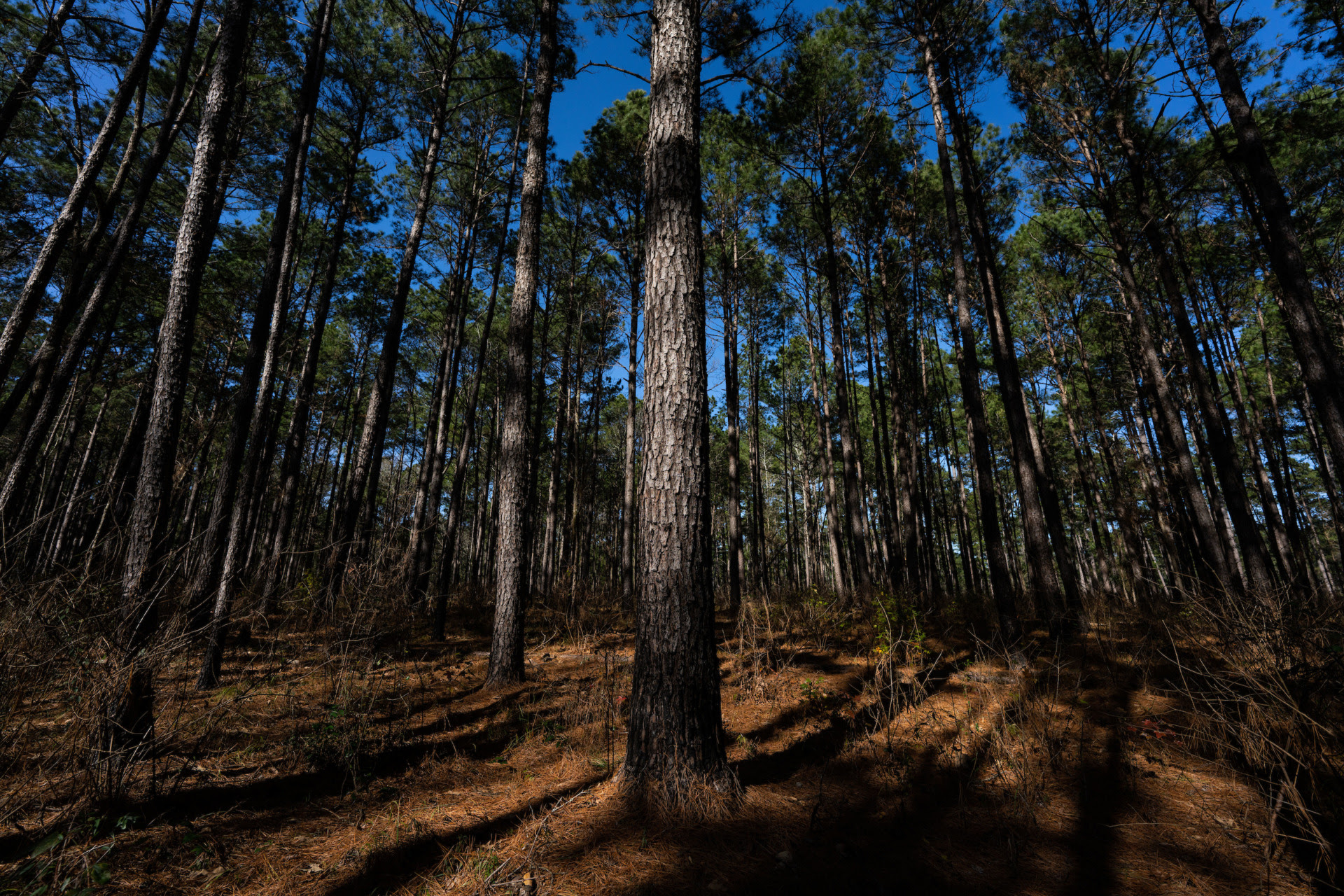
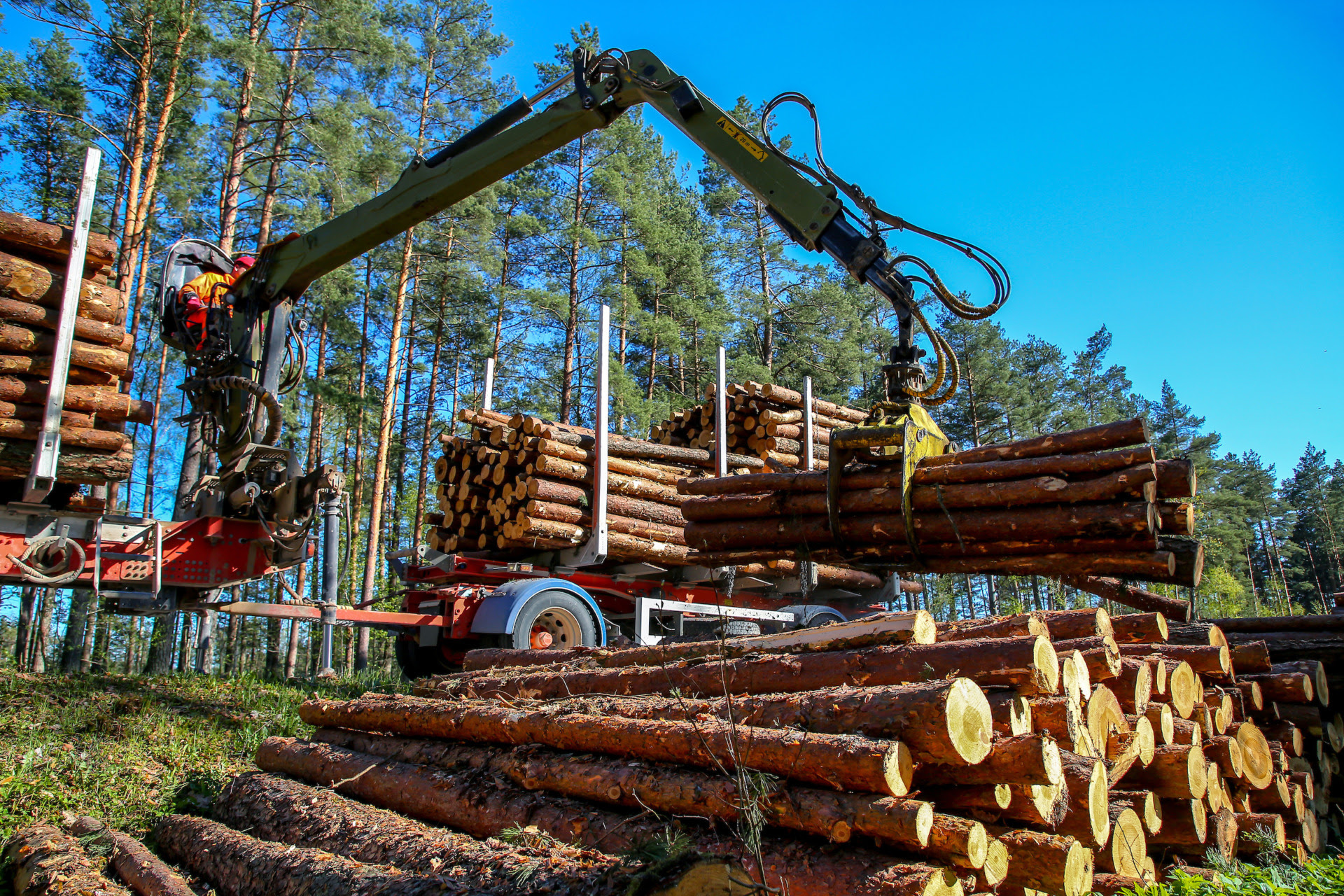
Whether it is hardwood restoration, improving habitat or timber production, Zoe Cheng’s work will help guide landowners through challenges to meet individual goals for their property. (Courtney Sacco/Texas A&M AgriLife, Adobe Stock)
Connecting research to landowner needs
A key component of Cheng’s work is engagement with stakeholders across East Texas, where most forests are privately owned. She is actively building partnerships with landowners, industry professionals and Texas A&M Forest Service and Texas A&M AgriLife Extension Service specialists to better understand on-the-ground challenges.
Her work also explores how forest management decisions can support wildlife, improve habitat conditions and enhance long-term land stewardship.
“Private landowners have diverse goals for their property, from timber production to wildlife habitat,” she said. “Understanding their priorities helps guide research that is both practical and impactful.”
Would you like more information from Texas A&M AgriLife?
Visit AgriLife Today, the news hub for Texas A&M AgriLife, which brings together a college and four state agencies focused on agriculture and life sciences within The Texas A&M University System, or sign up for our Texas A&M AgriLife E-Newsletter.
For more resources including photo repository, logo downloads and style guidelines, please visit the Resources for Press and Media.