Home Blog Page 101

Highlights from the 89th Texas Legislature

With the start of the 89th Legislative Session, State Representatives and Senators convened in Austin on Tuesday, January 14, to take the constitutional oath of office. It was such a blessing to be surrounded by my family and friends from back home as I swore to faithfully execute the duties of the office as the State Representative for House District 9. 

It is the honor of a lifetime to serve as a voice for those living in the six counties I’m blessed to represent, and you have my commitment that I will strive every day to promote and protect the interests of Deep East Texas and the values we hold dear.

With that, here’s an update from your State Capitol. . .

Capitol Update

A day before the swearing-in ceremony, Texas Comptroller Glenn Hegar released the Biennial Revenue Estimate (BRE), which outlines the state’s financial condition and provides an estimate of the revenue the Legislature can expect to receive during the next two-year budget cycle. The Comptroller projected that the state will have $194.6 billion in revenue available for general-purpose spending. Comptroller Hegar also announced a $24 billion budget surplus.

Additionally, $2.15 billion must be transferred to the Economic Stabilization Fund (ESF), also known as the “Rainy Day Fund.” The Texas Constitution requires a portion of oil and gas production taxes to go into the ESF. As its name suggests, the Rainy Day Fund serves as a financial cushion to help cover the state’s obligations when tax receipts fall short. Importantly, the Texas Constitution also caps the balance of the ESF. When the balance of the ESF exceeds the constitutional limit, excess revenue flows back into general revenue. The Comptroller projects the ESF to reach its cap during the next two years.

While any budget surplus is welcome news, I believe we should be mindful of the financial challenges many Texans are facing and craft fiscal policies that prioritize the taxpayer. Perhaps the best place to start is by using our budget surplus to provide meaningful property tax relief with strategic investments and take a close look at appraisal reform. 

I also believe that the state must plan for the future by investing in our water and transportation infrastructure, enhancing public safety by bolstering border security and law enforcement efforts, expanding access to healthcare, mental health, and emergency services in rural areas, and support our dedicated educators through much-needed pay raises. I look forward to working with my colleagues to ensure that we responsibly capitalize on this opportunity to prioritize taxpayers while also protecting and promoting future prosperity. 

On another note, the House is scheduled to take up the Housekeeping and Rules Resolutions next week. The Housekeeping Resolution dictates the administrative parameters for the House this session, such as office budgets, appropriate use of House resources, and the general duties of the House Administration Committee. 

The Rules Resolution dictates the legislative process and procedures for the next session. This includes the duties of the Speaker of the House, the organizations and jurisdiction of Committees, and the procedures for introducing and passing bills, resolutions, and amendments. 

After the passage of Housekeeping and the Rules, I expect committee assignments to be issued by the Speaker in the next few weeks. Once assignments have been made, legislation will begin moving through the process, and the real work begins. 

As always, please do not hesitate to contact my office if we can help you in any way. My district office may be reached at (936) 634-2762 and our Capitol office at (512) 463-0508. Additionally, I welcome you to follow along on my Official Facebook Page, where I will post regular updates on what’s happening in your State Capitol and share information that could be useful to you and your family: https://www.facebook.com/RepTrentAshby/

A Winter Wanderer’s Guide to Mission Tejas State Park

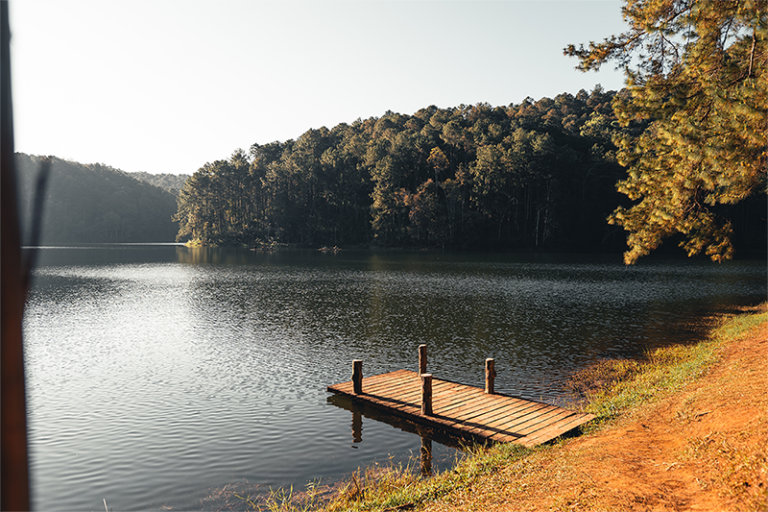
Nestled in the heart of East Texas’s piney woods, Mission Tejas State Park in Grapeland offers visitors a perfect winter retreat among towering pines and rich historical landmarks. As the crisp winter air settles through the forest canopy, the park’s 8.5 miles of trails beckon adventurers to explore paths once traveled by Spanish missionaries and early Texas settlers.

Historic Trails and Natural Beauty

The park’s crown jewel, the Nabedache Loop, provides a moderate hiking experience that connects visitors with centuries of Texas history. Along this historic trail, hikers can discover remnants of El Camino Real, the “Royal Road” established by Spanish explorers in the 1690s. While the dogwoods won’t bloom until late March, winter visitors can enjoy the peaceful solitude of the pine forest and occasionally spot wildlife taking shelter among the trees.

Activities for Everyone

Beyond hiking, the park offers a variety of activities for outdoor enthusiasts. Anglers can try their luck at the peaceful pond near the picnic area or along the serene San Pedro Creek, with no fishing license required and equipment available to borrow. For those seeking an extended stay, the park features 17 welcoming campsites, including 15 with modern amenities like electricity and water, all situated beneath the protective canopy of ancient pines.

Preserving Texas Heritage

History buffs will appreciate the preserved pieces of Texas heritage throughout the park, including a carefully maintained log home from the early 1800s and enduring structures built by the Civilian Conservation Corps. The park offers guided tours of these historic buildings and El Camino Real, though advance reservations are required.

Beyond the Park Boundaries

The surrounding area enriches any visit with notable attractions including Caddo Mounds State Historic Site, the Texas State Railroad, and Davy Crockett National Forest. For those seeking additional outdoor recreation, the nearby Ratcliff Lake Recreation Area provides a swimming beach during warmer months.

Planning Your Visit

Whether planning a day trip or an overnight stay, visitors should stop by the park headquarters to learn about geocaching opportunities – GPS units are available to borrow for this modern-day treasure hunt through the historic grounds. The park also welcomes group reservations, making it an ideal destination for school field trips, scout outings, or family gatherings.

As winter settles over the piney woods, Mission Tejas State Park stands ready to welcome visitors with its blend of natural beauty and Texas history, offering a peaceful retreat from the modern world in one of East Texas’s most cherished state parks.

With the cold front hitting today, it’s going to be extra chilly out. Be sure to grab a coat and the proper hiking gear for winter. Stay safe out there, everyone!

Senator Nichols Appointed Chair of Senate Transportation, Member of Finance, Business and Commerce, Local Government Committees

AUSTIN – Today, Lieutenant Governor Dan Patrick released committee assignments for the 89th Legislature. Senator Robert Nichols (R-Jacksonville) was once again appointed to chair the Senate Transportation Committee and was reappointed to the Senate Finance, Business and Commerce, and Local Government Committees. 

“I would like to thank the Lt. Governor for my committee assignments,” said Nichols. “It is an honor to serve on these important committees and work with my colleagues on critical issues facing Texas. As always, I will continue to be a strong voice for East and Southeast Texas.” 

Nichols has chaired the Senate Transportation Committee since 2013; the 89th session will mark his sixth session as chair. Before he was elected to the Senate, he served as a Texas Department of Transportation Commissioner for eight years. 

“This session we will continue to ensure Texas roads are safe,” said Nichols. “We will support funding for new infrastructure, make improvements on existing roads, and adapt to innovations in the transportation industry.” 

Senator Nichols was first elected to the Texas Senate in 2006. He represents 18 counties including the greater part of East and Southeast Texas and Jefferson County. 

5 Tips for Protecting Pipes and Plants During Winter Freezes

As we prepare for another round of chilly weather, it’s time to remember that the winter months can bring a few unexpected challenges for homeowners. A sharp drop in temperatures, like the one expected this weekend, can wreak havoc on outdoor plants and plumbing. But with a little preparation, we can protect our homes, gardens, and wallets from the damage that a winter freeze can bring. Here are five tried-and-true tips to help you weather the storm and keep everything safe and sound through the coldest days.

1. Insulate Your Pipes to Keep Them from Freezing

Here in Ease Texas, we’re used to occasional cold snaps, but when temperatures dip below freezing for several hours, pipes—especially those outside or in uninsulated areas—can easily freeze and burst. This can cause significant water damage and lead to costly repairs. The good news is that protecting your pipes doesn’t have to be difficult or expensive.

Start by covering any exposed pipes in your attic, crawl spaces, or along outside walls with foam pipe insulation. If you don’t have foam, old towels or blankets can work as a makeshift solution. For extra protection, consider wrapping pipes in heat tape or using space heaters in areas prone to freezing. Don’t forget to let faucets drip during extremely cold nights—this keeps the water flowing, reducing the pressure that causes pipes to freeze.

2. Wrap Up Your Plants and Shrubs

Start by covering delicate plants with blankets, burlap sacks, or even old sheets—just make sure they don’t touch the plant itself. You can also use mulch or pine straw around the base of plants to help insulate their roots. If you have potted plants, bring them inside or place them in a sheltered spot. And while you’re at it, make sure to water your plants well before the freeze. Moist soil helps protect plant roots better than dry soil, which can crack and cause damage.

3. Keep Your Outdoors Safe from Wind and Ice

Wind chills can freeze pipes and plants in no time, and ice accumulation can damage tree limbs and outdoor structures. So, it’s important to make sure your home’s exterior is ready for the storm.

Trim any overhanging tree branches that could snap under the weight of ice or strong winds. If you have a patio or outdoor decorations, secure them properly or move them indoors if possible. For pipes exposed to the elements, adding windbreaks—like fencing or large outdoor planters—can provide some extra protection. And, if you have outdoor furniture or garden statues, take the time to either move them inside or cover them up to prevent any damage from freezing rain or ice buildup.

4. Prepare Your Heating System for Extra Demands

When a big cold front is headed our way, it’s easy to forget about the importance of heating maintenance until we’re shivering in the living room. But taking care of your home’s heating system ahead of time can help prevent breakdowns during the coldest stretches of winter. In fact, keeping your system running smoothly can also help prevent frozen pipes.

Check your furnace filters and change them if they’re clogged with dust or debris. Make sure your heating system is working efficiently by scheduling a quick tune-up with a local technician if you haven’t done so already. It’s also a good idea to test your space heaters to ensure they’re functioning properly. If you rely on space heaters during a freeze, always follow safety guidelines—keep them away from flammable materials, and never leave them on unattended.

5. Stock Up on Supplies in Case of an Emergency

Everyone is all too familiar with stocking up just in case. Normally, you’d be stocking up before a big tropical storm. This time, instead of it flooding on the roads, it’s going to ice-over.

Make sure you have plenty of bottled water, non-perishable foods, and batteries for flashlights in case of power outages. Stock up on de-icer or sand to help prevent icy walkways and driveways. It’s also a good idea to have extra blankets and warm clothes stored up, just in case the temperature plummets even further than expected. By taking the time to prepare in advance, you’ll be able to stay safe and warm while minimizing the stress of a surprise cold front.

Staying Warm and Safe

While winter with such extreme colds for Texas can be tough, we’re a resilient bunch. By following these simple yet effective tips for protecting pipes and plants, we can keep our homes safe, our gardens thriving, and ourselves warm, even in the coldest weather. So, bundle up, stay prepared, and know that we’re all in this together.

College and Career Fair 2025 (Sabine County)

0

Let us know if you would like to come be a part of our College and Career Fair! We want to BEGIN WITH THE END IN MIND, and give our students the best opportunities available that is conducive to their personal success! Let’s put FIRST THINGS FIRST, and help them find their future! We are excited to host this event!

Date/Time Information:
Tuesday, February 25, 2025, from 12 pm to 4 pm
The Career Fair will be open to the public from 3 pm to 4 pm

Location:
West Sabine High School Gym
157 Timberland Hwy West Pineland, TX 75968

Drug-Free Business Partnership Luncheon

The Coalition is hosting the annual Drug-Free Business Partnership luncheon at 11:30am on Tuesday, February 25th at Crown Colony Country Club. The luncheon will acknowledge businesses in our community that recognize the importance of a drug-free workplace. The luncheon’s guest speaker will be Dr. Lindy McGee, a pediatrician at Texas Children’s Hospital and Assistant Professor at Baylor College of Medicine. Dr. McGee will discuss intoxicating cannabis products currently on the market in Texas and how those products affect businesses and our community.

Awards will be presented to new members and membership upgrades. If you would like to attend the luncheon or if your business is interested in joining the Drug-Free Business Partnership, please contact The Coalition at (936) 634-9308. Please visit The Coalition’s website at angelinacoalition.org for more information.

The Azalea Trail: A Peaceful Walk Down a Beautiful Path

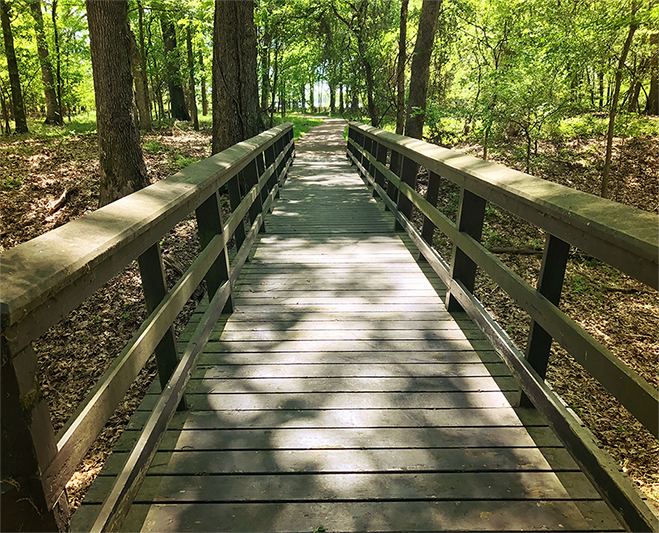
If you’re wanting a peaceful retreat into nature this winter, Lufkin’s Azalea Trail offers the perfect escape. At just 1.9 miles long, the trail winds through the heart of East Texas, running from Grace Dunne Richardson Park to Kiwanis Park. Whether you’re out for a quiet walk or a leisurely bike ride, this trail invites you to slow down, enjoy the sights, and savor the calm of the winter season.

A Relaxing Path Through East Texas

The Azalea Trail offers an easy-to-follow route with both asphalt and packed dirt surfaces, making it accessible to hikers and cyclists alike. As you stroll along, you’ll find that there are plenty of benches where you can pause and take in the surrounding nature as you take a quick break. There’s something special about taking a moment to sit quietly, breathing in the fresh air and listening to the sounds of the woods. Whether you’re walking solo or with friends, the trail creates the perfect atmosphere to connect with the outdoors.

As you make your way from Grace Dunne Richardson Park to Kiwanis Park, you’ll notice that the trail is thoughtfully designed to fit into the natural landscape. With its gentle curves and well-maintained path, it’s a space that encourages you to step away from the hustle and bustle of everyday life. The winter months provide a unique way to appreciate the quiet beauty of the trail, with the landscape changing in subtle ways as the seasons shift.

Native Beauty and Quiet Gardens

One of the joys of walking the Azalea Trail is the chance to enjoy the native plants that line the path. The City of Lufkin’s Parks and Recreation Department has thoughtfully planted and maintained several small gardens of azaleas and ornamental grasses along the trail, adding vibrant splashes of color even during the winter. While many plants are dormant this time of year, there’s still a serene beauty in the bare branches and quiet earth, reminding us of nature’s cycles.

For those who appreciate the little details, the trail offers plenty of moments to stop and admire the native flora. The azaleas, which bloom in the spring, stand ready to burst into color when the weather warms up, and the ornamental grasses add texture and movement to the landscape. Even in winter, the trail is a great place to slow down and enjoy the simple beauty of East Texas.

A Birdwatcher’s Paradise

The Azalea Trail is a hidden gem for birdwatchers, offering plenty of opportunities to spot a wide variety of birds. Throughout the year, the trail attracts both resident species and migratory birds. In winter, you’ll find sparrows like Chipping, Lincoln’s, and White-throated Sparrows. Spring and fall bring even more excitement, as many species of warblers and other migratory birds pass through, making it the perfect time to grab your binoculars and see what you can spot.

The trail is also home to a number of resident birds. Look out for the calls of Barred Owls, the drumming of Red-bellied Woodpeckers, and the soft flutter of Eastern Wood-Pewees. You may even get lucky and catch a glimpse of a Great Crested Flycatcher or a Summer Tanager. Whether you’re a seasoned birder or just starting to learn about local species, the Azalea Trail offers a welcoming place to enjoy East Texas’ diverse birdlife.

Wildlife and Natural Wonders

Beyond the birds, the Azalea Trail is teeming with wildlife. As you walk along, keep an eye out for rabbits hopping through the underbrush or squirrels darting across the path. Foxes and raccoons are often seen wandering through the woods, adding to the sense of living in harmony with nature. The trail’s surrounding habitats provide a safe space for local creatures to thrive, and it’s not uncommon to spot an armadillo rooting around in the dirt or a lizard basking in the sun.

The creek that runs parallel to the trail also draws wildlife. Turtles can often be seen basking in the sun, while brightly colored butterflies flit through the air. If you’re lucky, you may catch sight of a green anole or other lizard species, adding a splash of color to the landscape. The trail offers a beautiful reminder that no matter the season, nature is always alive with activity, even in the quietest of places.

Convenient Location for a Day Out

Located in the heart of Lufkin, the Azalea Trail is easy to access, whether you’re a local or just passing through. You can enter the trail at either Grace Dunne Richardson Park, off Loop 287, or Kiwanis Park, located on Timberland Drive. Both starting points offer convenient parking, making it easy to hop on the trail and start your hike.

After your walk, you’re just a short distance from some of Lufkin’s shopping destinations, like the Angelina Mall and Lufkin Mall. It’s the perfect place to stop and grab a bite to eat or browse a local store, making it a great outing for a day of relaxation and exploration.


The Azalea Trail is a quiet sanctuary that invites you to experience the beauty of East Texas at a slower pace. Whether you’re soaking in the winter scenery, enjoying a birdwatching adventure, or simply taking in the sights and sounds of the trail, it’s a place where nature and peace come together. So, lace up your shoes, pack a light jacket, and take a winter stroll through Lufkin’s hidden gem.

Don’t forget, safety is important. Hop on over to our article about winter hiking in the piney woods area to really prepare to go on a nice and safe hike.

My Five Cents… A Weekly Column from Sen. Robert Nichols

This week session began! It will be an exciting and fast-paced 140 days. We will do our best to keep East Texans informed about the goings on in Austin. 

Here are five things happening around your state:  

  1. 89th Legislative Session begins

On January 14, 2025, the 89th Regular Session of the Texas Legislature began at noon. On the Senate side, members who successfully won in the general election were sworn in. There are three brand new members of the Senate: Senators Molly Cook, Adam Hinojosa, and Brent Hagenbuch. I look forward to getting to know my new colleagues and working with them on their priorities this session. In the House, all 150 members were sworn in on Tuesday, including 31 freshman members. Then, House members had to vote for the Speaker of the House. Representative Dustin Burrows won the Speaker election on the second ballot. Congratulations to Speaker Burrows, I look forwarding to working with him and all of our partners in the House this session. 

Here are some important dates to know as we move through the session:

  • Friday, March 14, 2025 – 60th day; deadline for the unrestricted filing of bills and joint resolutions, other than local bills, emergency appropriations, and emergency matters submitted by the governor. 
  • Monday, June 2, 2025 – 140th day; last day of the 89th Regular Session, also known as Sine Die (Latin for “without days”).  
  1. Comptroller releases Biennial Revenue Estimate

Comptroller Glenn Hegar released the Biennial Revenue Estimate (BRE) which he does before every regular legislative session. It projects the revenue that lawmakers have available to spend through the upcoming biennium. Because the Legislature meets every other year, lawmakers create budgets on a two year, or biennial, basis. The 89th Legislature will have a surplus from the 2024-2025 biennium of $23.76 billion. For the upcoming 2026-2027 biennium, the Comptroller estimates the Legislature will have $194.6 billion in total revenue available for general purpose spending. However, several years ago a constitutional amendment passed to limit the state’s spending to ensure fiscal responsibility. The Legislative Budget Board determines the constitutional tax spending limits before each session. That formula is a combination of the rate of growth of the Texas economy, the growth in population, and the level of appropriations from the previous biennium. This year, the LBB announced the amount of appropriation that can be made without a special concurrent resolution is just under $147 billion. 

  1. New laws in effect on January 1

Though most bills passed in the 88th Legislative Session went into effect in September 2023, a few had effective dates on January 1, 2025. Here are a few that went into effect this month: 

  • House Bill 3297 – Authored by Representative Cody Harris, this bill eliminates the requirement for annual vehicle inspections for personal vehicles. However, some counties have adopted vehicle emissions standards and will require vehicles registered in those counties to undergo an emissions inspection. 
  • House Bill 4 – This bill enhancing Texas consumer data protections and allow online users to have control over opting out of certain advertisements, business profiling, and digital sales. 
  • Senate Bill 2 – A section of this bill goes into effect this month. The section makes property tax compression and homestead exemption benefits permanent for elderly and disabled homeowners. 
  1. Changes to Social Security may allow expanded pool to receive benefits

This month, President Biden signed the Social Security Fairness Act into law. The bill eliminates the reduction of Social Security benefits for certain populations, including some Teacher Retirement System (TRS) retirees. Two provisions were repealed: the Windfall Elimination Provision (WEP) reduced benefits for individuals who also received a pension or disability benefit from an employer that did not withhold Social Security taxes (like many Texas school districts) and the Government Pension Offset (GPO) which reduced benefits for spouses, widows, and widowers who also received government pensions of their own. This will benefit TRS retirees who were subject to these reductions. Monthly benefits will increase on average by $360 per month and impact 2.8 million recipients nationwide. 

  1. New leadership at Texas Department of Public Safety

Toward the end of the last year, a new director of the Texas Department of Public Safety was sworn in by Gov. Abbott. Director Freeman Martin began at DPS as a highway patrolman in 1990 and has held various law enforcement positions since then, including becoming a Texas Ranger and serving as a deputy director of DPS since 2018. He takes over for Director Steve McCraw, who led the agency for 15 years and announced his retirement in August. 

Winter Hiking in the Piney Woods: Your Guide to Safe and Enjoyable Cold-Weather Adventures

While East Texas might not see the extreme winters of more northern states, our cool winter months offer a unique opportunity to experience the Piney Woods in a whole new way. With fewer insects, reduced humidity, and clearer views through the leafless trees, winter hiking can be an incredible experience. That means we can keep our new year’s resolution to stay healthy without much trouble. However, it does require some special preparation and considerations. Here’s what you need to know to stay safe and comfortable on your winter hiking adventures.

Essential Safety Tips for Winter Hiking

  1. Always Check the Weather Before You Go Don’t let our typically mild winters fool you – East Texas weather can change quickly, especially during the winter months. Before heading out, check the detailed forecast for your specific hiking location, not just the general regional forecast. Pay special attention to wind chill factors and precipitation chances. If temperatures are expected to drop significantly or severe weather is possible, consider rescheduling your hike. Remember that weather conditions can be different in forested areas than in nearby towns, often feeling several degrees cooler under the pine canopy.
  2. Tell Someone Your Plans This tip is crucial for any hiking trip but becomes even more important during winter months when trails see fewer visitors. Before heading out, tell a reliable friend or family member exactly where you plan to hike and when you expect to return. Share the name of the trail, your planned route, and your parking location. Set a check-in time and agree on what steps they should take if they don’t hear from you. Many of our local trails have spotty cell service, so don’t rely solely on your phone for safety.
  3. Start Early and Plan for Shorter Days Winter days are significantly shorter, with darkness falling as early as 5:30 PM. Plan to start your hike early in the day to ensure you’ll finish well before dusk. A good rule of thumb is to turn around when you’ve used up half your available daylight, even if you haven’t reached your intended destination. Remember that hiking typically takes longer in winter due to cooler temperatures and potentially muddy or slippery conditions.
  4. Stay Hydrated and Energized It’s easy to forget about hydration in cooler weather, but winter hiking can be just as dehydrating as summer activities. The dry winter air and physical exertion mean you’ll need plenty of water. Pack at least 2-3 liters of water for a moderate day hike, and don’t wait until you’re thirsty to drink. Bring high-energy snacks like trail mix, energy bars, or dried fruit to maintain your energy levels. Cold weather causes your body to burn more calories, so pack more food than you think you’ll need.
  5. Know Your Route and Limits Winter isn’t the time to explore unmarked trails or push your hiking abilities to their limits. Stick to well-marked trails and bring a physical map – don’t rely solely on electronic devices which can fail in cold weather. Be honest about your fitness level and experience, and choose appropriate trails. If you’re new to winter hiking, start with shorter, well-traveled paths like those at Mission Tejas State Park or the easier loops at Davy Crockett National Forest.

Essential Gear for Winter Hiking

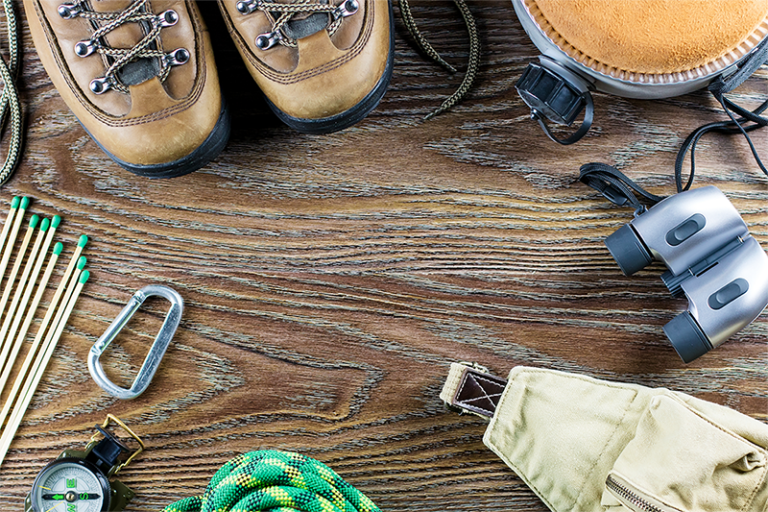
The right gear can make the difference between an enjoyable winter hike and a miserable (or dangerous) experience. Here’s what you need:

Base Layer:

  • Moisture-wicking long underwear (avoid cotton, which stays wet and cold)
  • Lightweight, long-sleeve shirt made of synthetic material or wool
  • Hiking socks (wool or synthetic blend)

Insulating Layer:

  • Fleece jacket or wool sweater
  • Warm hiking pants (convertible pants work well for variable temperatures)
  • Extra pair of socks in your backpack

Outer Layer:

  • Water-resistant jacket or windbreaker
  • Hat or beanie
  • Light gloves
  • Sturdy, water-resistant hiking boots

Essential Equipment:

  • Backpack with room for extra layers
  • First-aid kit
  • Flashlight or headlamp with fresh batteries
  • Trail map and compass
  • Fire starter and emergency shelter (small tarp or emergency blanket)
  • Plenty of water and high-energy snacks
  • Trekking poles (optional but helpful on slippery terrain)

Remember, our East Texas winters might be mild compared to other regions, but proper preparation is still essential. Temperatures in the Piney Woods can dip into the 30s or lower, and the humidity can make it feel even colder. The good news is that with the right preparation and gear, winter hiking can be one of the most rewarding ways to experience our beautiful East Texas forests.

Whether you’re planning a short nature walk or a full-day hiking adventure, following these safety tips and carrying the right gear will help ensure your winter hiking experience is safe and enjoyable. Happy trails!

The Hidden Costs of Outdated IT Infrastructure: A Wake-Up Call for Texas Forest Country Businesses

0

In the fast-evolving world of technology, businesses in Texas Forest Country face a unique set of challenges. While many focus on day-to-day operations, a critical aspect often gets overlooked: the state of their IT infrastructure. Outdated systems, though seemingly functional, can quietly undermine efficiency, security, and growth, resulting in significant hidden costs.

The Price of Falling Behind

1. Productivity Pitfalls

Old systems can grind business operations to a halt with slow performance, frequent crashes, and compatibility issues. Employees waste valuable time troubleshooting, resulting in reduced productivity and lower morale. Modern IT systems eliminate these barriers, allowing teams to focus on their work rather than battling outdated technology.

2. Skyrocketing Maintenance Costs

Aging infrastructure requires constant upkeep, from patching software to replacing obsolete hardware. Over time, these recurring costs can exceed the expense of upgrading to newer systems. Proactively modernizing IT infrastructure offers a more cost-effective, sustainable solution.

3. Rising Cybersecurity Threats

Cybercriminals thrive on exploiting vulnerabilities in outdated systems. Businesses relying on legacy software often lack critical security updates, making them easy targets for data breaches and ransomware attacks. Upgraded systems provide robust defenses to protect sensitive information and customer trust.

4. Scalability Stalls

As businesses grow, their IT systems must evolve to support increased demands. Outdated infrastructure creates bottlenecks, preventing seamless scalability and stifling potential growth. Forward-thinking companies invest in scalable solutions to future-proof their operations.

5. Missed Opportunities for Innovation

Outdated IT systems hinder a business’s ability to adopt emerging technologies such as cloud computing, automation, and advanced data analytics. These tools are no longer optional; they’re essential for staying competitive in a rapidly changing market.

When to Take Action

Key indicators that a business’s IT infrastructure needs attention include frequent downtime, escalating repair costs, and increased vulnerability to cyber threats. Regular assessments can help identify issues early, allowing businesses to make strategic upgrades that save money and improve performance.

A Brighter Future for Texas Forest Country

Modernizing IT infrastructure is not just a matter of convenience—it’s a necessity for local businesses aiming to thrive. By upgrading systems, businesses in Texas Forest Country can unlock greater efficiency, enhance security, and embrace innovation to remain competitive on both regional and global stages.