


Home Blog Page 201

DPS Increases Enforcement for July Fourth Holiday

0

AUSTIN – The Texas Department of Public Safety (DPS) Texas Highway Patrol is stepping up enforcement efforts this July Fourth holiday aiming to keep people safe as they celebrate America’s Independence Day.

“We know people will be out celebrating our nation’s freedom and we encourage everyone to do it in a responsible way,” said DPS Director Steven McCraw. “Please be mindful of our state’s traffic laws, be courteous of other drivers on the roads, and make safety your first priority so everyone can have a good holiday.”

Operation CARE (Crash Awareness Reduction Effort) will run July 3 and July 4 and focuses on reducing crashes and violations of the state’s Move Over, Slow Down law, which requires all drivers to slow down when police, fire, EMS, Texas Department of Transportation (TxDOT) vehicles and tow trucks are stopped on the side of the road with their emergency lights activated.

DPS offers the following safety tips for people driving during the Fourth of July holiday:

  • Don’t drink and drive. Make alternate plans if you are consuming alcohol.
  • Move Over or Slow Down for police, fire, EMS, TxDOT vehicles and tow trucks stopped on the side of the road with emergency lights activated.
  • Buckle up everyone in the vehicle — it’s the law.
  • Slow down, especially in bad weather, heavy traffic, unfamiliar areas, or construction zones.
  • Eliminate distractions while driving, including the use of mobile devices. Texas law prohibits the use of portable wireless devices to read, write or send an electronic message unless the vehicle is stopped. If you’re using a navigation device or app, have a passenger operate it so you can keep your eyes on the road.
  • Drive defensively, as holiday travel can present additional challenges.
  • On multi-lane roads, use the left lane for passing only. Not only is it courteous driving and avoids impeding traffic, but Texas law also requires slower traffic to keep to the right and to use the left lane for passing only (when posted).
  • Don’t cut in front of large trucks, and try not to brake quickly in front of them. They can’t maneuver as easily as passenger vehicles and pickup trucks.
  • If you can Steer It, Clear It: If you are involved in a non-injury crash and your vehicle can be moved, clear the traffic lanes to minimize traffic impact. Leaving vehicles in a traffic lane increases traffic congestion and leaves those involved with an increased risk of harm or a secondary wreck. On some highways, if you don’t move your vehicle when it’s safe to do so, it’s against the law.
  • Keep the Texas Roadside Assistance number stored in your phone. Dial 1-800-525-5555 for any type of assistance. The number can also be found on the back of a Texas Driver’s License.
  • Check your vehicle to make sure it is properly maintained and always ensure your cargo is secure.
  • Report road hazards or anything suspicious to the nearest law enforcement agency.
  • Monitor weather and road conditions wherever you are traveling. For road conditions and closures in Texas, visit Drive Texas.

Freedom Fest 2023 (Nacogdoches County)

0
Come and Celebrate the 4th of July with friends, family, and the Nacogdoches community!
5:00 pm festivities begin.
The firework show begins at Dusk! (When it’s Dark)
Many games, contests, food trucks, and more will be in attendance!
Location
Festival Park. Nacogdoches, Tx

Soil Solarization

0

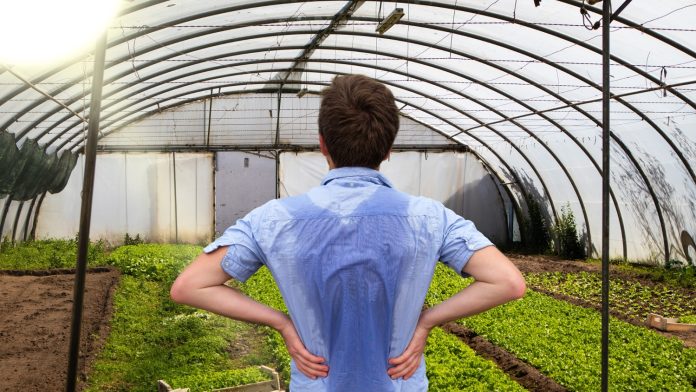
Wouldn’t it be great if our brutal summer heat could make a better vegetable garden? Even more so, what if the oppressive heat could make gardening easier?

It can, with a seldom practiced trick called soil solarization.

Soil solarization is a simple, safe, and effective control of plant parasitic nematodes, soil-borne plant pathogens, and some weed pests.  It offers an alternative to some pesticides and the lengthy crop rotations now needed to control many damaging pathogens that linger in the soil. In addition, this procedure may give reasonable weed control in many situations.

Radiant heat from the sun is the lethal agent involved in soil solarization. A clear polyethylene mulch is used to trap solar heat in the soil. Over a period of several weeks to a few months, soil temperatures become high enough to kill many of the damaging soil pests and weed seed to a depth of nearly 8 inches.

None of these pests will be completely eradicated from the treated area. Still, their numbers in the plow layer (the top 6 to 8 inches) will be significantly reduced, allowing the successful production of a vegetable garden.

Just how hot can it get? Results from studies in 2011 and 2012 indicate that when the ambient air temperature reached 99 degrees F, the solarized soil reached over 170 F. That’s hot enough to cook chicken.

To be clear, none of these pests will be completely eradicated from the treated area, but their numbers in the top layer (say 6 to 8 inches) will be significantly reduced, allowing fewer problems in following crops.

The soil to be solarized must be worked up to seed-bed condition, and cultivated until it’s loose and friable with no large clods or other debris on the soil surface. A garden tiller will eliminate clods or other debris that create air pockets that reduce the heating of the soil and keep the tarp from fitting tightly over the soil surface. A clean, flat surface will also prevent the accidental puncturing of the thin plastic drop cloth by debris.

Ensure moisture levels are adequate for working the soil before laying the plastic tarp. If the soil is dry, water the areas to be solarized before laying the tarp.  This is crucial because most soil pests are more sensitive to high temperatures in wet soil than in dry soil. When possible, lay a soaker hose or drip irrigation lines under the tarp to maintain moisture levels during soil solarization. Tarped raised beds may also be watered by flood-irrigating the adjacent furrows.

You can use any cheap plastic painting “drop cloth”.  Using two layers of thin plastic sheeting separated by a thin insulating layer of air increases soil temperatures and the overall effectiveness of a solarization treatment. The edges of the sheets must be buried or otherwise secured to prevent blowing or tearing of the tarp by the wind.

For effective solarization, the edges of tarps laid over raised beds must be buried in the adjoining furrows. Expect some increase in pest and weed problems along the edge of the stripped mulches. Do not cultivate solarized areas, because healthy weed seeds will be brought to the soil surface.

Long, hot, sunny days are needed to reach the soil temperatures required to kill soil-borne pests and weed seeds. The longer the soil is heated, the better and deeper the control of all soil pests and weeds will be. During our hot summers, a solarization period of 4 to 6 weeks should be all that’s needed to control nematodes and soil-borne plant pathogens.

For those concerned about losing beneficial microbes, indeed you will lose them in addition to your unwanted pathogens. However, populations of beneficial, growth-promoting, and pathogen-antagonistic bacteria and fungi quickly recolonize solarized soil with the addition of compost or adding a biological control component to the soil.

Soil solarization will tie up land for a period of 1 to 3 months. If you have plans for a fall garden, this can definitely interfere.  But the results of letting our hot summer work for you can be fantastic.

Freedom Sunday (Tyler County)

0

Dinner & Service start at 6:30 and Fireworks start at Dark.

Sunday, July 09, 06:30 PM-09:00 PM

Freedom Sunday will be celebrated this year on Sunday, July 9th beginning at 6:00 with a Star-Spangled Meal, Patriotic Music, a special salute to our Veterans, and words of Hope and Faith for our Great Nation. Children’s games will begin outside at 7:30 with our annual Fire Works Show to blast off as the sun sets. We need donations of canned drinks and water that you can leave outside the church on the porch beginning this Sunday!

My five cents… A monthly column from Sen. Robert Nichols

0

Next week, the nation will celebrate Independence Day. The Fourth of July commemorates the ratification of the Declaration of Independence in 1776, establishing the United States of America. Our Founding Fathers made history by declaring our independence from Britain 247 years ago and establishing this great nation. Happy Fourth of July!

Here are five things happening around your state:

  1. Grand opening of improved Rusk State Hospital

This month, I was thrilled to attend the grand opening of the new $200 million patient complex and administration building at Rusk State Hospital. I have worked on this project with other members of the Legislature and the Lt. Governor since 2015. The Rusk State Hospital improvement project opened the door for the improvement of all the state’s state hospitals, which is ongoing. The state has committed $3.2 billion since 2017 for the replacement, renovation, or expansion of state hospitals in Austin, Kerrville, Rusk, San Antonio, Houston, and Dallas. The new Rusk State Hospital includes 100-bed non-maximum-security unit and an expanded 100-bed maximum-security unit. It also has single-person rooms, natural light, outdoor spaces, and a variety of therapeutic, recreational, and social experiences for patients to prepare for life outside the hospital. Mental health care is essential for many Texans, and it is imperative that the state continues to support and expand access to services statewide.

  1. Governor calls first, and second special sessions on property tax relief

As the last day of the 88th regular session came to a close, Governor Abbott called the First Called Special Session of the 88th Legislature. Property tax relief and border security were the only two items on the special session call, therefore the only things the Legislature could address. However, the House and the Senate could not come to an agreement on either issue. On the last day of the first special session, the Governor called the Legislature back into a second special session. The Second Called Special Session of the 88th Legislature will have a singular focus – property tax relief. Currently, there is disagreement over whether to put the entirety of the almost $18 billion toward lowering school district property tax rates or to allocate part of that relief to increasing the homestead exemption to $100,000. Increasing the homestead exemption would create an ongoing benefit for homeowners while compressing school district taxes would have to include continuing to increase funding from the state for school districts to maintain the benefit.

  1. TEA meets federal special education requirements, ending federal oversight

This month, the US Department of Education sent a letter announcing that the Texas Education Agency has fulfilled all the needed requirements to comply with federal special education law. The Department’s Special Education Program’s office will remove special conditions it had placed on TEA. The federal oversight began in 2018 when the Education Department informed the state it was out of compliance with special education standards, specifically when evaluating students for special education services. Over the past several years, TEA and the Education Department have worked to ensure students needing special education services were identified and given access to those services.

  1. Texas to receive $3.3 billion in federal broadband funding

This week, the federal government announced over $40 billion for broadband expansion will be distributed nationwide. Texas will receive $3.3 billion of that funding, more than any other state and more than $1 billion more than the next largest share of funding. The funds are aimed at providing high-speed internet access to the nearly 2.8 million households without access in Texas. According to the Texas Broadband Development Office, 85 percent of Texans who lack high-speed internet live in rural communities. Broadband access is a necessity in an increasingly digital landscape. Health care, education, and business are all routinely conducted online or supplemented online. Without access to high-speed internet, rural Texans are left behind in an increasing digital divide. Continued investment in the expansion of internet availability statewide is necessary to ensure rural areas receive access to broadband.

  1. Texas ranks number one for Best Business Climate

In yet another survey, Texas is named number one – this time for Best Business Climate. Business Facilities magazine’s 19th annual ranking report focused on over 60 factors that site selection teams use during corporate relocations or expansion projects. Last year, Texas attracted more than 1,000 projects, more than double the second-highest state, according to the magazine. Texas was rewarded for the amount of capital investment in the state, job creation, diversity of industries, infrastructure, and its business-friendly regulatory and tax climate.


AC Police Academy Graduates 15 New LEO Officers

0

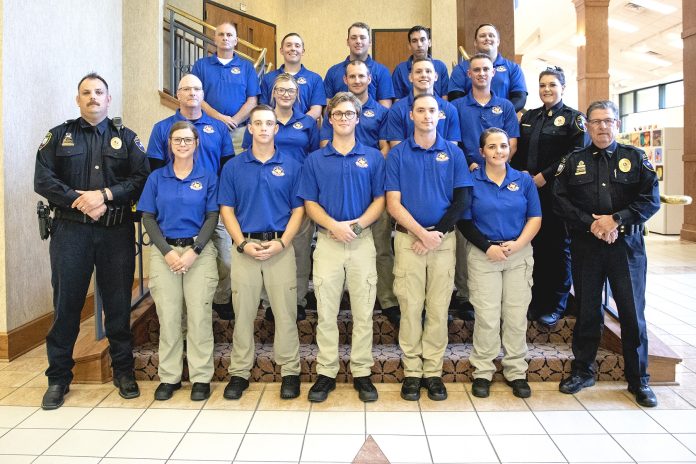
A total of 15 new law enforcement candidates received their certificates and other recognition during the Angelina College Law Enforcement Academy graduation ceremony held recently at Temple Theater on the AC campus.

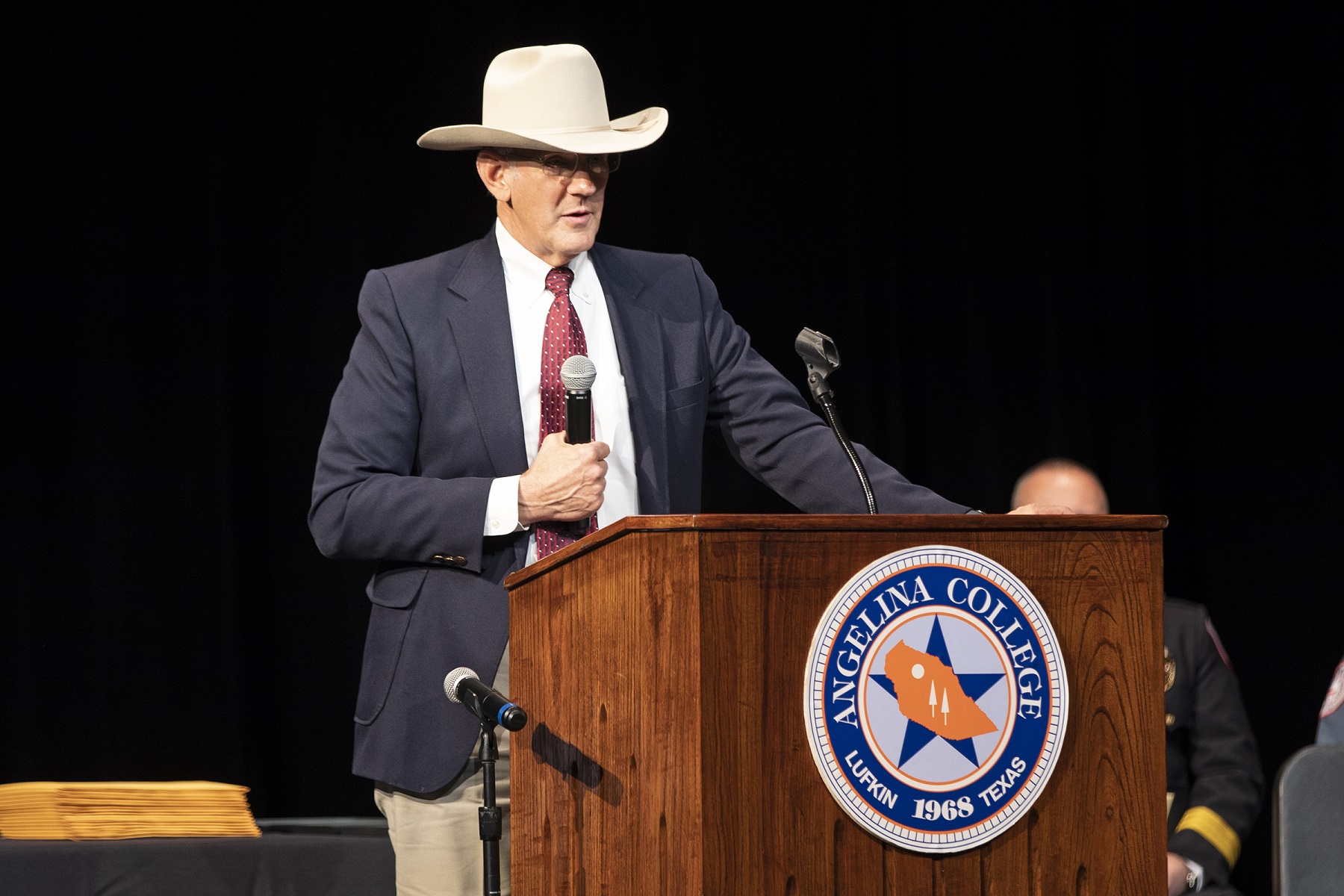
Class 113, helping to celebrate the academy’s 30th year in existence, heard advice and words of encouragement from Angelina County Sheriff Tom Selman, an Angelina College alumnus.

“I remember 45 years ago sitting where you are, and that was an exciting day for me,” Selman said. “I promise you, you’re entering a field that will provide you a rewarding career. There’s nothing like being able to help people and make a difference in your community.

“It’s very important that we have people who are willing to step forward to take leadership roles in our communities, and I consider every officer, every person behind the thin blue line as a leader in the community. You are sacrificing yourself for others, and there’s no higher calling.”

Class valedictorian Jonathan Tiner reminded his classmates that the strides made in learning should continue long after the end of the ceremony.

“While it’s a feat for us to make it to graduation and pass the (state) exam, our training should never cease,” Tiner said. “Our goal every day should be to improve ourselves. If we’re not getting better, we’re just getting worse.”

AC Police Chief Doug Conn reminded the new officers of what they’d learned in all their coursework, especially the professionalism and ethics portion.

“There were a lot of discussions in that part of the course regarding doing the right thing, even when no one’s looking,” Conn said. “That’s what we’re going to expect of you.”

Along with valedictorian Tiner,  Mason Snelson earned the Top Gun Award, while Kyle Michels received the Academy’s Driving Award.

Following is the list of graduating cadets, along with their home towns of record:

Jesse Adams (Nacogdoches), Joseph Atwell (Crockett), Mykaela Daniels (Livingston), Jamee Davis (Chester), Andruw Mitchell (Palestine), Kyle Michels (Oshkosh, WI), Michael Molnes (Crockett), Caleb Newsome (Lufkin), Mason Snelson (Lufkin), Dylan Henson (Chireno), Krista Hollingshead (Shepherd), Trent Jones (Livingston), Daniel Coons (Jasper), Hayden Duren (Crockett) and Jonathan Tiner (Silsbee).

Angelina College was issued a license to operate a police academy in 12 East Texas counties in September of 1993 by the Texas Commission on Law Enforcement (TCOLE). The academy offers basic and in-service training courses at sites throughout Deep East Texas with the assistance of an advisory board, which assists in directing the academy.

Academy staff members include Doug Conn, Chief of Police; Lt. Jack Stephenson, Training Manager; Officer Ashley Jowell, Training Manager; and Kim Capps, Administrative Assistant.

For information on the AC Police Academy, email policeacademy@angelina.edu.

DETCOG’s Area Agency on Aging Holding Medicare/Social Security Seminar

0

Lufkin, Texas – Area Agency on Aging of Deep East Texas Council of Government will hold a Medicare/Social Security Seminar Thursday, July 13, 2023, at the Lufkin Convention Center, 601 North 2nd Street in Lufkin, Texas. The seminar is scheduled from 8:30 am to 3:00 pm.

The seminar’s theme is “Power in Community” and will feature experts on Medicare, Social Security, Adult Protective Services, and a lawyer from Lone Star Legal Aid.  The seminar is being sponsored by the Area Agency on Aging and the Aging Disability Resource Center; both are programs of the Deep East Texas Council of Governments.

In addition to the presentations, there will be tables with information and representatives from Lone Star Legal Aid, Crockett Resource Center for Independent Living, Southland Rehabilitation & Healthcare, Star Plus, Social Security, Area Agency on Agency, Adult Protective Services, and the Aging Disability Resource Center.

For more information on the Medicare/Social Security Seminar contact the Aging Disability Resource Center at (936) 634-2247.

Rodeo Kickoff Dance (Polk County)

0

Free family fun, music, dance, concession stand, vendors, and hometown goodness.

Date and Time

Friday, Jun 30, 2023
7:00 PM – 10:00 PM CDT
June 30, 2023, 7-10 p.m.

Location

Barney Wiggins Arena, Livingston, Texas

Fees/Admission

FREE

Contact Information

Polk County Youth Rodeo Association
Send Email

Work Scheduled in Lufkin Next Week

0

LUFKIN – Work scheduled next week in Lufkin will have motorists looking for alternate routes.

Crews will begin mill and inlay operations on the northbound access road between FM 841/Ford Chapel Road to FM 325/East Lufkin Avenue directly in front of Lufkin High School and a nearby truck stop. Also scheduled for mill and inlay is BU 69/Denman Avenue between Timberland Drive and SL 287.

Motorists should be aware and alert of moving equipment and workers. Expect lane closures and delays or choose alternate routes during work hours.

Reduce speed near a work zone and stay alert for crews working near travel lanes. Obey all traffic control and do not cross through this moving work zone. Remember traffic fines double when workers are present.

For more information, contact Rhonda.Oaks@txdot.gov or call (936) 633-4395.

Sweet Potatoes Take Well to Hot Summer Days

0

A couple of recent questions that I haven’t heard in some time are “How do I grow sweet potatoes in my garden?” and “Where do I buy sweet potato slips?”

Sweet potatoes are a nutritionally dense and wonderful summer annual crop that we can grow quite well here in east Texas.  Just a bit to the north of us is a great deal of commercial sweet potato production.  My first job as an Extension Agent was in Canton, Texas (Van Zandt County) and there were a good many sweet potato growers located there.

Sweet potatoes can do quite well in our climate. Hot days and warm nights are ideal for sweet potato production. They must be planted in well-drained, fine sandy loam soil with a slightly acidic pH of 5 to 7.5. This allows the sweet potato to grow easily but not remain in poorly drained soil that encourages rot and disease.

Depending on the variety, sweet potatoes can be a 90-to-150-day crop. But it is the “slips” that often get folks tripped up.  Sweet potato slips are small, rooted pieces of the tuberous root. Slips are produced from the tubers of the previous season’s crop. Most gardeners prefer to plant slips bought from garden centers because they are most likely to be disease resistant.

To produce slips on your own, buy healthy, disease-free sweet potatoes from a local market. Scrub them clean and then lay them out in a pot or a metal tray with drainage and cover them about halfway with clean potting soil or seed-starting soil. The other method is to cut them in half and suspend each half over a jar of water by inserting toothpicks so that half is submerged in the water. Place the sweet potato somewhere so that it will get plenty of warmth and sunlight. Online research indicates that the soil-propagated slips grow much faster.

Planted from slips, the tuberous roots will be ready to harvest in 90 to 120 days.  For home gardeners, the best time to harvest sweet potatoes is immediately before or just after the first fall frost.

Since you may be starting late in the season, the variety that matures in the shorter range of 90 days is Centennial. What you are most likely to find is the more popular Beauregard variety that is ready in 105 days.

Let’s look closely at the calendar to see if you can plan out a possible crop. First, it will take you six weeks to grow slips. If you started in late June, then you would be ready to plant slips in early August. Planting slips in early August, 105 days later would put you right in the middle of November, which is our average first frost for Angelina County.

Is this possible? Maybe. I’d prefer that you order slips and get a 6-week jump on having a better chance at a crop this year. Planting slips now bump up your potential harvest time to October which gives you a much better window for production.

At harvest, be sure to dig deep and carefully.  The skins of the sweet potato are easily bruised.  Even dropping the potatoes into a harvest bucket will injure the skin.

Sweet potatoes can be prepared just like other potatoes: baked, French fried, grilled, or served with marshmallows on top!  But order your slips quickly if you want a chance at a harvest this year.