



Piney woods fine arts association auditions for The Little Mermaid.
10 am June 26th at the Crockett Civic Center
Date and Time
Monday, Jun 26, 2023
10:00 AM – 12:00 PM CDT
Location
Crockett Civic Center
1100 Edmiston Drive
Crockett, TX 75835

Piney woods fine arts association auditions for The Little Mermaid.
10 am June 26th at the Crockett Civic Center
Monday, Jun 26, 2023
10:00 AM – 12:00 PM CDT
Crockett Civic Center
1100 Edmiston Drive
Crockett, TX 75835
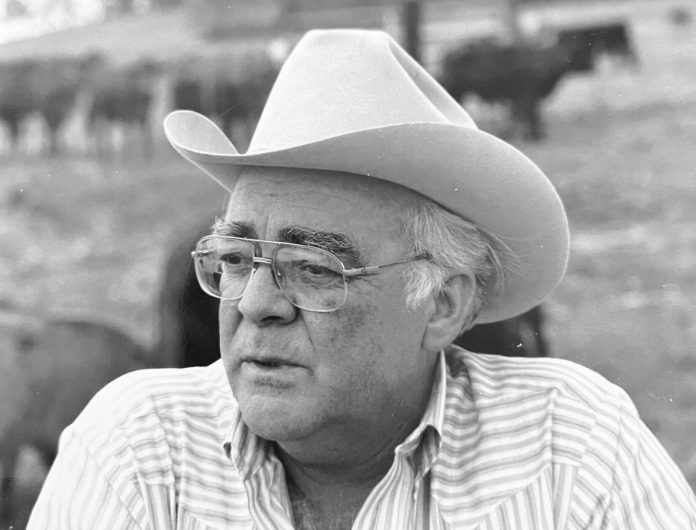
Horace McQueen to Receive East Texan of the Year Award
For more than 36 years, Horace McQueen was known as the voice of agriculture in Texas. During most of those years, thousands of East Texans started their day with him on his popular Farm and Ranch News on KTRE-TV in Lufkin and KLTV-TV in Tyler. Over the years he has won many awards, including the National Farm Broadcaster of the Year and the Man of the Year in Texas Agriculture.
On June 22, the Deep East Texas Council of Governments (DETCOG) will bestow another honor on McQueen — the prestigious Ralph W. Steen East Texan of the Year. The award will be presented during DETCOG’s Annual Membership and Awards Luncheon to be held Thursday at Noon at the Pitser Garrison Convention Center in Lufkin.
The Steen Award honors an individual who has played a major role in leadership and service to Deep East Texas. DETCOG President and Shelby County Judge Allison Harbison says Horace McQueen fits the bill perfectly.
“Agriculture is so important to our region and always has been,” she said. “It is very fitting that our East Texan of the Year is someone who has devoted his life to promoting agriculture, which is more than just a big part of our economy – it’s a way of life for many of our residents. We invite everyone to come to celebrate with us and honor Mr. McQueen and our other award recipients.”
This marks the 48th consecutive year DETCOG has presented the Ralph W. Steen East Texan of the Year Award. In 1976, Dr. Steen was retiring after 20 years as President of Stephen F. Austin State University. To honor his contributions to the region DETCOG presented the first East Texan of the Year Award to him and then decided to make it an annual presentation in his honor.
Other awards to be presented at the DETCOG annual meeting include the President’s Award which recognizes outstanding service on a DETCOG committee. The Key Contributor Award recognizes a staff member who has contributed greatly to the organization’s success. The Star Partner Award honors an employee or official in a state or federal agency. The DETCOG Employee of the Year and Program Director of the Year for 2022 will also be recognized at the event.
Luncheon tickets are $25 and reserved tables are also available. RSVPs are appreciated. Anyone needing information may contact Executive Assistant Lacy Sargent at the DETCOG office in Lufkin at (936) 634-2247 extension 5254.
DETCOG, organized in 1966, is a voluntary association of local governments in the 11-county region encompassing all of Angelina, Houston, Nacogdoches, Newton, Polk, Sabine, San Augustine, San Jacinto, Shelby, Trinity, and Tyler counties.
DETCOG was established in November of 1966 as an Economic Development District under the U.S. Department of Commerce Economic Development Administration. In 1968 the organization also became a political subdivision of the State of Texas as a Regional Planning Commission under state law. Current membership includes 11 counties, 34 cities, the Alabama-Coushatta Tribe of Texas, plus a number of other entities including school districts, river authorities, special purpose districts, and sustaining members.
“Above all, DETCOG is an organization of, by, and for the local governments of Deep East Texas,” said Executive Director Lonnie Hunt. “We exist to support our member governments and serve their residents.”

4th Annual State Championship Smoke in the Pines BBQ Cook-Off will be held on Friday & Saturday, June 23-24, 2023 at Pedigo Park, Livingston. Click ticket information to register your Cook Team and/or Kid’s Q Cooker; want a vendor booth, be in the Auto & Bike Show, or play in the Cornhole Tournament. For more info, contact the Chamber office (936.327.4929).
Friday, June 23, 2023
5:00 PM – 11:00 PM CDT
Friday & Saturday, June 23 – 24, 2023
Cook Teams setup on Friday
Cook-off begins at 5:00 pm
Pedigo Park, Livingston, Texas 77351
Please see the flyer for all the entry fees
John Clifton (936) 328-9864; Chamber office (936) 327-4929
Send Email
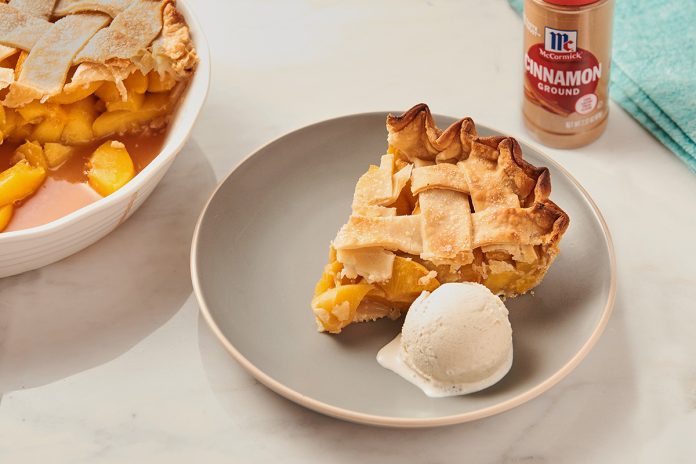
From the hearty and warm flavors of winter to the bold, rich and bright flavors of summer, herbs and spices are not only a delicious and better-for-you addition to any dish, they can transform it into unforgettable memories.
Summer is the perfect time of year to celebrate food, flavor and time with family or friends. As you prepare for all this season’s gatherings, remember to shop carefully, as freshness is essential when it comes to herbs and spices.
“Fresh flavors and aromas are strong triggers that ensure that experiences today are remembered tomorrow,” says Giovanna DiLegge, vice president marketing, North America Consumer at McCormick, a global leader in flavor.
That’s why for the first time in nearly 40 years, McCormick is debuting a brand new design for its red cap branded products that audibly seals in aromas and flavors, for long-lasting freshness of herbs and spices. And to help you make the most of summer, McCormick is sharing this recipe for Fresh Peach Pie, which incorporates rich and bright summer fruits, and a sweet note of cinnamon spice:
Ingredients:
• 3 pounds fresh peaches, peeled, pitted and sliced (about 7 cups)
• 1/2 cup plus 3 tablespoons sugar, divided
• 1 teaspoon lemon zest
• 1 tablespoon fresh lemon juice
• 1/4 teaspoon plus 1/8 teaspoon salt, divided
• 1 1/2 teaspoons McCormick Ground Cinnamon, divided
• 1 package (14.1 ounces) refrigerated pie crusts, (2 crusts)
• 3 tablespoons corn starch
• 1 tablespoon McCormick All Natural Pure Vanilla Extract
• 1 tablespoon water
Instructions:
1. Mix peaches, 1/2 cup of sugar, lemon zest and juice, and 1/4 teaspoon of salt in large heat-safe bowl until well blended. Let stand 30 minutes. Drain peaches, reserving 8 tablespoons of juice. Return peaches to bowl; sprinkle with 1/2 teaspoon of cinnamon. Set aside.
2. Meanwhile, prepare pie crust as directed on package. Roll each crust into 12-inch circles on lightly floured surface. Press 1 crust into bottom of 9-inch pie plate. Cut remaining crust into 10 strips, about 1-inch wide. Refrigerate pie plate with bottom crust and prepared strips until ready to assemble pie.
3. Preheat oven to 425 degrees F. Mix 2 tablespoons of remaining sugar, remaining 1/8 teaspoon salt, remaining 1 teaspoon cinnamon and corn starch in small bowl. Add 2 tablespoons of reserved peach juice to cornstarch mixture, whisking to mix well; set aside.
4. Place remaining 6 tablespoons peach juice in small saucepan. Bring to simmer on medium-low heat. Stir in vanilla. Whisk cornstarch slurry into saucepan. Cook and stir just until thickened and smooth, about 30 seconds. Remove from heat. Pour syrup mixture over peaches; toss to coat. Allow to cool slightly.
5. Spoon peach mixture into chilled pastry-lined pie plate. Arrange pie dough strips over top to create a lattice (see below for instructions). Trim dough strips about 1/2-inch longer than bottom pie crust. Fold strips underneath crust and pinch to adhere. Crimp or flute crust edges, as desired. Brush lattice with water and sprinkle evenly with remaining 1 tablespoon sugar. Place pie plate on large shallow baking pan.
6. Bake 25 minutes or until crust is lightly browned. Reduce heat to 375 degrees F. Rotate pan. Bake 30 to 35 minutes longer, until crust is golden brown and filling is bubbly. Cool on wire rack. Serve with vanilla ice cream, if desired.
How to weave a lattice top crust: Using longer strips for the center of pie and shorter strips for edges, arrange 5 pie dough strips vertically over top of filling, leaving about 1 inch of space between each strip. Fold back every other strip (2 and 4) to just above midline of pie. Place one of the longer strips across pie horizontally, just below the fold. Fold vertical strips back down over top of the horizontal strip. Fold back the opposite vertical strips (1, 3 and 5) and place another strip below the first horizontal strip, again leaving about 1 inch of space between them. Fold vertical strips back down over top. Repeat this process with one more strip below, and then 2 strips above first crosswise strip. Work quickly, as the warm filling may make the dough difficult to work with.
After 15 to 20 minutes of baking, cover edge of crust with foil strips to prevent excessive browning.

LUFKIN – A road closure is scheduled for TV Road for work that could last up to two months.
Crews are scheduled to begin Wednesday, weather permitting, on the roadway that intersects US 69 North in Pollok. Motorists needing to access TV Road will be expected to use the main entry gate at the Lufkin State Supported Living Center until work is completed.
Drewery Construction, Nacogdoches TX, will serve as contractor for the $511,628.00 project that will include resurfacing the roadway.
Motorists are urged to obey all traffic control and expect possible shoulder and intermittent northbound single-lane closures on US 69 at TV Road as work progresses. Reduce speed and stay alert for workers and moving equipment near the intersection of US 69.
For more information, contact Rhonda.Oaks@txdot.gov or call (936) 633-4395.

It seems that every rural or “nearly-rural” landowner wants their own farm pond for the kids to fish in, livestock to drink from, and just its natural beauty. Ponds certainly add beauty, function, and value to one’s property.
Keeping ponds healthy and useful is possible by following a good management program. Good management includes controlling excess vegetation, harvesting fish in appropriate numbers and sizes, and keeping ponds stocked at recommended rates.
If fishing is your main concern, stock only with fish from reliable fish hatcheries. This can greatly reduce some of the common problems that can occur naturally. Contact your favorite, local feed store and ask about the schedule and pricing for the fish hatchery that delivers at their store.
Fishing experiences can be enhanced by creating fish attractors, such as shelters, in strategic locations in ponds. The easiest option is to sink a fallen tree. Shelters provide spawning areas and harbor invertebrates and insects that small fish feed on. They also serve as areas where prey fish can hide from predators.
Estimating the number of fish in your pond is a difficult proposition. Unlike counting livestock in the pasture, you can’t see the fish. But a great way to estimate population density is to study the condition of fish caught. Thin, diseased fish or lots of small fish that never reach a desired size are good indicators of overpopulation.
What can you do to remedy an overpopulated pond is simply to go fishing more and, once caught, don’t throw them all back! If you have a seriously overpopulated pond, your best option may be to harvest so many fish that a fish fry for your family and neighbors is possible.
Water clarity is very important to many pond owners- – more so to landowners than the fish are concerned. Having a clear pond may be more visually appealing to the landowner, but fish, especially catfish, can get around just fine in muddy conditions.
To clear up muddy pond water, the simple solution is to add gypsum. The easiest way to do this is to buy 100 to 200 pounds at a time and add to the pond every week. Continue to do so until the water reaches a clear state.
Keep in mind that when you increase water clarity in your pond, you will have more vegetation in the pond as more sunlight reaches the bottom, encouraging the seeds of aquatic vegetation to sprout. Weeds are not your enemy. Some aquatic vegetation is beneficial and enhances the pond’s ecosystem. Too much vegetation can be unsightly and cause stress on the fish population.
Lastly, test your pH every few years. East Texas farm ponds can develop acidic water. The minimum pH for maximum fish production should be around 6.5. While correctable with the addition of ag lime, it is imperative that only ag lime be added so that the water can change slowly over time.
Never use pickling lime, pelletized lime, and other quick liming agents as it will kill fish in the rapidly changing water conditions. One way to make sure is to buy it in bulk and stay away from the bagged lime for use in your pond.
If you wish to learn more about farm pond management, the Angelina County office of the Texas A&M AgriLife Extension Service will host a farm pond management seminar this Tuesday, June 20 at 6:30 pm. There is no fee for the seminar. Call 936.634.6414 for more information.

Come enjoy a fun-filled weekend on Toledo Bend Lake from June 30-July 2! The three-day event will include a boat and motorcycle poker run, a patriotic boat parade, a car show, putt-putt golf, live music, and more! The Patriotic Weekend on Toledo Bend Reservoir in Sabine Parish, Louisiana, and Sabine County, Texas, is sure to be an exciting weekend you don’t want to miss! Get more info and register for the poker run now!
Proceeds benefit the Pink Sisters of Many, La, and The American Legion, VFW Aux Post 10351, Hemphill, Tx.
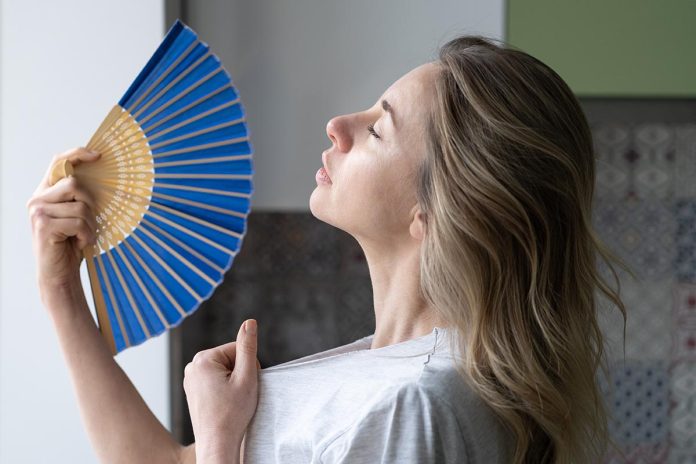
When summer hits the Texas Forest Country region, temperatures can soar to scorching levels, accompanied by high humidity that can make the air feel oppressive. Dealing with the intense heat and humidity is crucial to staying safe and healthy during these hot months. Here are some effective strategies and precautions to help you navigate the soaring temperatures and maintain your well-being in the face of extreme heat, with temperatures reaching 95 degrees with a heat index of 110 degrees!
Understanding Heat and Humidity
Before we delve into coping mechanisms, it’s important to understand the impact of heat and humidity on the body.
Temperature refers to the measurement of the air’s thermal energy and is typically reported in degrees Fahrenheit or Celsius. It indicates how hot or cold the air is. However, when it comes to assessing the actual impact of the weather on our bodies, the heat index provides a more accurate representation.
Heat index, also known as the “apparent temperature,” takes into account the combined effects of temperature and humidity. It measures how hot it feels to the human body by factoring in the body’s ability to cool itself through sweat evaporation. The heat index is influenced by the amount of moisture in the air, as higher humidity reduces the evaporation rate and makes it more difficult for the body to cool down efficiently.
Physiological Effects of Excessive Heat and Humidity:
Excessive heat and humidity put a strain on the body’s thermoregulatory system, which is responsible for maintaining a stable core temperature. The combination of high temperature and humidity inhibits the evaporation of sweat from the skin, which is the body’s primary cooling mechanism. As a result, the body’s internal temperature can rise rapidly, leading to a range of health issues.
When the body overheats, it can cause dehydration, electrolyte imbalances, and disruption of normal physiological processes. Excessive sweating can lead to a loss of essential fluids and electrolytes, which are vital for proper bodily function. Additionally, the strain on the cardiovascular system increases, as the heart works harder to circulate blood and dissipate heat.
The effects of excessive heat and humidity on the body can be particularly dangerous for vulnerable populations, such as the elderly, young children, pregnant women, and individuals with pre-existing medical conditions. It is crucial to take preventive measures, stay hydrated, and seek immediate medical attention if symptoms of heat-related illnesses arise.
Understanding the difference between temperature and heat index allows us to assess the true impact of weather conditions on our bodies. Excessive heat and humidity can lead to heat-related illnesses, including heat exhaustion and heatstroke, which can have severe consequences if not addressed promptly. Staying informed, taking preventive measures, and seeking medical attention when necessary are essential for protecting our well-being during periods of high heat and humidity.
Dressing for Success
Choosing the right clothing is essential to stay comfortable in high heat and humidity.
Selecting Breathable, Lightweight Fabrics:
Wear Hats, Sunglasses, and Sunscreen:
Remember, wearing appropriate clothing and accessories and protecting your skin and eyes from the sun’s harmful rays are essential for your comfort and long-term health during hot and sunny days.
Staying properly hydrated is crucial, especially in hot weather conditions with high heat and humidity. Adequate hydration helps maintain body temperature, supports vital organ functions, aids digestion, and ensures overall well-being. Here’s why it’s essential and practical tips for staying hydrated:
Practical Tips for Hydration:
Remember, hydrating isn’t limited to when you feel thirsty. In hot weather, you may need to drink fluids more frequently, even if you don’t feel parched. Prioritize regular hydration, listen to your body’s signals, and make it a part of your daily routine to stay adequately hydrated and maintain optimal health.
Planning Outdoor Activities Wisely
When temperatures are scorching, it’s important to plan outdoor activities strategically. We recommend avoiding strenuous activities during the hottest hours of the day and opting for early morning or evening outings when the temperatures are relatively cooler. Additionally, we suggest seeking shaded areas and utilizing cooling accessories like umbrellas or portable fans. Mowing the grass in the sun at 2pm in the afternoon is not always a good idea!
Beating the Heat Indoors
Creating a comfortable indoor environment is crucial to escape the relentless heat and humidity. Here are some suggestions for Effectively Cooling Your Home.
Energy-Saving Tips for Balancing Comfort and Electricity Usage:
By implementing these suggestions, you can effectively cool your home while managing energy consumption, striking a balance between comfort and electricity usage.
Recognizing and Responding to Heat-related Illnesses
Being able to identify the signs of heat-related illnesses is vital for prompt intervention.
Symptoms of Heat Exhaustion:
Symptoms of Heatstroke (a medical emergency):
Responding to a Heat-Related Emergency:
Remember, heat-related emergencies can be life-threatening. It’s important to respond promptly, take measures to cool the person down, and seek medical attention when necessary. If in doubt, always err on the side of caution and call for professional help.
Coping with extreme heat and humidity extends beyond physical measures; it also involves taking care of your mental and emotional well-being. Here are some relaxation techniques for alleviating stress and promoting calm:
Remember, regular practice is key to experiencing the full benefits of these relaxation techniques. Incorporate them into your daily routine, especially during challenging weather conditions, to promote a sense of calm and well-being.
Community Support and Resources
Texas Forest Country is a tight-knit community, and it’s essential to look out for one another during extreme weather events.
In East Texas, several local resources, cooling centers, and community programs are available to provide assistance during the hottest months of the year. Here are some examples:
Remember to check the availability and hours of these resources as they may vary depending on the specific location and community needs. It’s advisable to contact the respective organizations ahead of time to ensure they are operating as cooling centers and to inquire about any additional services they may offer during the hot summer months.
Surviving the sweltering summer in Texas Forest Country requires a combination of practical strategies, self-care, and community support. By understanding the effects of heat and humidity, dressing appropriately, staying hydrated, planning outdoor activities wisely, recognizing heat-related illnesses, and embracing self-care, you can navigate the soaring temperatures safely and maintain your well-being. Remember, staying cool, hydrated, and informed is the key to thriving in the face of extreme heat and humidity.

AUSTIN – The Texas Health and Human Services Commission today celebrated the grand opening of a new $200 million patient complex and administration building at Rusk State Hospital.
“The mental health of Texans remains a priority in Texas, which is why I made it an emergency item during the 2019 legislative session,” said Governor Greg Abbott. “Texas has allocated more than $25 billion to support and expand mental health services across our state since I’ve been Governor, and the grand opening of the newly renovated Rusk State Hospital will help provide more mental health services to patients in East Texas. This updated facility, which has a long history of serving the Rusk community, will ensure the hospital can continue to serve Texans for many years to come. I thank the Texas Health and Human Services Commission for their work with local and community partners to oversee the construction of this new state-of-the-art facility.”
Governor Abbott and the Texas Legislature approved approximately $200 million in funding for the state hospital’s construction since 2017.

“We’re excited to be able to offer our Rusk State Hospital patients care in a state-of-the art building that will help facilitate their recovery,” said Texas Health and Human Services Executive Commissioner Cecile Erwin Young. “Thank you to those who invested in our state hospitals so that we can give our patients the help they need.”
The three-story, 227,368 square-foot patient complex includes a 100-bed non-maximum-security unit and an expanded 100-bed maximum security unit. The 200-bed unit will increase the number of maximum-security unit beds from 40 to 100. The hospital’s overall capacity will stay the same.

At the new Rusk State Hospital, primary design features include single-person rooms, the use of natural light throughout patient rooms and common areas, and outdoor spaces to promote healing and recovery. The hospital offers a variety of therapeutic, recreational and social experiences to prepare patients for life outside the hospital. The 200-bed patient complex also includes a theater, music room, beauty salon, canteen, library, gym, greenhouse and teaching kitchen.
The new two-story administration building is 18,900 square feet and accommodates the administration department and IT staff. Construction on the building was completed in 2021.

Since 2017, Texas leaders have appropriated more than $3.2 billion in funding for the replacement, renovation, or expansion of state hospitals in Austin, Kerrville, Rusk, San Antonio, Houston and Dallas.
Operating since 1919, Rusk State Hospital offers inpatient adult psychiatric services to people in 36 counties throughout East Texas. The hospital serves approximately an average of 270 people annually.
For more information about state hospital construction projects throughout the state, visit the Changes to the State Hospital System page on the HHS website.

LUFKIN – Lufkin District leaders met Thursday for the 2023 hurricane preparation meeting in the Lufkin District office and set a plan in place should a hurricane impact the Lufkin District.
District supervisors and other leaders from the nine-county district met to discuss storm preparations, response, contra-flow lanes, evacuation routes and clean-up response which will include shift work, if necessary. Also discussed was clearing ditches and culverts, inspecting roadways and preparing equipment and trucks ahead of possible storms.
Also discussed was crew assignments in the event of a storm, and plans and preparations should the district be called upon to assist other impacted districts.
The National Oceanic and Atmospheric Administration (NOAA) has announced the 2023 hurricane season, from June 1 to Nov. 30, and has predicted a 40-percent chance of a near-normal season, a 30-percent chance of an above-normal season and a 30-percent chance of a below-normal season.
NOAA is forecasting 12 to 17 named storms, with one to four major hurricanes (categories 3, 4 and 5), with winds that could exceed 111 miles per hour or higher.
TxDOT takes every precaution to prepare for tropical weather ahead of a possible hurricane including assisting other districts with crews and equipment along the Texas Gulf Coast. In the event of evacuations, motorists will be directed through the Lufkin District through major evacuation routes that include US 59, which is also designated as a contra-flow highway, US 96, US 69 and US 259.
The public is urged to make a plan should a hurricane impact the Lufkin District. A personal safety plan includes knowing the nearest evacuation route, and gathering needed supplies in case of power outages at your home including batteries, food, water and fuel.
“Staying safe should be the number one priority for anyone, and we encourage the public to make a plan now, whether East Texans are called upon to evacuate, shelter in-place, prepare for the impact of flooding, or for evacuees who will travel through the area,” said Rhonda Oaks, public information officer. “The Lufkin District has a plan, and we are ready to respond should we see a major storm this hurricane season.”
Resources and information for staying safe and planning for a hurricane can be found at https://www.txdot.gov/safety/
For more information, contact Rhonda.Oaks@txdot.gov or call (936) 633-4395.

Texas Forest Country Living is a digital online magazine featuring the lifestyle and community of the Texas Forest Country region. The Counties include Angelina County, Nacogdoches County, Sabine County, Tyler County, Newton County, San Jacinto County, San Augustine County, Jasper County, Houston County, Shelby County, Trinity County and Polk County
Disclaimer: In compliance with FTC guidelines, we at Texas Forest Country Living want to disclose that some of the links and mentions on our website may be part of an influencer marketing campaign. This means that we may receive compensation, such as commissions or free products, when you make a purchase or engage with the linked content through those specific links or mentions. Please note that we only promote products or services that we genuinely believe in and that align with the values and interests of our audience. Our primary goal is to provide valuable and relevant information to our readers. However, it's important to understand that any purchasing decision you make after clicking on these links is entirely at your own discretion. We always strive to maintain transparency and integrity in our content. Rest assured that our opinions and reviews are based on our own experiences and thorough research, regardless of any potential compensation received. We prioritize delivering accurate and unbiased information to our readers, and any influence marketing partnerships will not compromise the quality or objectivity of our content. It is crucial to remember that individual results may vary, and we encourage you to conduct your own research and consider personal preferences and circumstances before making any purchasing decisions based on the information provided on our website. If you have any questions or concerns regarding our disclosure policy or our affiliation with any brand or product, please feel free to contact us. We are committed to maintaining open communication and ensuring our readers have a positive experience while engaging with our content. © 2026 TFCLiving/MSGPR. All Rights Reserved.