Home Blog Page 204

Traffic Switch Planned to New Roadway in Zavalla

0
Road work. Orange traffic cones in the middle of the street.

LUFKIN – A traffic switch is planned for next week, weather permitting, onto newly completed southbound lanes of US 69 in Zavalla.

Crews are currently working to complete the striping on the southbound side between Clay Plant Road and FM 1270 and will make the traffic shift once it is completed. During construction of the southbound lanes, motorists have utilized the northbound lanes for two-way traffic. Once traffic is shifted, both the southbound and northbound lanes will be fully opened to traffic.

“This is another successful phase of construction completed in this area that we are proud of,” said Rhonda Oaks, public information officer. “The enhanced safety of this newly constructed divided highway will also enhance US 69 as a major evacuation route in the event of major storms on the Gulf Coast.”

Drewery Construction, Nacogdoches TX, will serve as contractor for the $11.9 million construction project, which is one of three projects on US 69 near Zavalla that were designed to widen the two-lane roadway to a four-lane divided highway that included the construction of bridges and overpasses.

Motorists are urged to use caution and stay alert as this new traffic pattern is implemented. Obey all traffic control as this traffic switch is made.

For more information, contact Rhonda.Oaks@txdot.gov or call (936) 633-4395.

Clearing Up Muddy Pond Water

0

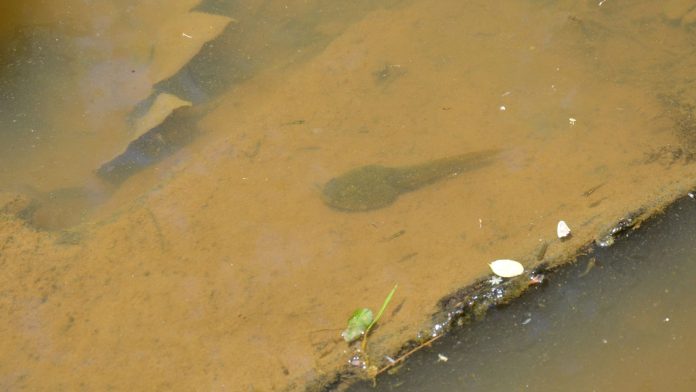
It’s a common complaint, “My farm pond is muddy, and we’d like to enjoy clearer water. Do you have a solution?” Indeed, we do, but it may either require habitat management or a bit of pond water chemistry.

Muddy water is often a problem in Texas farm ponds because it inhibits the growth of natural fish food and is simply not aesthetically pleasing. Additionally, the reduced visibility in ponds limits the feeding of sight-feeding predators such as largemouth bass.

If heavy rainfall causes your pond to get muddy, yet clears up in a few days, you may simply need to alter the habitat surrounding the runoff that empties into your pond. The first step is to inspect the watershed and shoreline for signs of erosion. Grass should be established upstream of the pond on any exposed, bare soil. In our area, it is hard to beat using common bahiagrass.  If you want more attractive grass, try using common Bermuda.  Both grass seeds can be found easily (for a reasonable cost) at your favorite local feed store.

If the erosion of soil into your pond by heavy rainfall is not the cause of muddy pond water, the root cause may be negatively charged clay particles. Much like when you couldn’t get the negative ends of two magnets to touch when you were a kid, the same charged soil particles don’t want to touch and therefore will not settle out of a pond. We can easily remedy this with the addition of positively charged particles that will bind with the oppositely charged soil and settle out.

Pond owners have a couple of options to help suspended soil settle: agricultural limestone, gypsum, and alum. Our East Texas ponds are typically a little on the acidic side of the pH scale, so I always recommend starting off with the addition of agricultural limestone. Liming a pond, just like liming a garden or hay meadow, raises the pH (reduces the acidity), and can often help to clear up muddy water.

Be sure to add agricultural limestone as it works slowly and will not kill the fish. There are several forms of lime available, and they certainly work much faster than agricultural lime. However, changing the pH too quickly will cause tremendous stress on the fish in your pond and likely kill them.

Go slow and use agricultural limestone.

Now if the agricultural limestone did not clear up the muddy water to your satisfaction, I next recommend using gypsum.  Gypsum is a naturally occurring soft mineral and is the major component in the sheetrock that covers the interior walls of most buildings.

Available in bulk, gypsum does a tremendous job of binding with the negatively charged, suspended clay particles in your water. Once bound with the clay particle, it precipitates out onto the bottom of your pond.

To determine exactly how much gypsum you would need, you need to take some measurements. First, determine the volume of water in your pond. We measure this in “acre-feet.”  One acre-foot of water can be visualized as 1 acre (think of a football field) that has one foot of water on it.  To determine this on your pond, multiply your pond’s surface area by the average depth.

Next, fill several 1-gallon containers with your muddy pond water, add 1 tablespoon of gypsum to each one, then continue incrementally adding gypsum until you find the minimum tablespoons of gypsum it takes to clear up a gallon of your muddy pond water in 12 hours.  For every tablespoon of gypsum to a 1-gallon container, add 80 lbs. of gypsum for each acre-foot of water in your pond.

This may seem cumbersome at first but can be very simple to execute.  If you wish to learn more about farm pond management, the Angelina County office of the Texas A&M AgriLife Extension Service will host a farm pond management seminar on Tuesday, June 20 at 6:30 pm.  There is no fee for the seminar.

Preparing for Hurricane Season in Texas: Essential Steps to Ensure Safety and Resilience

0

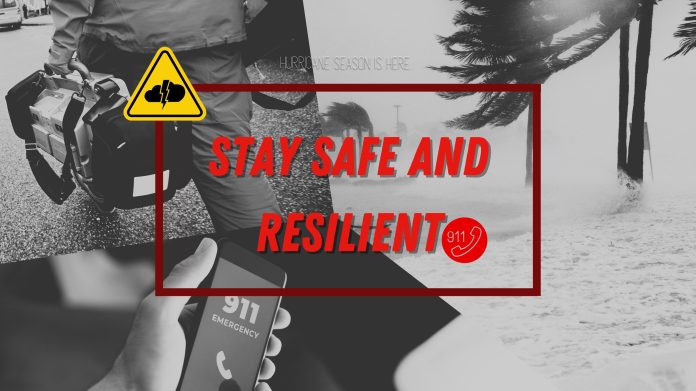
Hurricane season is here and as residents of the Texas Forest Country region, we must take proactive measures to protect their homes, families, and communities. Texas is no stranger to the devastating impact of hurricanes, and being prepared can make a significant difference in mitigating damage and ensuring the safety and well-being of everyone involved. So let’s explore some essential steps to get ready for the hurricane season in Texas, equipping you with the knowledge and resources necessary to face these powerful storms.

Stay Informed:

The first and most crucial step in hurricane preparedness is to stay informed about weather updates and warnings. Utilize reliable sources such as the National Hurricane Center (NHC), local news stations, and official emergency management websites to receive timely and accurate information. Sign up for emergency alerts and notifications to stay updated on any changes in storm conditions and evacuation orders.

Create an Emergency Plan:

Developing a comprehensive emergency plan is vital for every household. Discuss evacuation routes, designated meeting points, and establish a communication plan with your family members or close friends. Ensure that everyone understands their roles and responsibilities during a hurricane and knows how to react in different scenarios. Prepare a disaster supply kit with essential items such as food, water, medications, flashlights, batteries, and important documents.

Secure Your Property:

Protecting your property should be a priority. Conduct a thorough inspection of your home and address any weak points. Trim trees, clear gutters, and secure loose outdoor items that can become hazardous projectiles in high winds. Consider installing storm shutters or boarding up windows with plywood. Reinforce garage doors and entry points to minimize potential damage. Purchase necessary supplies like sandbags to prevent flooding in vulnerable areas.

Review Insurance Coverage:

Review your homeowner’s insurance policy to ensure it provides adequate coverage for potential hurricane-related damages. Familiarize yourself with the terms and conditions, including deductibles and exclusions. Consider purchasing additional flood insurance, as standard homeowner’s insurance policies often do not cover flood damage. Keep a copy of important documents, insurance policies, and contact information in a waterproof and easily accessible place.

Build a Basic Emergency Kit:

Prepare a well-stocked emergency kit to sustain your household during and after the storm. It should include non-perishable food items, drinking water (one gallon per person per day for at least three days), a first aid kit, necessary medications, battery-powered or hand-crank radio, extra batteries, cellphone chargers, personal hygiene products, and cash in case of power outages. Don’t forget supplies for pets, including food, water, and medication.

Evacuation Preparedness:

In some cases, evacuation may be necessary. Stay informed about evacuation orders and plan your departure accordingly. Prepare your vehicle with a full tank of gas, and if possible, maintain an emergency roadside kit. Pack essential items such as clothing, blankets, important documents, and medication. Follow designated evacuation routes, avoid flooded areas, and evacuate early to avoid traffic congestion and potential hazards.

Post-Hurricane Safety:

After the storm passes, exercise caution and be aware of potential dangers. Stay tuned to local news and updates regarding road conditions, power outages, and the availability of essential services. Be cautious of downed power lines, flooded areas, and weakened structures. Only return to your property once authorities declare it safe, and if you evacuated, wait until the official “all-clear” is given.

Preparing for hurricane season in Texas requires proactive planning and a focus on safety. By staying informed, creating an emergency plan, securing your property, reviewing insurance coverage, building an emergency kit, and being prepared for evacuation, you can significantly enhance your ability to weather the storm and protect your loved ones. Remember, being proactive and prepared is the key to resilience in the face of hurricane season.

Budget-Friendly Outdoor Projects for the DIYer

0

Are you eager to spruce up your outdoor space but worried about the cost? Don’t fret! With a little creativity and some DIY know-how, you can transform your outdoor area into a beautiful oasis without breaking the bank. From enhancing your garden to revamping your patio, here are some budget-friendly outdoor projects for the DIYer.

Container Gardening:

Container gardening is a fantastic way to add life and color to your outdoor space. You can start by repurposing old containers such as buckets, wooden crates, or even tires. Fill them with potting soil and plant your favorite flowers, herbs, or vegetables. Not only is container gardening affordable, but it’s also highly versatile and easy to maintain.

DIY Planters and Trellises:

Upgrade your outdoor decor by creating your own planters and trellises. Instead of buying expensive options, repurpose materials like wooden pallets, cinder blocks, or even old furniture. Turn them into unique and eye-catching planters by adding a fresh coat of paint or simply leaving them in their natural state. For trellises, use bamboo poles or build one using scrap wood. Your climbing plants will thank you!

Outdoor Lighting:

Create a warm and inviting atmosphere by installing outdoor lighting. String lights are an affordable and magical option that can instantly transform any outdoor space. Hang them across your patio, deck, or pergola for a cozy ambiance. Solar-powered lights are another budget-friendly alternative that doesn’t require any wiring or electricity.

DIY Pathways:

Elevate your garden by adding DIY pathways using inexpensive materials such as gravel, mulch, or recycled bricks. Outline the pathway with stones or logs for a charming touch. This simple project can make a significant impact on the overall aesthetics of your outdoor space while providing functional access.

Upcycled Furniture:

Instead of buying new outdoor furniture, why not give a second life to old pieces? Look for used furniture at thrift stores, garage sales, or online marketplaces. With a bit of sanding and a fresh coat of paint or stain, you can transform worn-out chairs, tables, and benches into stylish and unique pieces. Add some weather-resistant cushions and you’ll have a cozy seating area without spending a fortune.

Vertical Gardens:

If you have limited space, consider creating a vertical garden. Repurpose old pallets, hanging shoe organizers, or even gutters attached to a wall. Fill them with soil and plant a variety of herbs, flowers, or small vegetables. Not only does it maximize your space, but it also adds a touch of greenery to otherwise unused areas.

Outdoor Art:

Add a personal touch to your outdoor space by incorporating some DIY outdoor art. Paint rocks with inspirational quotes or colorful patterns and scatter them around your garden. Create a mosaic using broken ceramic tiles on an old table or planter. Hang handmade wind chimes or repurpose old silverware into garden markers. The possibilities are endless and only limited by your imagination.

Remember, with DIY projects, it’s essential to plan, research, and take safety precautions. Always use proper tools and materials suitable for outdoor use. Get creative and enjoy the process while making your outdoor space a reflection of your personal style. These budget-friendly outdoor projects will not only enhance your surroundings but also provide a sense of accomplishment and satisfaction. Happy DIYing!

Have You Discovered Your Purpose in Life?

0

Life is a beautiful gift from God, and as Christians, we believe that each one of us has a unique purpose and calling in this world. Discovering that purpose can bring a deep sense of fulfillment and joy. However, it can sometimes be challenging to discern what exactly that purpose is. If you find yourself searching for your life’s purpose, here are some simple ways, rooted in the Christian faith, to help you on your journey of discovery.

Seek God in Prayer: A prayer is a powerful tool that connects us with God and opens the door for divine guidance. Take time each day to pray, asking God to reveal His purpose for your life. Ask for wisdom, clarity, and direction. Be open and attentive to God’s voice as you spend time in His presence.

Study God’s Word: The Bible is not only a source of spiritual nourishment, but it is also a guidebook for life. Dive into Scripture and explore the stories of men and women who sought and fulfilled their purposes in God. Meditate on passages that speak to your heart and seek the principles and values that God desires for your life.

Reflect on Your Passions and Gifts: God has uniquely designed each one of us with specific talents, skills, and passions. Take time to reflect on the things that bring you joy and energize you. What are your natural abilities? What activities make you lose track of time? Your passions and gifts often align with your purpose. Consider how you can use them to serve others and bring glory to God.

Pay Attention to Your Circumstances: God can often speak to us through the circumstances of our lives. Pay attention to the doors that open and close, the opportunities that come your way, and the challenges you face. Sometimes, God’s purpose for us becomes evident through the situations He places us in or the people He brings into our lives. Stay open to these divine appointments.

Seek Wise Counsel: Proverbs 15:22 says, “Plans fail for lack of counsel, but with many advisers, they succeed.” Surround yourself with wise, godly individuals who can provide guidance and accountability. Seek mentors, pastors, or trusted friends who can help you discern your purpose. Their wisdom and insights can offer valuable perspectives and help confirm or challenge your ideas.

Step Out in Faith: Discovering your purpose often requires taking steps of faith. It may involve stepping outside of your comfort zone, trying new things, or taking risks. Trust that God will lead and guide you as you step forward in obedience to His calling. Remember that God equips those He calls and that He is with you every step of the way.

Serve Others: One of the central teachings of Christianity is to love and serve others. Look for opportunities to use your talents, passions, and resources to make a positive impact on the lives of those around you. Serving others not only brings joy and fulfillment but can also reveal more about your purpose in the process.

Discovering your purpose in life is a journey that may unfold gradually over time. Be patient and trust in God’s timing. Remember that your purpose is ultimately about bringing glory to God and advancing His kingdom on Earth. As you seek Him, align your passions with His will, and serve others, you will find yourself walking more

Empower, Connect, Engage, and Inspire (Angelina County)

0

Join us for our Women’s Networking Luncheon, presented by Regions Bank, on Tuesday, June 13 from 11:30 AM to 1 PM. We will hear from Ashley Berry, as she shares “Do it Anyway: Taking the Risk and Overcoming the Fear.”
This will be a fantastic luncheon that you don’t want to miss!

Location:
900 Crown Colony Dr
Lufkin, TX

Save your seat today by calling 936-634-6644, clicking on the link below, or emailing RSVP@LufkinTexas.org!

Gifts to Elevate Dad’s Morning Routine this Father’s Day

0

A great morning routine makes getting out of bed more pleasant and sets the tone for a successful, happy day. Whether your Dad is a morning lark or a night owl, he will appreciate gifts that help him start his days on the right foot. With that in mind, here are three fun Father’s Day gift ideas to consider, all of which would also make great gifts for the newly-graduated:

1. The perfect cup of coffee: Most people think they are satisfied with their morning cup of coffee, that is, until they try Nextmug, a smart, self-heating mug that keeps beverages warm (130 degrees F), hot (140 degrees F) or piping hot, (150 degrees F) depending on the setting selected. Lab testing has shown that liquid in a standard ceramic mug loses 52% of its heat over a two-hour period. Nextmug loses no heat over that same time frame, making it possible to savor coffee or tea for as long as it takes to drink it. If Dad has ever resorted to microwaving a forgotten morning brew, which can turn even the best drink bitter, or has simply slugged it down tepid, he will appreciate this sleek, ergonomic, easy-to-use mug. Plus, its optional spill-resistant lid means that Dad can take his cup of joe throughout his home or office, on the back deck, or wherever he would most enjoy it. Perfect for a dorm or first apartment, this makes a useful high school or college graduation gift as well. For more information, visit https://amzn.to/43OhLqb .

2. A closer shave: Help Dad say goodbye to nicks and patchy facial hair. Offering a close shave, even on a dense beard, Braun’s Series 9 Pro Electric Shaver features sensors that adjust power to beard density, and a precision switch to capture tricky hair. Because its built-in sonic technology yields a more efficient shave, and its docking station automatically charges and cleans the razor, you’ll be giving Dad the gift of more time for himself in the morning. https://amzn.to/3P0CanY

3. Music and podcasts on-the-go: Add entertainment and motivation to Dad’s morning workouts with comfortable, durable headphones. Just be sure to consider his needs when selecting the right pair. Whereas bone conduction headphones offer the safety of being able to hear surrounding sounds, which is great for morning jogs and commutes, air conduction offers the best shock-free comfort. Finally in-ear style headphones can isolate outside noise when it’s desired, such as at the gym. The H2O Audio TRI PRO Multi-Sport Headphones, allows users to switch between these three modes. It’s also completely waterproof and Bluetooth-connected, so Dad can listen to his favorite jams and podcasts, even when swimming laps at the pool. And thanks to its 8G storage, he won’t get bored with his listening options. https://amzn.to/42uGnmO

This Father’s Day (and graduation season) put a smile on the face of your honoree by looking for gifts that help elevate morning routines.

Have a Bump on Your Foot? Don’t Ignore It

0
(c) dragana991 / iStock via Getty Images Plus

Have a lump or bump on your foot? Whether it’s painful or not, it could potentially signal a serious condition. Foot and ankle surgeons warn it’s important to have it checked out, no matter its size or location on your foot.

“Whether your bump or lump is pea-sized or golf ball-sized, it should not go ignored. A proper diagnosis is key to proper treatment,” says Michael Coyer, DPM, FACFAS, a board-certified foot and ankle surgeon and a Fellow Member of the American College of Foot and Ankle Surgeons (ACFAS).

According to ACFAS, here’s what to know about some of the more common types of lumps found in the foot:

Ganglionic Cysts

This soft, fluid-filled sac is a non-cancerous bump that experts believe may arise from single or repetitive trauma. A ganglionic cyst can be caused by a leaking of jelly-like fluid from the “capsule” surrounding a joint or tendon and may be located on the top of the foot, near an ankle joint or even on the side of the foot. While the lump itself is often the only symptom experienced, you may feel tingling or burning if it’s touching a nerve, or a dull ache if it’s pressing against a tendon or joint. Often, ganglionic cysts cause irritation, making it difficult to wear shoes. Such cysts generally will not go away on their own and may return, even after being drained. Surgical removal by a foot and ankle surgeon can help prevent recurrence. However, if the cyst is not causing pain and doesn’t interfere with walking, your surgeon may simply monitor it over time.

Plantar Fibromas

Plantar fibromas are benign, fibrous, hard nodules found within the ligament of the foot and are especially common in the arch area on the bottom of the foot. These bumps tend to be less than an inch in diameter but can get larger over time. They can cause pain when shoes push against them or when you’re walking or standing barefoot. Steroid injections, physical therapy, or orthotic devices may help relieve associated discomfort but will not make the fibroma disappear. While surgical removal is an option if pain persists following nonsurgical approaches, it’s important to know that recurrence can occur post-surgery, as can complications, such as a flattening of the arch or the development of hammertoes.

Haglund’s Deformity

Haglund’s deformity, sometimes called a “pump bump,” is a bony enlargement on the back of the heel. When it rubs against shoes — from high-heeled pumps to running shoes — the soft tissue near the Achilles tendon can become irritated. This often leads to painful bursitis, an inflammation of the fluid-filled sac between the tendon and bone. While certain foot structures are more prone to Haglund’s deformity, you can treat the condition and help prevent recurrence with appropriate footwear, arch supports, orthotic devices and stretching exercises. Physical therapy, icing and NSAIDs can also reduce inflammation.

Sometimes, Dr. Coyer notes, a bump is suspected of being cancerous. In this case, your foot and ankle surgeon will perform a biopsy and if it is indeed cancer, will perform surgery to remove the mass, working in tandem with an oncologist for cancer treatment.

For more information on foot bumps or to find a foot and ankle surgeon near you, visit FootHealthFacts.org, the American College of Foot and Ankle Surgeon’s patient education website.

“Remember, the sooner we’re able to properly evaluate your bump, the sooner you can have peace of mind and move forward with treatment,” says Dr. Coyer.

How to Protect Your Favorite Outdoor Gear

0

With warmer weather here, more and more people are spending time on their decks, patios, and in their gardens, and yards using outdoor products. From grills to furniture to mowers, 88% of Americans have invested in products dedicated to outdoor use and 65% of those have used them at least several times a week, according to an Allstate Protection Plans survey.

Unfortunately, 83% of those surveyed who own outdoor products have experienced damage to one or more of them. That damage has been more than a little expensive: Americans have spent over $44 billion repairing or replacing their outdoor products.

“It’s no surprise that the outdoor products we use so much this time of year, that make life so great during the warmer months, can be especially vulnerable to damage,” says Jason Siciliano, vice president, and global creative director at Allstate Protection Plans. “What some people may not realize is that the same protection plans that are available for indoor furniture, electronics, and major appliances are also available for outdoor products. They can be a great way to protect your investments in the great outdoors.”

The survey found that 65% of Americans do not have a protection plan for any of their outdoor products, and 56% were not even sure they could purchase one. With American households spending hundreds and, in some cases, thousands of dollars a year on outdoor equipment, furniture, and supplies, adding protection can be a smart idea.

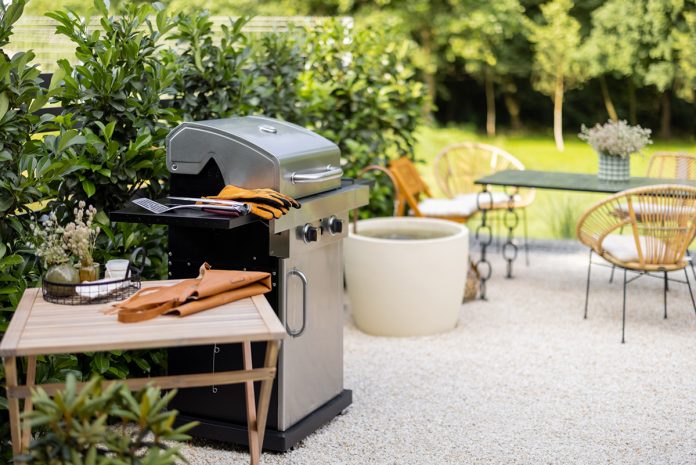
Beyond purchasing protection plans, Siciliano also recommends taking steps to extend the life of your outdoor products. For example, use the proper fuel in lawn care equipment, clean your grill and cover it when it’s not in use, and apply a protectant to furniture to guard against rust and sun damage. For specialty items like fire pits and patio heaters, be sure to read the instruction manuals and follow the manufacturer’s care and maintenance recommendations. Finally, at the end of the summer, store seasonal items in your garage or shed.

“When we take care of the outdoor items that make summer enjoyable and relaxing, we’re also protecting ourselves against the expensive repairs that can pop up every spring if we don’t,” says Siciliano. “That means more in our budgets for popsicles and lemonade.”

Mary Allen Museum Free Annual Fun Day (Houston County)

0

Are you ready to have some fun? The Mary Allen Museum is hosting its second annual free fun day. Get ready for bounce houses, games, and a concert at 5! what are waiting for? Sign up, it’s free!

Date and time

Saturday, June 10 · 1 – 4 pm CDT

Location

1503 S 4th St 1503 South 4th Street Crockett, TX 75835 United States

Organized by:
Dr. Thelma Douglass and Alexandria Hubbard