

Home Blog Page 235

Study reveals obesity-related trigger that can lead to diabetes

0

 People who are overweight or obese have a significantly increased risk of developing diabetes, but exactly how that happens is not well understood.

A new study at Washington University School of Medicine in St. Louis may help explain how excess weight can contribute to diabetes and may provide researchers with a target to help prevent or delay diabetes in some of those at risk. The findings suggest that many people with elevated levels of insulin — an early marker of diabetes risk — also have defects in an enzyme important to the processing of a key fatty acid from the diet.

The research is published Jan. 11 in the journal Cell Metabolism.

“Between 30 million and 40 million people in the United States have Type 2 diabetes, and another 90 million to 100 million have risk factors that make them likely to develop Type 2 diabetes in the future,” said senior investigator Clay F. Semenkovich, MD, director of the Division of Endocrinology, Metabolism & Lipid Research at the School of Medicine. “Many at risk for diabetes have elevated levels of insulin, a hallmark of insulin resistance and a signal that means trouble may be brewing. If we could intervene before they actually develop diabetes, we might be able to prevent significant health problems — such as heart disease, chronic kidney disease, nerve damage, vision loss and other problems — in a great number of people.”

When a person has too much body fat, it signals beta cells in the pancreas to secrete more insulin. When insulin levels become elevated and remain high, the body can become resistant to insulin, and eventually the beta cells that secrete insulin can fail, leading to diabetes.

Studying human tissue samples, Semenkovich, the Irene E. and Michael M. Karl Professor; first author Guifang Dong, PhD, a senior scientist; Xiaochao Wei, PhD, an associate professor of medicine; and other Washington University researchers found that the overproduction of insulin involves a process called palmitoylation. This is the process by which cells attach the fatty acid palmitate to proteins.

Thousands of human proteins can be attached to palmitate, but the researchers found that when this fatty acid isn’t removed from proteins in beta cells, diabetes is the end result. Examining tissue samples from people who were thin or overweight, and with and without diabetes, the researchers found that the people with diabetes were deficient in an enzyme that removes palmitate from beta cells.

“They hyper-secrete insulin because this process goes awry, and they can’t appropriately regulate the release of insulin from beta cells,” Semenkovich explained. “Regulating insulin release is controlled in part by this palmitoylation process.”

With colleagues David W. Piston, PhD, the Edward W. Mallinckrodt Jr. Professor and head of the Department of Cell Biology & Physiology, Maria S. Remedi, PhD, a professor of medicine and of cell biology & physiology, and Fumihiko Urano, MD, PhD, a professor of medicine and of pathology & immunology, the research team also genetically engineered a mouse that was deficient in the enzyme called APT1, an enzyme responsible for palmitate removal from proteins. The engineered mice went on to develop diabetes.

Because impaired APT1 function contributed to diabetes risk, the researchers worked with the university’s Center for Drug Discovery to screen and identify compounds that can increase the activity of the APT1 enzyme.

“We’ve found several candidate drugs, and we’re pursuing those,” Semenkovich said. “We think that by increasing APT1 activity, we might reverse this process and potentially prevent people at risk from progressing to diabetes.”

Although he said the new findings identifying APT1 as a target are an important step, Semenkovich explained that APT1 is only one treatment target among many.

“There are several ways that Type 2 diabetes may develop,” he said. “This enzyme is not the answer, but it’s an answer, and it appears we have some promising tools that might keep some people with prediabetes from developing diabetes.”

For more information, go to newswise.com

Stay on Your Toes This Winter: Protect Your Feet During Cold Weather Months

0

For many people, the start of winter means pleasant evenings by the fireplace, holiday celebrations and making plans for skiing and other snow sports. But it isn’t all fun and games. During the cold weather months, orthopedic specialists at Hospital for Special Surgery (HSS) often see an uptick in injuries and foot problems that could be avoided with good practices. They urge everyone to prepare for cold weather challenges.

The first step is to make sure that winter shoes and boots stored away for almost a year still fit well, says Dr. Mark Drakos, an orthopedic foot and ankle surgeon at HSS Long Island and at the main hospital in Manhattan. “Our feet change as we get older, and footwear that fit us last year may now be too tight,” he explains. “Squeezing your feet into shoes that are too snug can lead to foot pain, blisters, bruises and other problems.”   

When shopping for new shoes or boots, Dr. Drakos recommends going to the store in the late afternoon or evening because our feet tend to get bigger as the day goes on. He says it’s a good idea to bring the socks you plan to wear in the cold weather, as they may be thicker and need more room in the shoe.

Good traction is as important as fit when streets are covered with snow and ice. “It may seem like common sense, but the first winter storm of the season often catches people off guard, and we tend to see more injuries,” says Dr. Andrew Elliott, an orthopedic foot and ankle surgeon at HSS locations in Manhattan and Paramus, New Jersey. He recommends keeping a spare pair of winter shoes at work in the event of unexpected snow. Various types of anti-slip shoe covers, which are easy to find online, can also provide traction on slick surfaces. 

Winterize Your Feet

For many of us, moisturizing our face and hands during the winter is must, but we may not give much thought to dry skin on our feet. If you are prone to dry, cracked heels and other problems that are more common in winter, experts recommend moisturizing your feet daily.

It is also important to keep your feet clean and dry to ward off fungus and infections such as athlete’s foot. Acrylic-blend socks that wick away moisture can help. Experts recommend changing socks after exercising, engaging in winter activities, or at the end of the day, when appropriate. If shoes and socks become wet, be sure to dry them out overnight, Dr. Elliott says.

Very low temperatures can be hard on our feet. Exposure to cold air causes the body to slow blood circulation to the extremities to preserve the body’s core temperature. If you must be out in the cold, water-resistant, insulated footwear and warm socks are essential. The potential for frostbite must never be taken lightly, Dr. Elliott says. Anyone who starts to experience numbness and pain is advised to go to a warmer environment as soon as possible. People with diabetes are at particular risk, as nerve damage known as neuropathy may prevent them from feeling the cold, he notes.

Preparing for Winter Sports

Whether returning to a winter sport such as skiing or trying a new one, strength training and conditioning in advance are important to get your body ready, says Dr. James Wyss, a physiatrist at HSS Long Island who specializes in treating patients with sports injuries and other painful conditions. “Everyone should also take the time to warm up before an athletic activity,” he says. “This is essential to prevent injury.” 

An effective 10-minute warm-up targets the muscles that will be used in the planned activity, Dr. Wyss explains. For example, if someone is going hiking or snowshoeing, some brisk walking on a level surface or climbing a couple of flights of stairs beforehand would be good. 

Many people are devoted to outdoor running year-round, and wearing a shoe with good traction is important, says Dr. Tony Wanich, an orthopedic surgeon at the HSS Sports Medicine Institute in Manhattan. “Much like the way we change our tires to deal with winter weather, we advise runners to wear the appropriate shoes for the season,” he says. Sometimes that means going to a specialized shoe store, where employees can help you choose the right shoe and ensure a good fit.

Dr. Wanich also recommends wearing insulated socks in very cold weather. He notes that running enthusiasts are often ‘‘in the zone’’ – so caught up in the sport, they may not realize they are developing mild frostbite. In addition to good cold weather gear, awareness of dropping temperatures is critical to stay safe.  

Anyone who starts to experience pain during an activity should stop and take a break, the doctors say. For a foot problem that isn’t improving, it’s best to see a doctor sooner rather than later. If you have vowed to get more exercise in the New Year, taking care of your feet now will enable you to keep that resolution later.

For more information, go to newswise.com
How to Style Cargo Pants

0

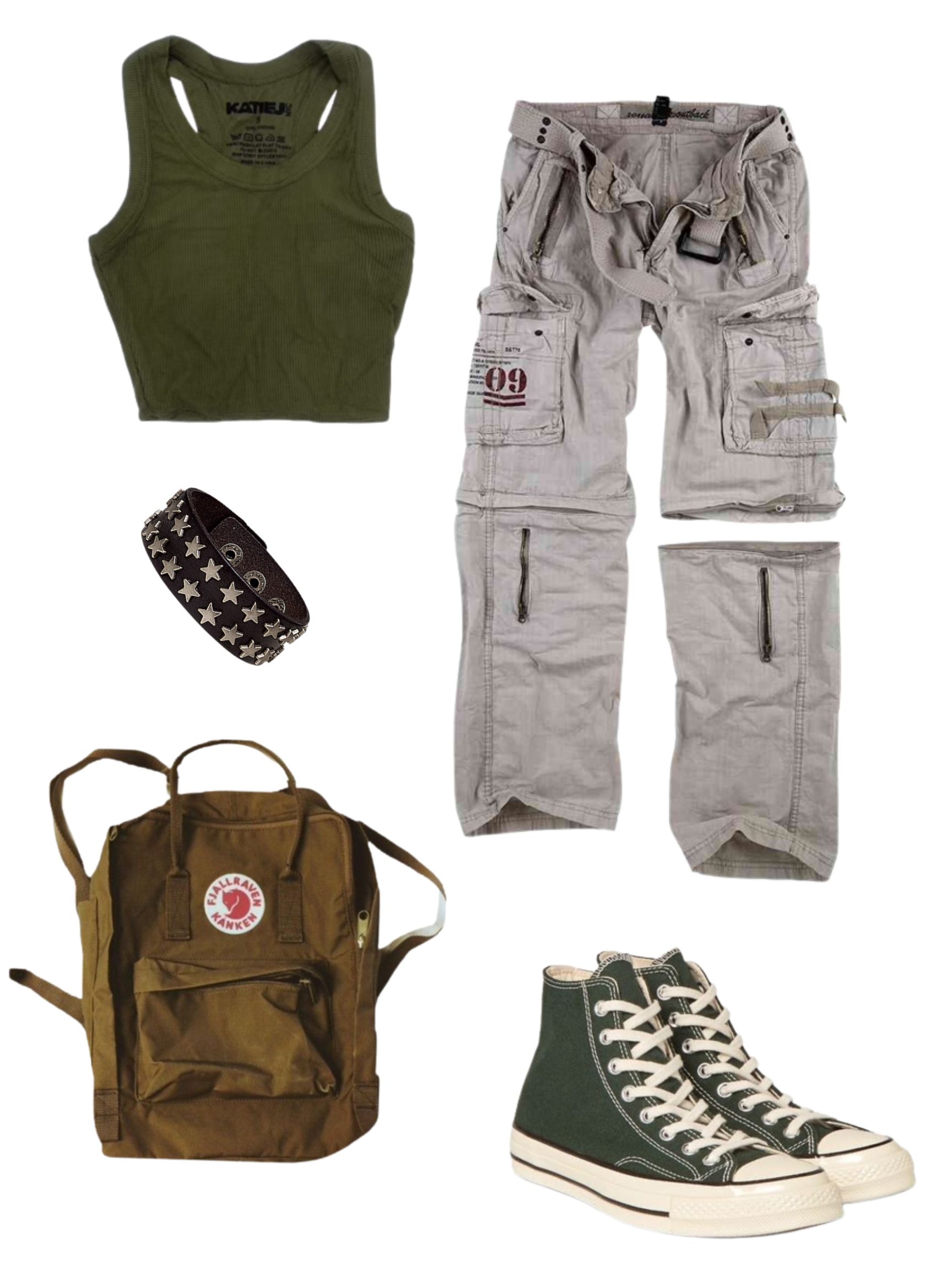
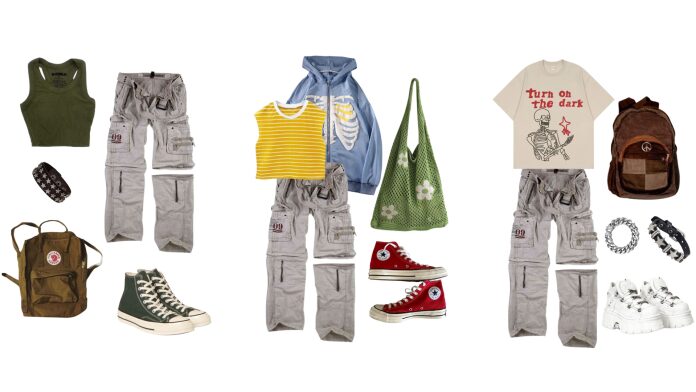
Cargo pants are ridiculously easy to style all it takes is a little patience and attention. I really like cargo pants and I wish I had more but unfortunately, I don’t. To me, cargo pants make me feel very confident about what I look like so it brings me comfort knowing I look good.

Style #1

This style has this down-to-earth vibe about it and I really like that it gives off those calm and nurturing feelings. I would wear this outfit to school and when I’m feeling calm.

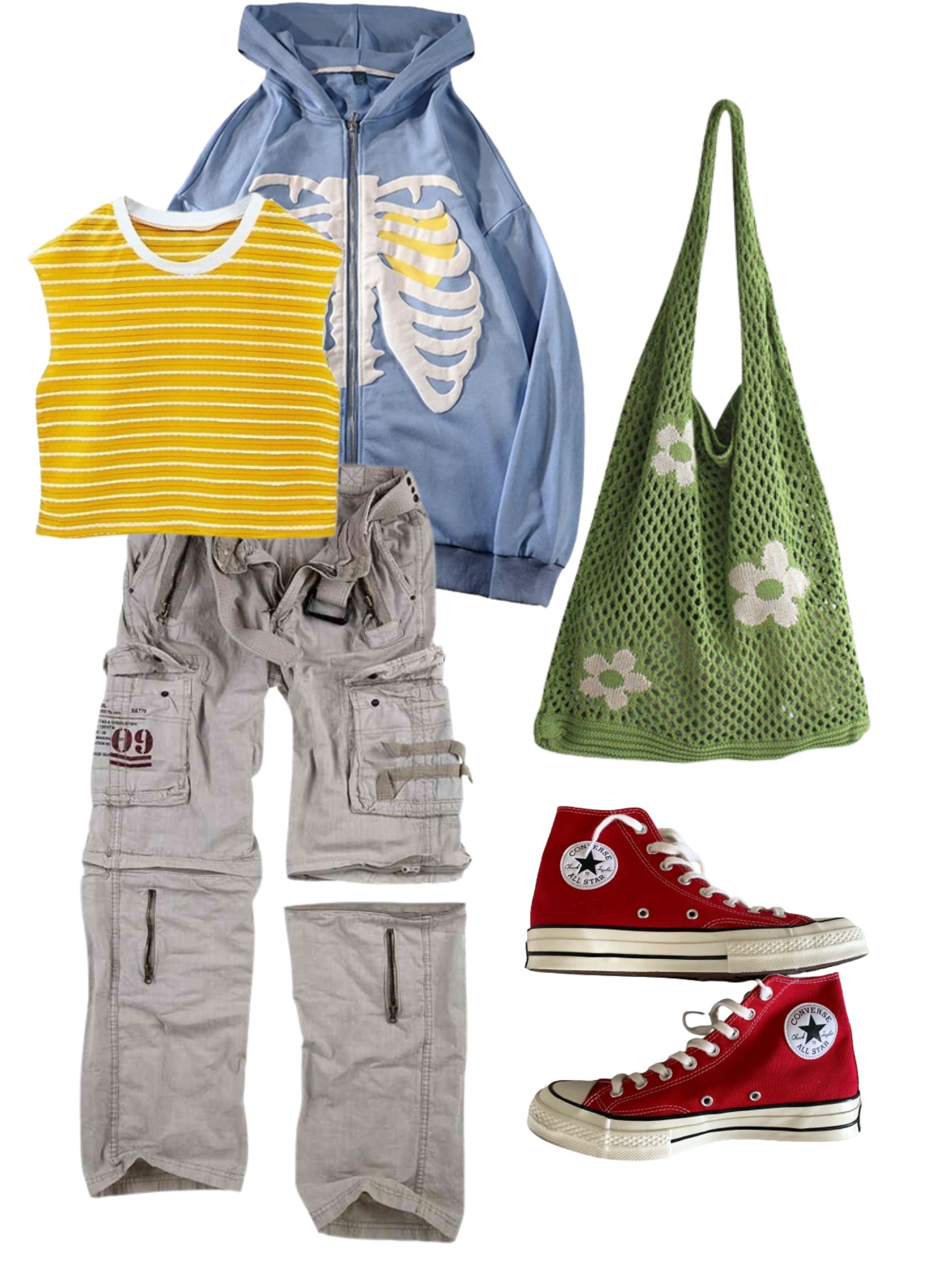
Style #2

I love this outfit so much because it’s so silly how the colors clash together. The red, blue, and yellow is a goofy combination because it reminds me of funny clowns. I would wear this outfit when I am feeling fun and adventurous!

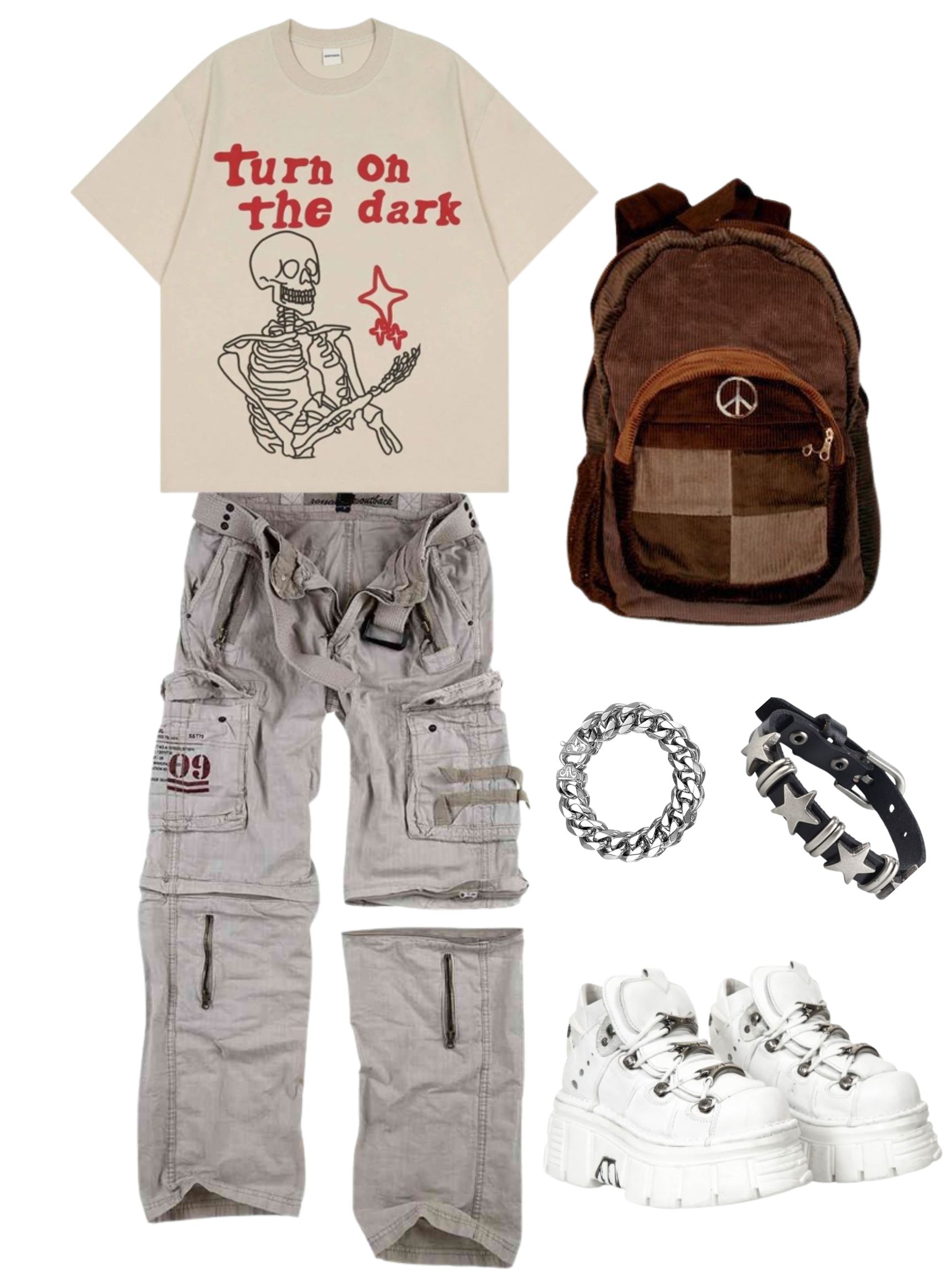
Style #3

Here I’ve made an outfit for the more masculine people out there. This one reminds me of the word “hippie” because of how brown the outfit is. The backpack and bracelets really pull everything together.

Homemade Dumplings for You and Your Family

0

Cooking with your family can be a lot of fun! There’s a lot of tricks to cooking that your grandmother or your mom may know so take a break from whatever your doing every once and awhile and help out in the kitchen. Today I’m going to tell you the recipe for homemade dumplings!


Ingredients:

  • 3 cups chicken (about 2-3 chicken breasts)
  • 2 quarts chicken broth
  • 2 cups all-purpose flour (or 2 cups of Krusteaz all-purpose gluten-free flower)
  • ½ teaspoon baking powder
  • 2 tablespoon cold salted butter, cubed
  • 1 cup milk
  • 2 tablespoon olive oil
  • salt and pepper

Instructions:

  1. Preheat oven to 350F degrees. Spray a baking sheet with nonstick cooking spray.
  2. Place chicken breast on the baking sheet and Drizzle a little olive oil on the chicken and season with salt and pepper.
  3. Bake chicken for about 45 minutes. Once the chicken is cooked, shred it with two forks.
  4. Pour 2 quarts of chicken stock or broth into a large pot and start warming it up on the stove top while you make the dumplings..
  5. In a medium bowl, combine flour and baking powder. Then add in cubed butter.
  6. Combine using your fingers, fork or pastry cutter.
  7. Pour in the milk. Mix it all together.
  8. Dust your counter with a generous amount of flour. Place dumpling dough on the counter and dust it with more flour.
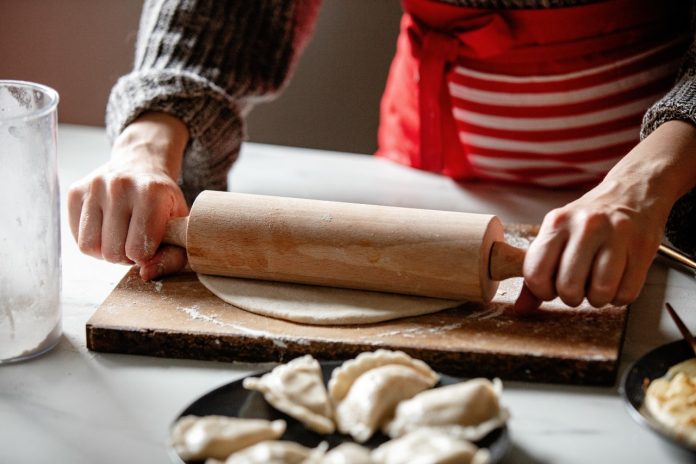
  9. With a rolling pin, roll the dough out to about ¼” thickness. Be sure to add flour as necessary to keep it from sticking underneath or to your rolling pin.
  10. Using a knife or a pizza cutter, start cutting out your dumplings into squares.
  11. Dust dumplings with a bit more flour. The extra flour is all gonna help keep them from sticking but will also thicken your chicken broth some as well when you add them to the pot.
  12. Bring chicken broth up to a boil. Add in shredded chicken and stir.
  13. Begin adding dumplings one at a time so they don’t all stick together. Stir frequently while adding them.
  14. Allow dumplings to cook for about 15-20 minutes. You should notice your broth starting to thicken (from the extra flour) and your dumplings may start to sink a little to the bottom because they are soaking up the broth.
  15. Take one out and taste test it. It shouldn’t have a doughy taste anymore.

If you’re an unexperienced cook and you aren’t sure if you can make this on your own, that’s okay! Like I said, cooking with family–friends as well–can be lots of fun. You can both be a help to each other!

Styling Outfits Around Converse Shoes

0

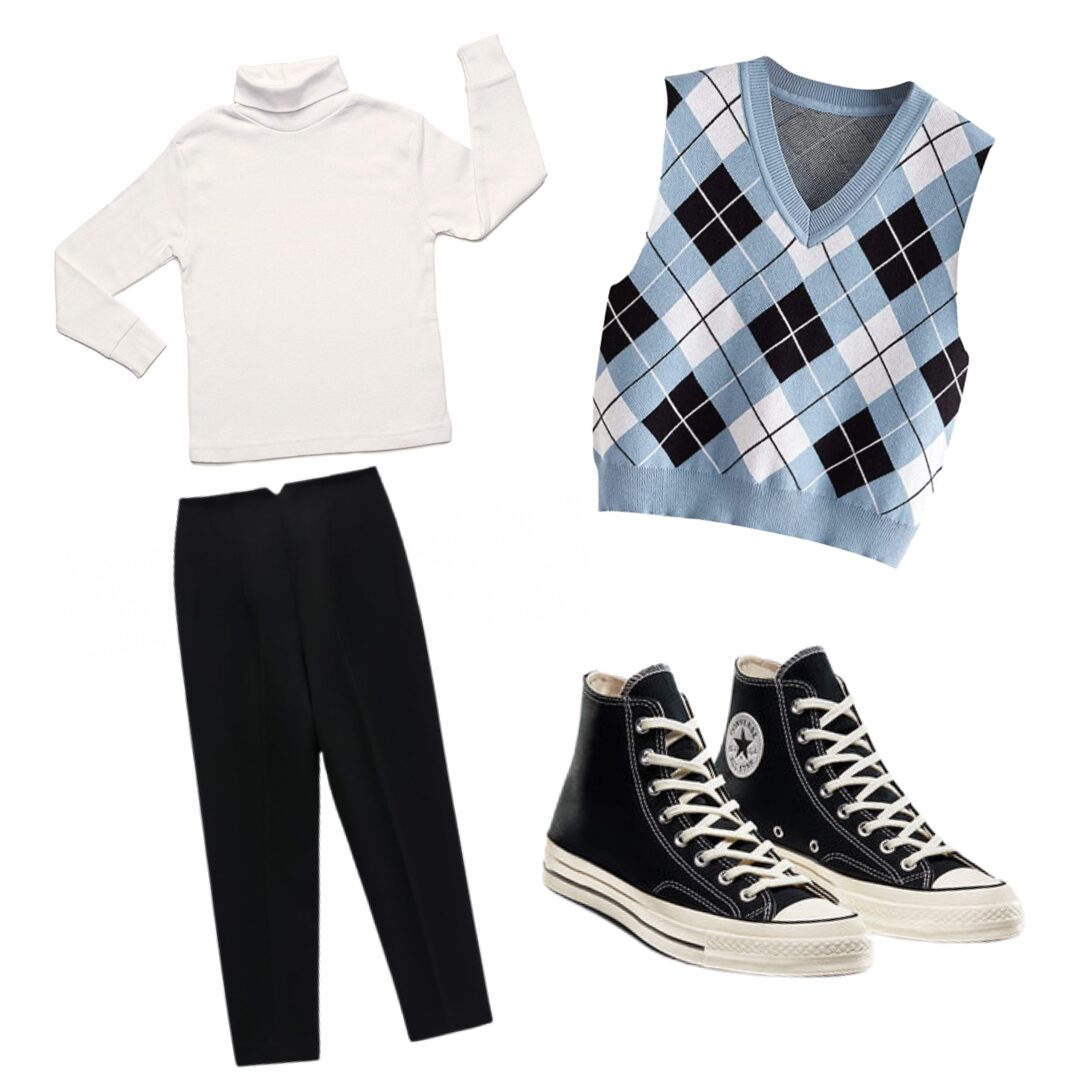
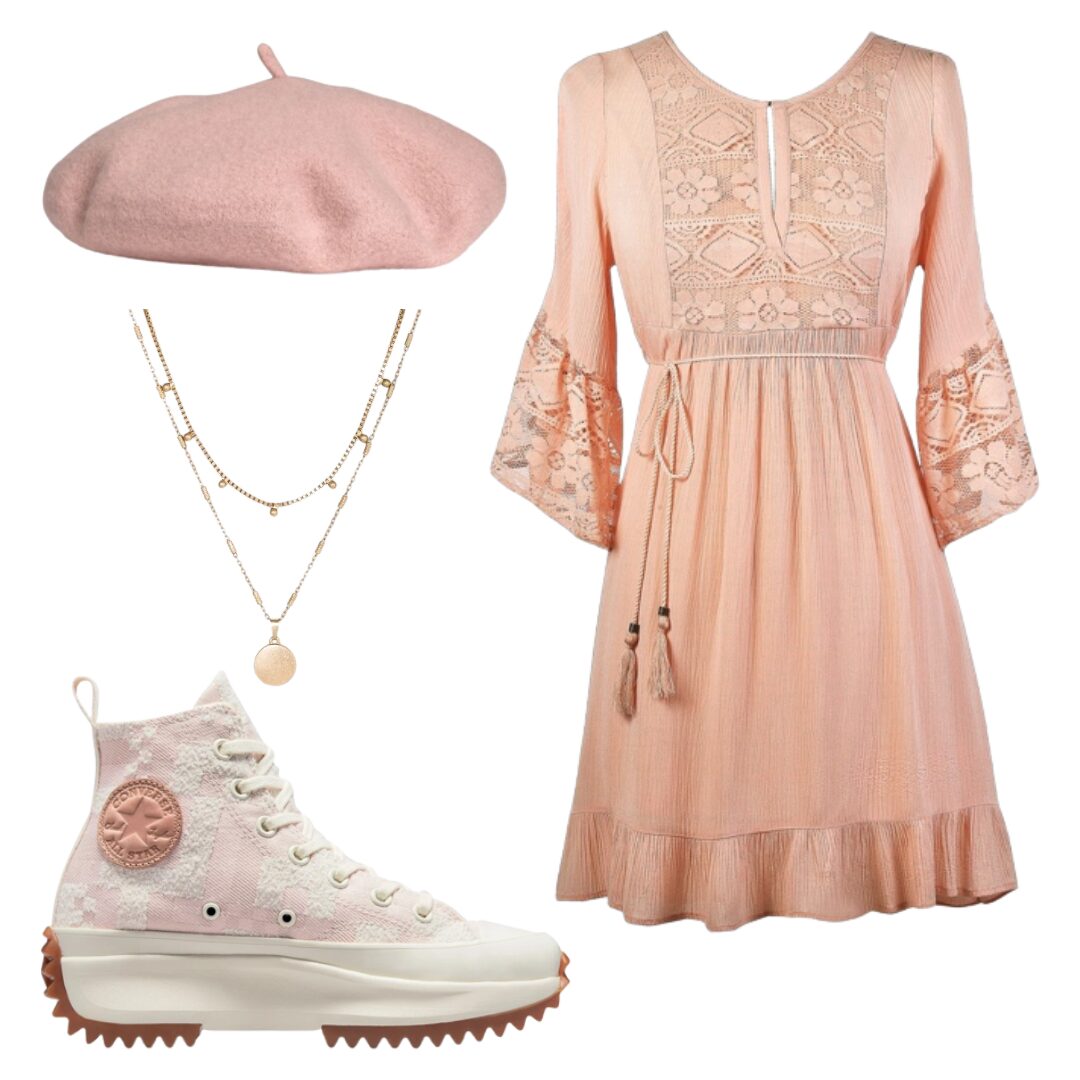
Converse shoes are super diverse and eccentric. These shoes can be matched with almost anything from anyone’s closet, so I’ve put together a few examples.


Outfit 3

In these outfits I used three different types of unique Converse, and they’re all styled perfectly! Converse are a staple in some outfits, and hopefully I can get another pair soon!

Salmonella exposure a risk for colon cancer

0
Bacteria cells flowing close up image

 A new study published in the journal Cell Reports Medicine links exposure to salmonella bacteria to colon cancer risk. 

The researchers, including a team led by Jun Sun from the University of Illinois Chicago, studied human colon cancer tissue samples and animal models and found that exposure to salmonella was linked with colon cancers that developed earlier and grew larger.  

The study authors first looked at data from a Netherlands-based retrospective study of colon cancer patients that found tissue samples taken during routine colon cancer surgery with salmonella antibodies tended to be from people who had worse colon cancer outcomes. 

Using salmonella strains isolated from these tissue samples, Sun and her U.S.-based team studied mice with colon cancer that had been exposed to the bacteria. They observed accelerated tumor growth and larger tumors in mice with salmonella exposure. They also saw that there was increased salmonella translocated to the tumors. 

“During infection, salmonella hijacks essential host signaling pathways, and these molecular manipulations may cause oncogenic transformation. The current study tells us that more research is needed into the connection between salmonella exposure and colon cancer risk in the USA, and that simply by practicing safe food preparation, we can potentially help to protect ourselves,” said Sun, UIC professor of medicine. 

Sun’s collaborators in the Netherlands also studied the bacteria in vitro. They combined human cancer cells and pre-cancer cells with the salmonella strain in the lab and measured any growth or changes in the tumor. They saw that even one infection caused transformation and that each salmonella infection exponentially increased the rate of cell transformation. 

“The mouse and tissue culture experiments show that salmonella infection had a chronic effect to accelerate tumor growth,” said Sun, who also is a member of the University of Illinois Cancer Center at UIC. “This evidence tells us that we need to look closer at salmonella exposure as an environmental risk factor for chronic diseases, such as colon cancer.” 

Leiden University Medical Center, the National Institute for Public Health and the Environment, and Utrecht University, all in the Netherlands, collaborated on this study.  

In addition to Sun, co-authors of “Repetitive non-typhoidal Salmonella exposure is an environmental risk factor for colon cancer and tumor growth” include Daphne van Elsland, Janneke Duijster, Jilei Zhang, Virginie Stevenin, Yongguo Zhang, Lang Zha, Yinglin Xia, Eelco Franz, Lapo Mughini-Gras and Jacques Neefjes. 

Journal Link: Cell Reports MedicineREQUEST AN EXPERT

For more information, go to newswise.com.

Tasty Finger-Food Ideas for Parties

0

Parties are always an enjoyable time with family and friends, especially when everything seems to be going smoothly. One of the biggest issues is trying to prepare enough food, or rather the right food that everyone will enjoy. Food is often the main thing that makes or breaks a party, moreso than even the music! Here are a few ideas that is sure to have the guests wanting to return:

  • Fried macaroni and cheese balls
Fried Mac and Cheese Bites with Dipping Sauce

Ingredients: leftover mac and cheese, shredded cheese, eggs, panko breadcrumbs.

Combine mac and cheese with shredded cheese. Scoop into 1.5 inch balls and place on a baking sheet with parchment paper. Freeze for 15 minutes. Beat 2 eggs in a bowl until there is egg wash. Dip the frozen balls into egg wash, roll in Panko to coat them. Put balls back into the freezer while you heat the oil to 375 degrees. Fry the balls for 2 minutes or until golden brown.

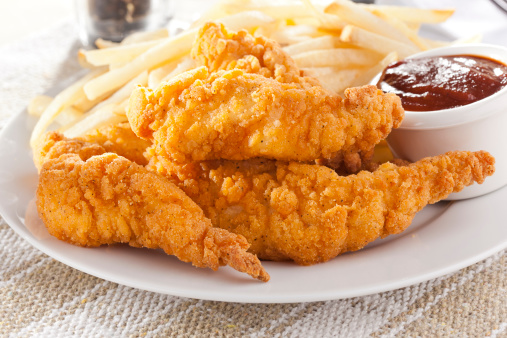
  • Chicken Tenders
Organic Crispy Chicken Strips on a background

Ingredients: 1 pound of boneless skinless chicken breast, 2 cups of panko bread crumbs, 2 large eggs, salt, black pepper, 1 tsp of garlic powder, 1 tsp of paprika.

Season chicken strips with salt, pepper, garlic powder, and paprika. In a bowl, beat the eggs until smooth egg wash. Dredge chicken strips in egg, then panko crumbs until completely coated. In a large frying pan, heat oil to 375 degrees. Fry the chicken for 4-6 minutes, or until golden brown and cooked in the center.

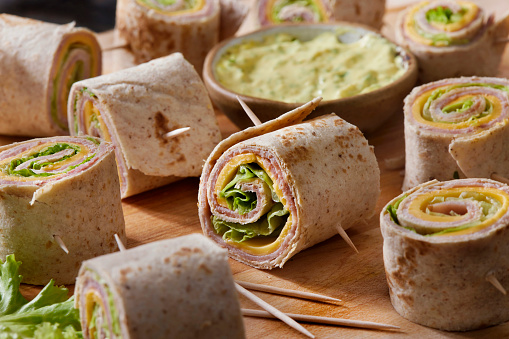
  • Sandwich Rolls
Ham, Lettuce and Cheese Tortilla Rolls with a Mustard and Mayo Dip

Ingredients: 6 flatbreads of tortillas, 12 slices of American cheese, 1 pound shaved turkey, 1 head of romaine lettuce (shredded), 1 pound shaved smoked ham.

On each piece of flatbread, lay 2 slices of American cheese, a layer of lettuce and finally a layer of shaved ham. Roll each flatbread into a large roll and wrap in plastic wrap. Refrigerate for 3-4 hours.

4 Easy Food Hacks to Try at Home

0

Using food hacks for every day life is fun and it’s easy to do! I’ve gathered 10 different and easy food hacks to try at home.

Making Mashed Potatoes

Having to hand mash and stir potatoes can get tiring quickly, and it will make your arm sore. Instead of going through all of that trouble, use an electric hand mixer to both mash and mix it. This takes a lot of the stress away from you arm and it makes mashed potatoes more quickly!

Cooking Ramen Noodles

If you don’t really like using the stove and just want to microwave instead, that’s okay! Cooking some ramen noodles in the microwave is easy. All you have to do is fill a microwaveable bowl with water until it gets barely above the noodles. Then, put it in the microwave for 2 1/2 minutes, add the seasoning after, and you’re done!

Warming Up Stale Bread

After a few days of your bread being covered by a kitchen towel, it can get pretty stale. Don’t worry, there’s an easy fix! All you have to do is cover your bread with a damp paper towel and put it in the oven or microwave for a few minutes, and the staleness will go away. Covering your bread with the damp paper towel is important because if you do not, warming it up could dry it out more or even burn it!

Keeping Your Coffee Cool and Caffeinated

This tip is important for iced coffee lovers who don’t want their caffeine high watered down. Brew some fresh coffee (as strong as you like it) and pour it into an ice cube tray. Add the frozen coffee cubes to cold brew or iced coffee, or blend them with milk to make an iced latte. Whenever these frozen coffee cubes melt, you get more coffee rather than water.


Using these food hacks is not necessary, however it does make your life a little easier! There are definitely more food hacks out there, and I encourage you to go look at them if any of these piqued your interest.

How to Take an Instant Picture

0

Taking an instant picture can be a tedious process if you’re not used to it. I personally like taking instant photos because they allow me to make memories that I could forget. Taking photos is not cheap though so be aware of what you’re taking pictures of.

Today I will take you through the do’s and don’ts of taking an instant picture.

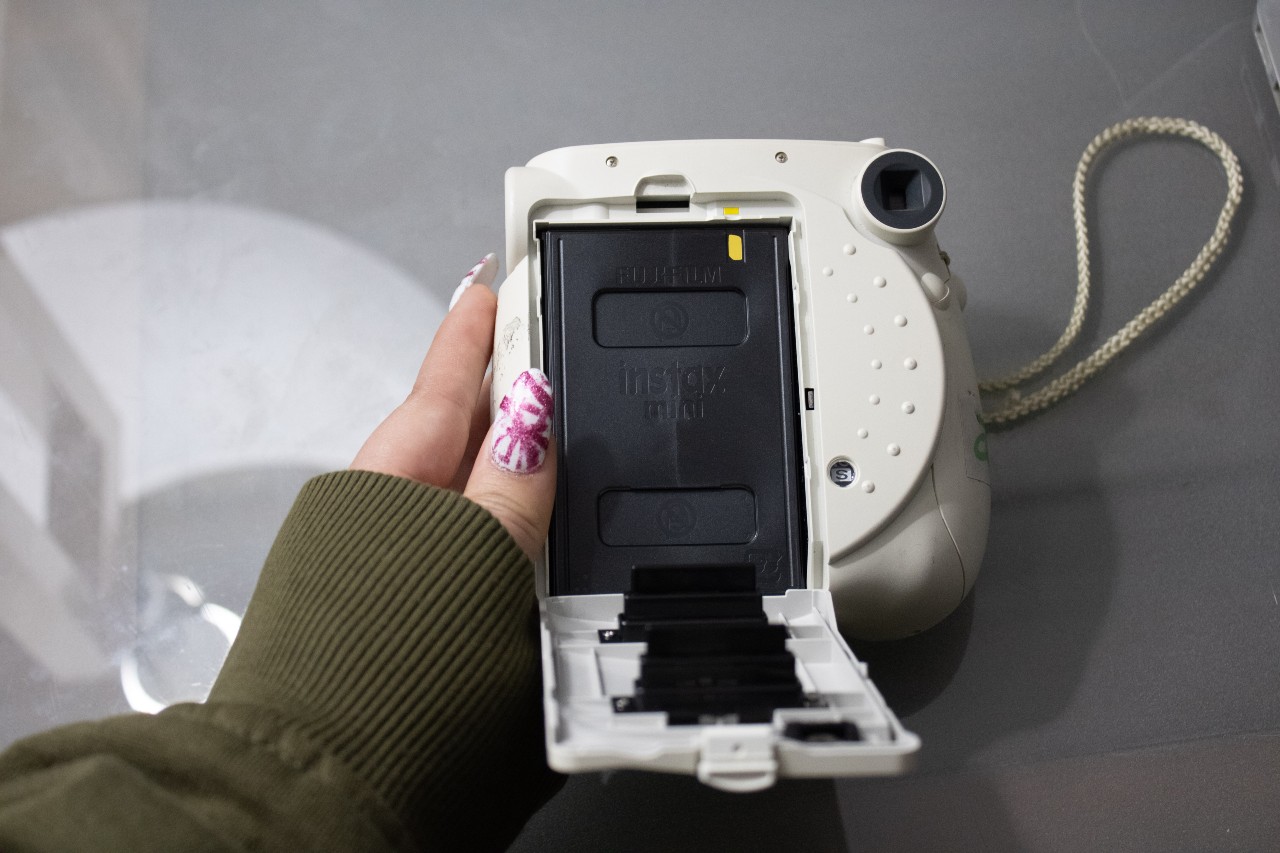
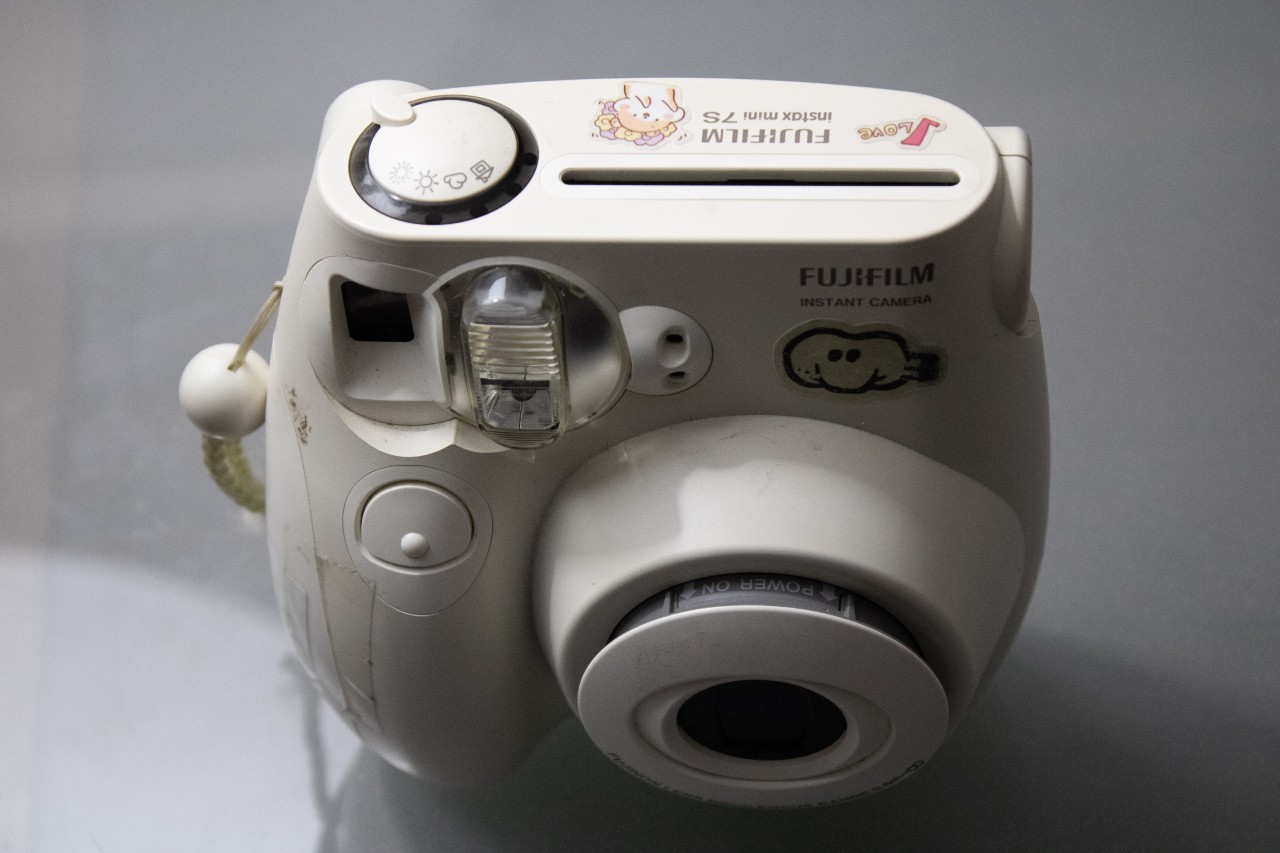
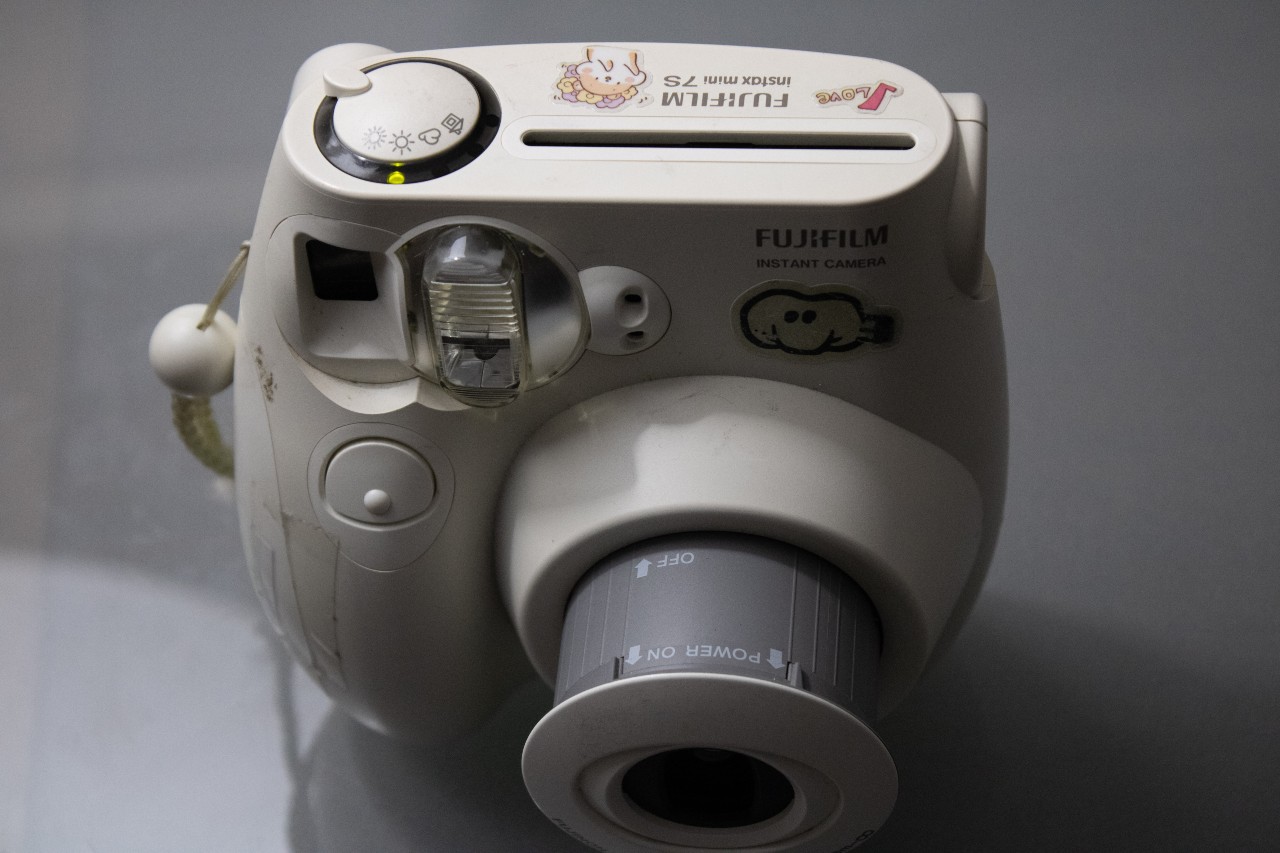
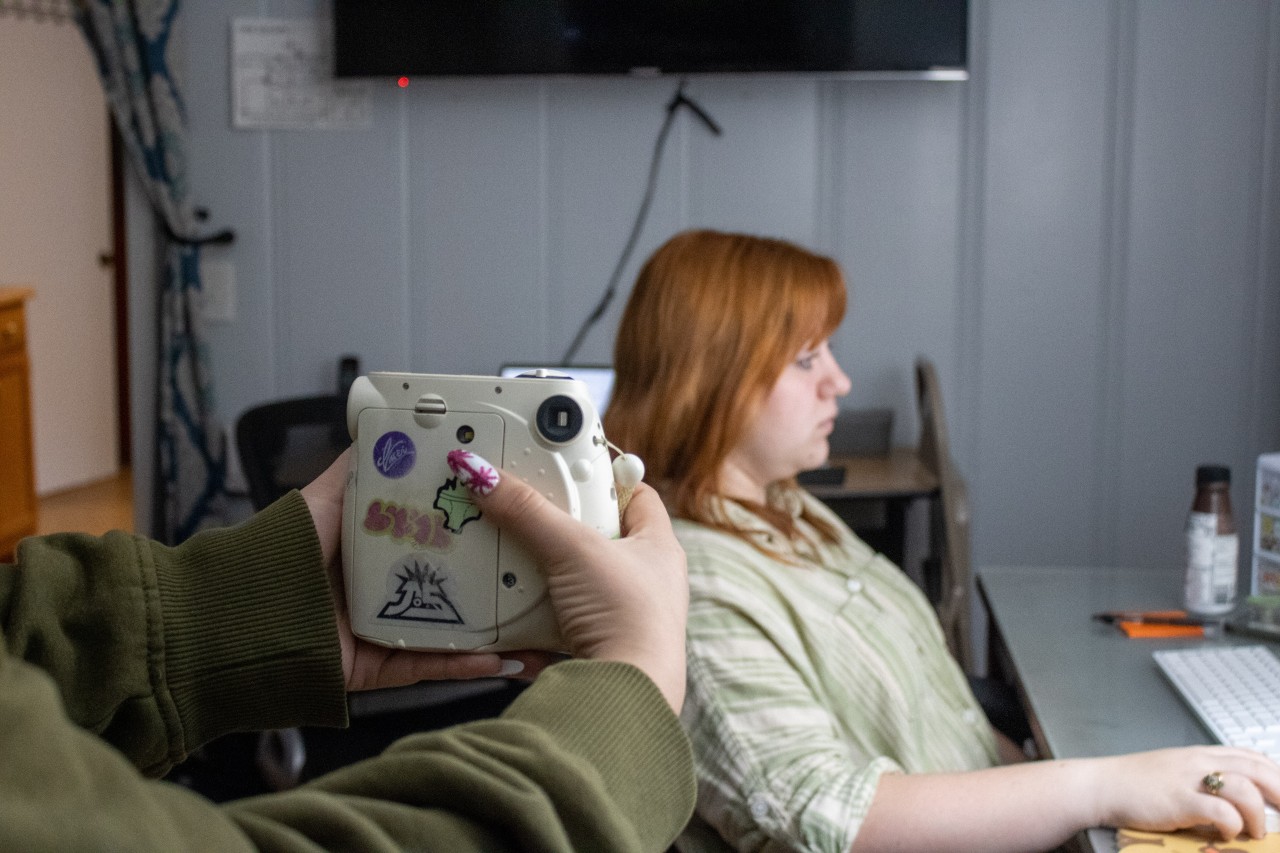
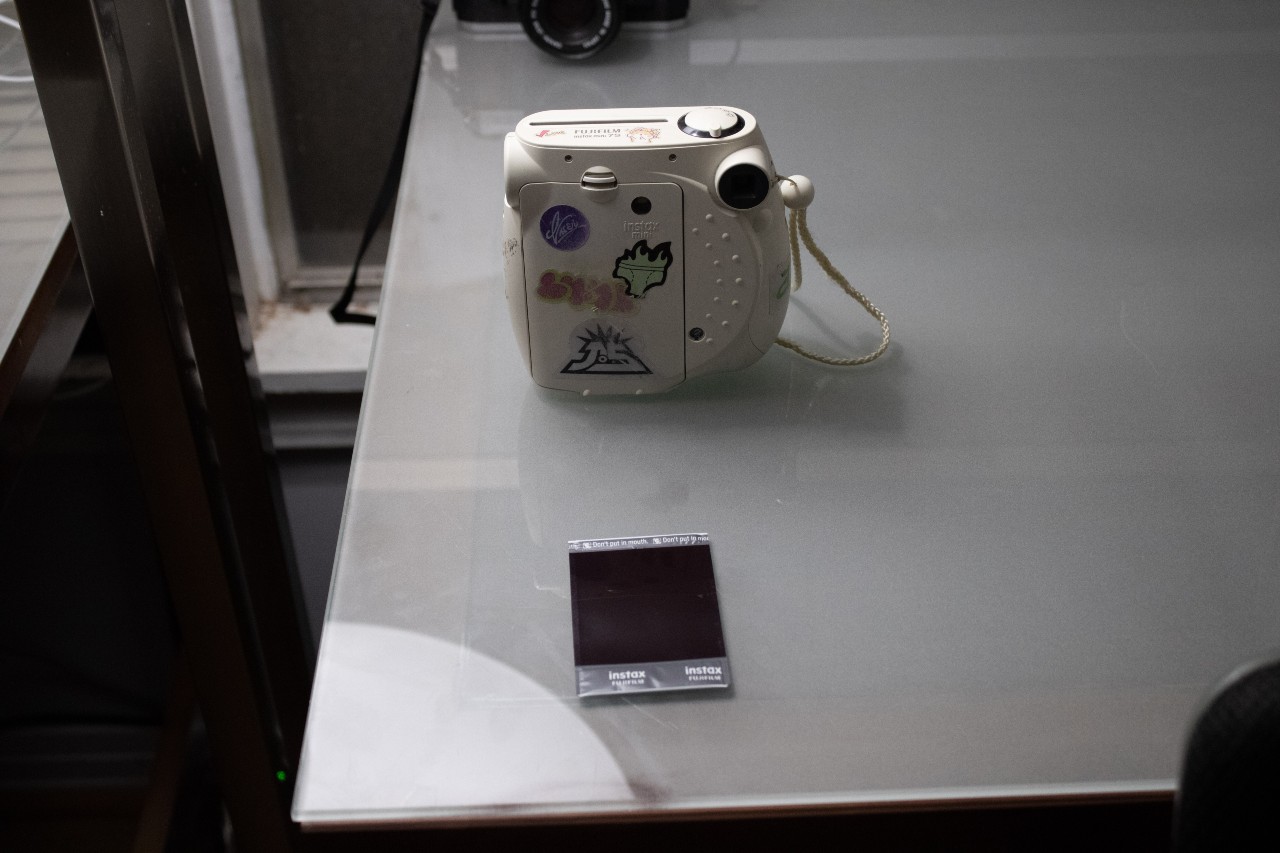
First we need to put film in! Film usually costs around $10 to $15 for one pack of ten sheets. To put the film in, open the back of the camera and place the yellow side of the film to where it aligns where the yellow is on the camera. After the film is secure, close the flap and you’re ready to go!

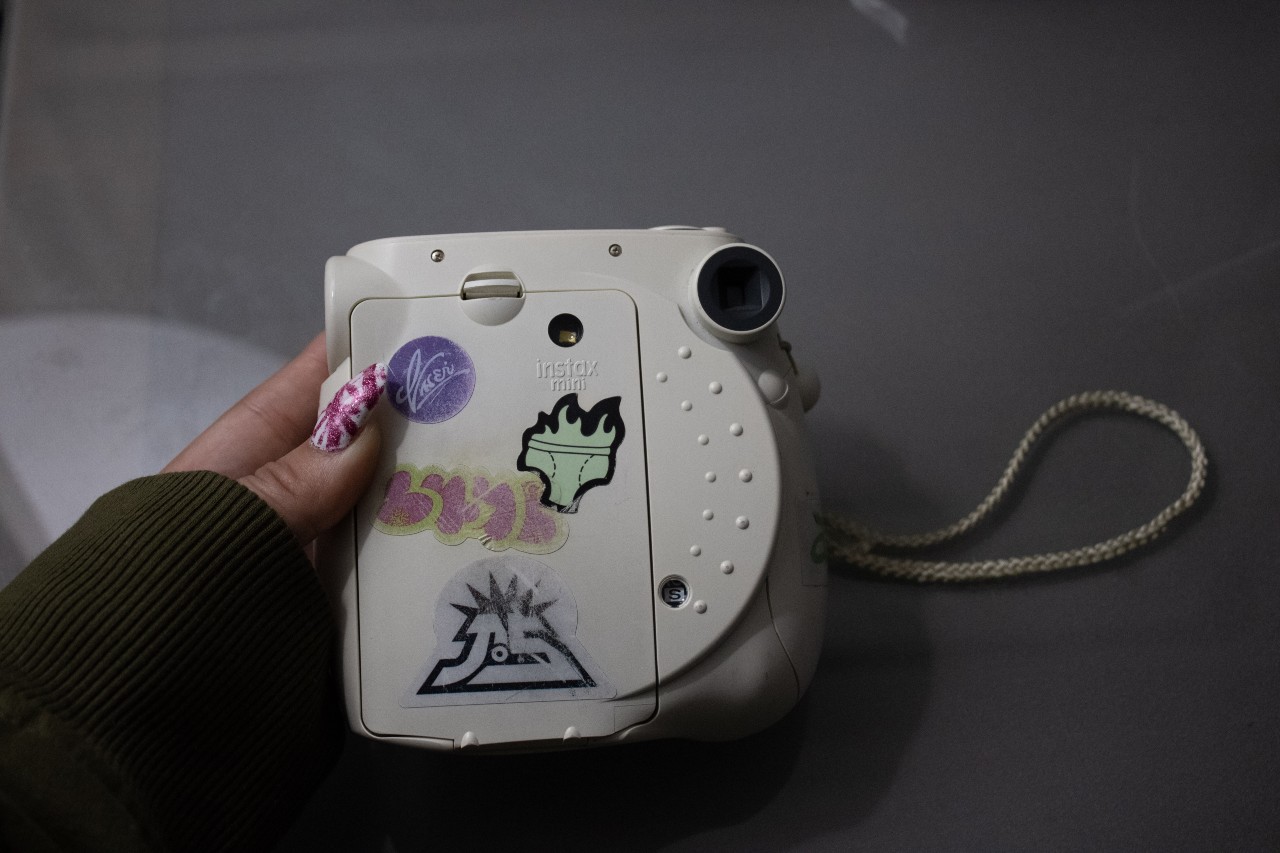
A lot of cameras are different as to how they turn on but mine turns on by pulling out the lens. After turning on the camera, choose what setting you’ll need. Since I was inside a building, I chose the home setting. My camera has four settings and each of them do different things for contrasting lighting. The house is for artificial light and the others are for natural light at different times of day. The cloud is for when it’s cloudy, the sun with eight rays is for morning or evening since that is when the sun is starting to come up and down and the brighter sun is for afternoon when the sun is out and shining.

Once everything is set up with your camera, make sure your subject is also ready. For a good photo, look through the view finder and ensure the subject is in focus and even.

The best photos are taken with thought

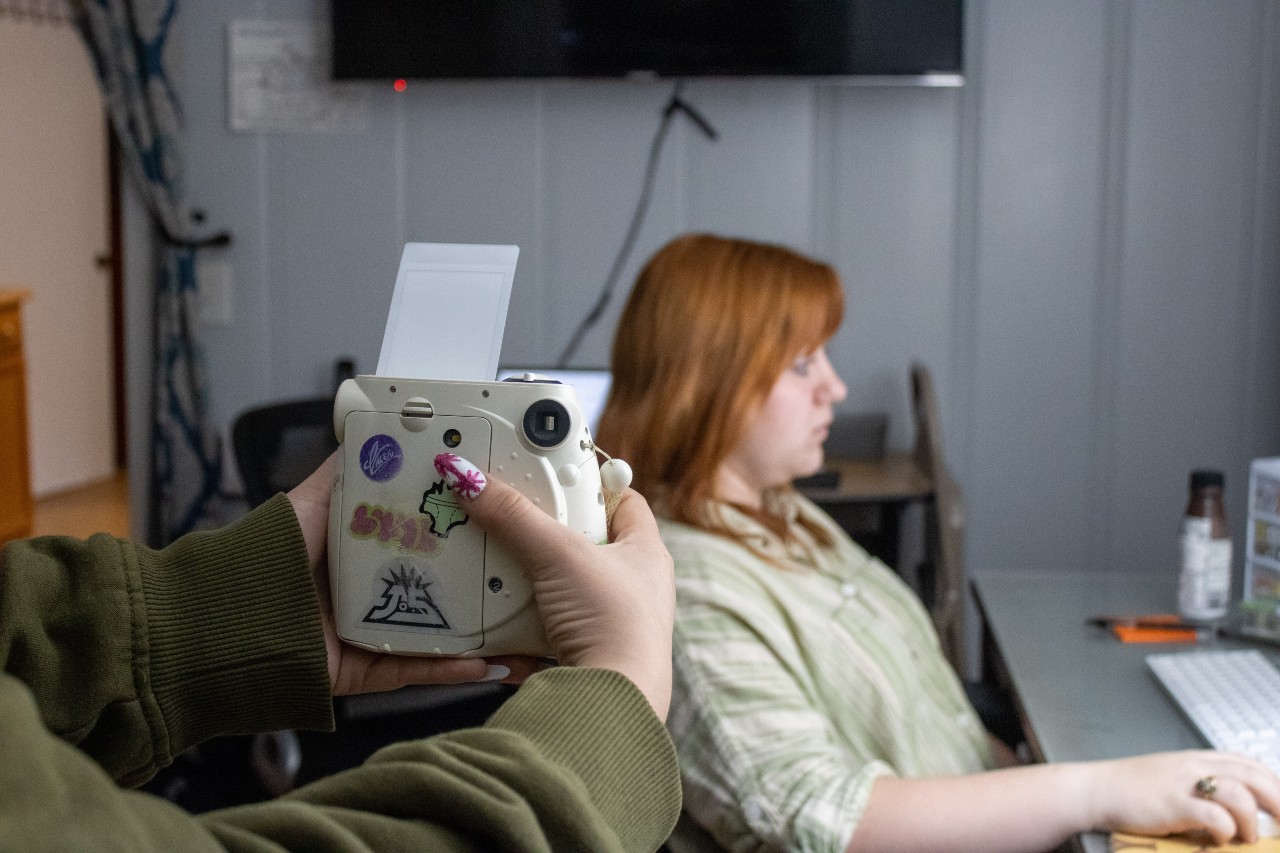
Before you take the picture, check for anything that might distract the viewer from the subject. If the picture is clear and ready to take, press the shutter button! After you take the picture, DO NOT SHAKE THE PHOTO!! Shaking the photo might result in bubbles in your photo so ensure that you DO NOT shake the photo.

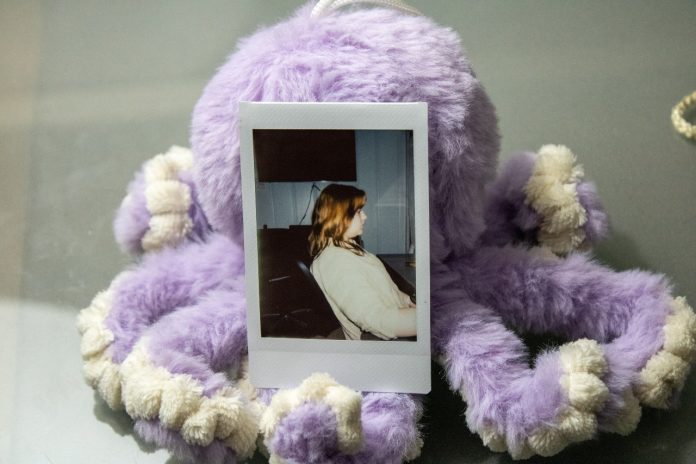
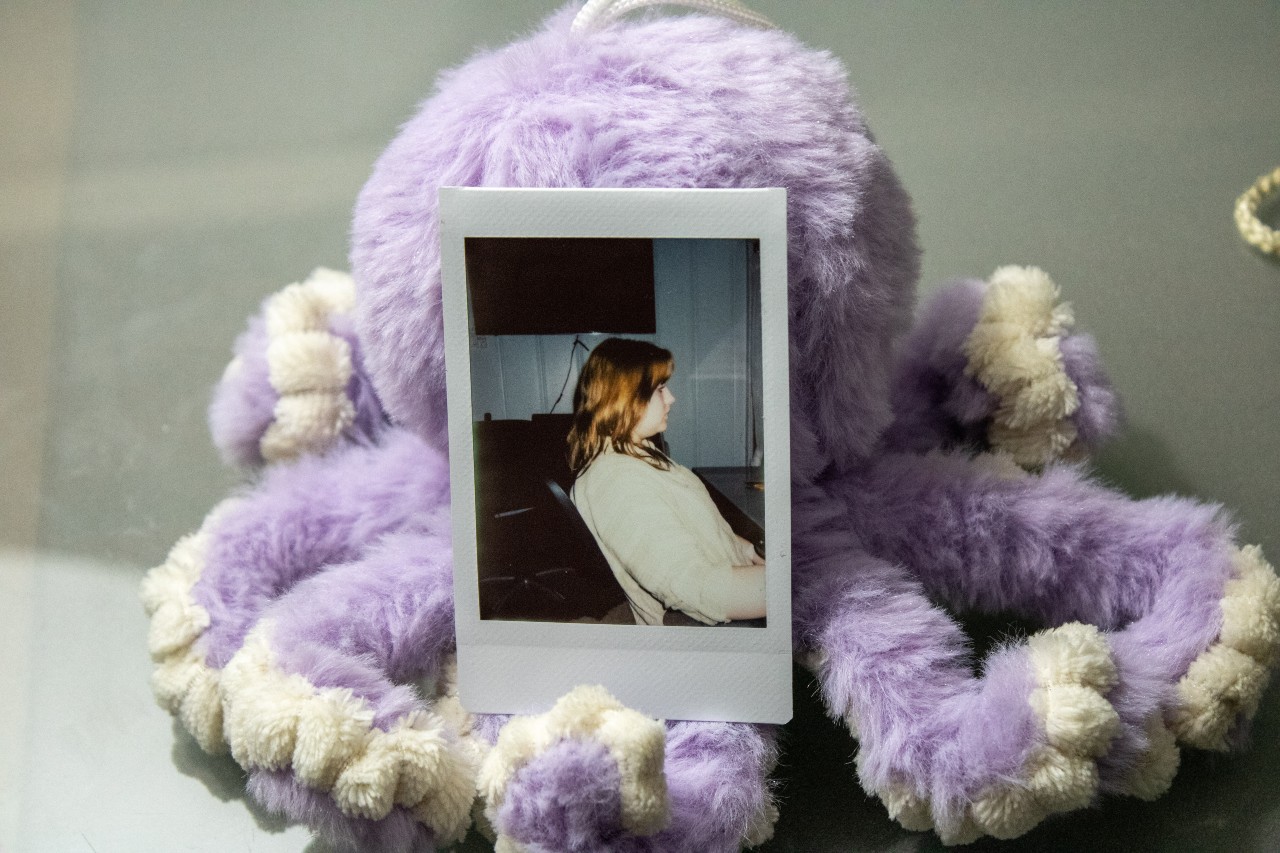
When the photo has come out, lay it flat, face down so that the picture can process and develop. Wait five minutes (if its a polaroid, wait 15 minutes) and then you’re done!! Now you can enjoy the picture and share what you have.

Dancing with Dinos: Naranjo Museum Gala

0

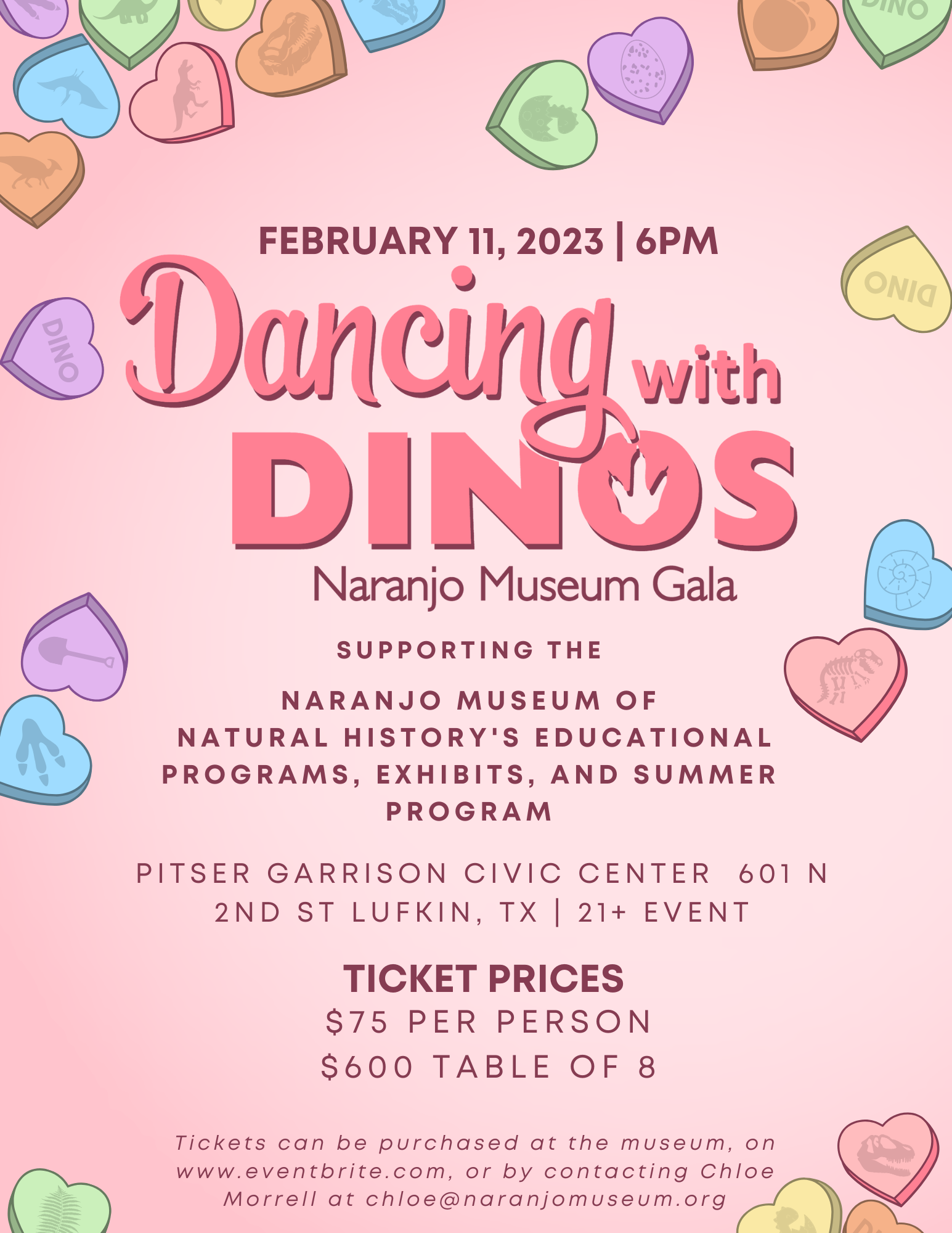
Save the date for February 11, 2023! Dancing With Dinos is a night filled with fun, so you don’t want to miss it!

According to Chloe Morrell, the Naranjo Museum of Natural History is a non-profit and Dancing with Dinos is their biggest fundraiser. All proceeds from ticket sales, sponsorships, and auction items go towards museum maintenance, artifact preservation, and educational programs. 

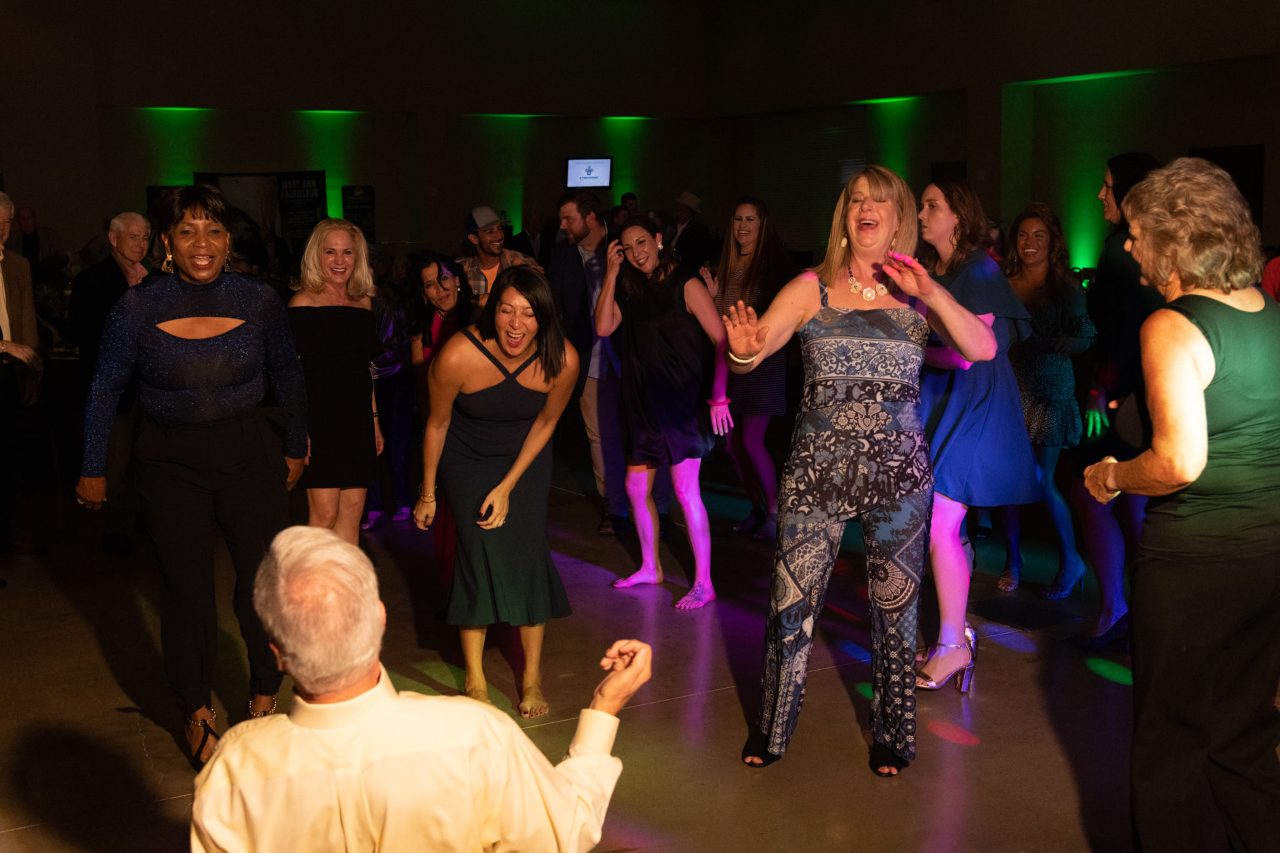
It is a night that you can bring your valentine to; a great evening full of delicious food catered by Tomé, a live DJ, Texas Size Selfie photo booth, dancing, and an open bar. An enjoyable event for a great cause!


The Naranjo Museum would love for you to attend Dancing with Dinos: Naranjo Museum Gala!

Tickets are $75 per person 

Tables (eight people) are $600

Tickets can be purchased on www.eventbrite.com, by calling the museum at (936)-639-3466, or contacting Chloe Morrell at chloe@naranjomuseum.org.