Home Blog Page 393

What Happens to the Brain when listening to Music?

0

We turn on the TV, check our social media, turn on the radio and all we hear is Coronavirus here, there, everywhere. For some people the constant reminder of a situation can add more anxiety and stress to the already overwhelming problem. 

There are various methods to relieve stress like going for a walk, reading a book or listening to your favorite artist on Spotify or iTunes but what exactly happens to the brain when we listen to music? What causes the stress relief besides simply saying “it makes you feel good and smile.” 

According to an article by the University of Nevada at Reno, music with around 60 beats per minute causes the brain to sync with the music and release alpha waves the same types of waves that are present when we are relaxed. Some of us however like to put one our headphones and snooze off for a bit after a long day at work or school. In this case, it is recommended that we tone down the music to about 45 beats per minute to induce sleep. Researchers at Stanford University have said that listening to calming music can change brain function to the same extent as medication. The article from Reno can be found here. The article from Stanford can be found here

So, what kind of music is the best to relieve stress? How do we know if the music that we are listening to is 60 beats per minute or 45? The short answer: It is up to personal preference. Interestingly though Native American, Celtic, and Indian stringed-instruments, drums, and flutes are very effective at relaxing the mind even when played moderately loud. And for all of the nature lovers out there who enjoy listening to rain, thunder and the like, mixing it with some light jazz or classical can be just as effective. 

One that note, we also don’t want to be ineffective while trying to de-stress. This means don’t force yourself to listen to something that you don’t like. This can have a negative effect and cause tension instead of relieving it. The golden rule is this:, you must first like what you are listening to before it can have any sort of positive impact on how you are feeling. 

There are plenty of music streaming providers out there such as Pandora, Spotify or iTunes to name a few so on your down time take a few minutes and scroll through some playlists and find what you like or try something new to relax. Stay Positive!

Governor Abbott Launches Small Business Webinar Series

0

Governor Greg Abbott’s Office of Economic Development and Tourism (EDT) yesterday launched the Governor’s Small Business Webinar Series to provide Texas small business owners and entrepreneurs with timely, relevant, and actionable information on COVID-19 recovery resources. The first webinar, specifically tailored to Central Texas, was attended by over 3,000 Texans. The Webinar Series takes the place of the Governor’s Small Business Series events that were postponed due to COVID-19.  

The Governor’s Small Business Webinar Series for Central Texas was held in partnership with the Greater San Marcos Partnership, Greater Waco Chamber and Kerr Economic Development Corporation. Additional regional webinars will be held throughout the months of April and May and announced on the EDT website in the coming days.

The Governor’s Small Business Webinar Series covers a variety of resources available including information on programs offered by the U.S. Small Business Administration that may be of assistance to Texas businesses impacted by COVID-19. Businesses can also connect with local experts and support systems. Featured speakers include area Small Business Development Centers and other resource providers based on the needs of the communities covered in each webinar. The Governor’s Small Business Webinar Series is held in collaboration with local economic development organizations and supported through a partnership with the Texas Workforce Commission.  

Yesterday’s webinar is available for playback here.

Mortgage Relief and COVID-19 Scams: What You Need to Know

0
(c) Tero Vesalainen / iStock via Getty Images Plus

Unfortunately, during times of hardship, families are often targeted by fraud artists attempting to take advantage of those needing assistance. The COVID-19 crisis is no exception, with many scammers pretending to extend a critical lifeline to struggling homeowners through so-called “foreclosure rescue fraud.”

According to the Federal Home Loan Mortgage Corporation (Freddie Mac), this scheme involves bad actors offering false promises of being able to save your home from foreclosure. Common elements of this fraud include the following:

• Requiring you to sign over the title to your home.

• Asking you to sign unfamiliar documents and/or share your personal information.

• Charging you rent to stay in your home and/or potentially promising that you can purchase your home back when your financial situation improves.

Another common fraud involves a third party guaranteeing you a loan modification with a reduced mortgage payment. Such scams may operate similarly as foreclosure rescue fraud, as fraudsters collect an upfront fee and promise to work with your loan servicer on your behalf.

So- what can you do to protect yourself?

• Don’t disclose. Never provide your information via phone or internet until after you have verified the caller or company’s identity.

• Be suspicious. If someone has contacted you asking for personal or sensitive information, do your homework to verify the validity of the request before providing any information. Contact your servicer (the company listed on your mortgage statement) and confirm that they called you asking for information.

• Spot imposters. Scammers across the globe can make any name or number appear on your caller ID or email. Protect yourself from spoofing by letting calls go to voicemail first. If a call is important, the caller will leave a message. If you do answer and it is a robocall, don’t press any numbers. Just hang up.

• Report fraud. Freddie Mac will never reach out to offer a refinancing opportunity or new loan over the phone. If you have been contacted by someone claiming to represent Freddie Mac, you can report it by visiting sf.freddiemac.com/working-with-us/fraud-prevention/feedback.

While there are fraudsters out there offering false promises, know that there is real assistance on offer during this crisis, too. Contact your loan servicer to discuss your options. If Freddie Mac owns your mortgage and you are a homeowner unable to make you mortgage payments due to a decline in income resulting from COVID-19, you can learn more about available mortgage relief options by visiting MyHome.FreddieMac.com.

Your family’s health is no doubt top-of-mind these days. However, it’s also important to remember that fraudsters are out in full-force, making your financial vigilance a crucial priority as well.

-Statepoint

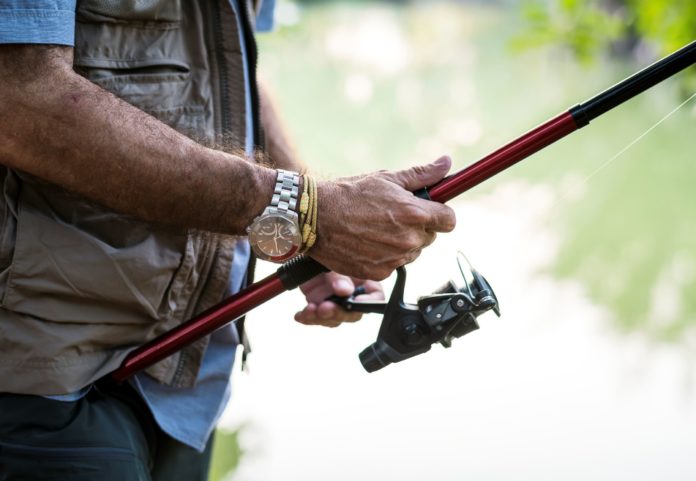
Pineywoods Region Fishing Report- 4/16/2020

0

The weather in deep east Texas has been excellent this week- And while we are still living under certain social restrictions, weather permitting, this weekend may be a good one to get out and get some reel time in!

While most public parks and all state parks have closed, lakes in our region do remain open, with the caveat that you still maintain a safe distance from others. Before setting out, do call ahead to ensure that boat slips are still open for public use.

B.A. Steinhagen

GOOD. Water stained;73 degrees; 0.58’ low. Largemouth bass remain good with topwater, worms, and spinners fishing creek structures and cove points. Crappie couldn’t be better by fishing in shallow structures with minnows. Catfish are good on cut and prepped bait coming out of the river.

Bob Sandlin

EXCELLENT. Water lightly stained; 67-72 degrees; 0.77’ high. Black bass are excellent on square billed crankbaits, plastic lizards, and topwater baits in shallow (1-3’) and deeper (7-12’) water. Crappie are excellent on jigs and minnows in creeks fishing 1-2’ with fish caught in 12-20’ around brush piles and submerged structure. Catfish are excellent on cut bait in 6-18′.

Caddo

EXCELLENT. Water lightly stained; 67-71 degrees, 2.06 high. Largemouth bass are excellent in shallow water spawning in trees and cover in 1-4’ fishing plastic darker colored creatures, frogs, and crankbaits. Crappie are good on minnows and jigs in brush piles and submerged structure. White bass are good on jigs and small crankbaits in the main lake. Chain Pickerel are fair. Catfish are excellent on prepared bait and live bait in 8-18’.

Conroe

GOOD. Water stained; 74 degrees; 0.26’ low. Largemouth bass are good consistently performing on topwaters, soft plastics, and spinners. Crappie are good on minnows and jigs. Hybrid striped bass remain slow. Catfish are good on stinkbait and cut bait. Sunfish are fair with live worms or crickets in shallow water.

Fork

GOOD Water lightly stained; 63-66 degrees; 0.00’. Largemouth bass are excellent on plastic lizards, topwater, and chatter baits and frogs for spawning fish in shallow areas with some fish holding on post-spawn areas such as roadbeds, submerged structure, and points in 8-12’. White and yellow bass are good deeper water off main lake points and humps. Crappie are good on jigs and minnows in 12-25’. Catfish are good on cut bait and punch bait in 10-20’.

Houston County

GOOD. Water clear to lightly stained; 73-75 degrees; 0.30’ high. Black bass are good on Junebug colored worms 2-3 feet from the surface on the south side of the dam. Some catches have occurred in 2 to 5’ of water using watermelon red weightless worms and flukes. Crappie are excellent, limiting out off the southeast points using live minnows. Catfish are good on live perch from piers, and using trotlines with 3’ to 15’ hooks in 20 feet of water for ops at 30 and 22 pounds each, and 15 blue cats from 3 to 8 pounds each using 3” perch.

Lake O’ the Pines

GOOD. Water stained; 66 degrees; 6.03’ high. Largemouth bass are fair on crankbaits, topwater baits and Texas rigged creature baits in shallow coves for spawning fish and 8-14’ for post-spawn bass. Crappie are good on minnows and jigs in the timber areas 14-24’. Catfish are excellent on cut bait and blood bait in 10-16 feet of water.

Livingston

FAIR. Water lightly stained; 72 degrees; 0.30’ high. Black bass are good with several lunkers this past week. Fish creek openings, points, and ledged drops. Striped bass are fair. Crappie are good on minnows and jigs in most structures under 6 feet. White bass remain good on spoons. Catfish are fair on live baits.

Martin Creek

GOOD. Water lightly stained; 68 degrees; 0.21′ high. Largemouth bass are good on crankbaits, and TEXAS rigged worms in shallow coves 4-12’. Crappie are good on jigs and minnows in 12-18’. Catfish are good on cut bait in 6-15’.

Naconiche

GOOD. Water slightly stained;73 degrees; Largemouth bass remain good on spinners, crankbaits, and creature baits. All structures less than 10 feet have been successful. Crappie are good on jigs in shallow structures. Sunfish are fair on jigs and crickets. Catfish are good on dough balls, cut and live bait.

Raven

GOOD. Water stained; 74 degrees; Largemouth bass are good with Carolina rigged plastics, spinners, and jigs fishing drops, mid-depth points, and in creek structures. Sunfish are fair on crickets and cutworms among any shallow structure under 5 feet.

Sam Rayburn

FAIR. Water stained; 73 degrees; 0.35’ high. Largemouth bass remain good on points, in submerged vegetation, and shallow nests. Topwater has been the most improved bait. White bass are fair with minnows. Crappie are excellent on minnows and jigs catching limits. Catfish are good on live and stinkbait.

Toledo Bend

FAIR. Water slightly stained; 72 degrees; 0.31’ high. Largemouth bass are good with vegetative cover. Striped bass are fair on humps and deep water. White bass are fair similar to largemouth locations. Crappie are good on minnows in structure. Channel and blue catfish are fair on stinkbait. Louisiana is not allowing fishing due to Covid-19, so ensure your trip is on the Texas side of Toledo Bend.

Tyler

EXCELLENT. Water clear; 67 degrees; 0.97’ high. Black bass are excellent on Carolina rigged creature baits as well as spinners and jigs fishing dock structures and natural shorelines in creeks and coves. Crappie are excellent on jigs and minnows. Catfish are excellent on stinkbait and live baits. White bass are good in 25’.

Wright Patman

FAIR. Water stained; 64 degrees; 12.59’ high. Largemouth bass are slow on worms and jigs working creeks and coves. White bass are good on spoons and jigs. Crappie are fair on jigs in creeks. Catfish are good on cut bait, live bait, and stinkbait.

Courtesy of Texas Parks and Wildlife

The Business of Art: SFA student lands graphic design scholarship

0

Sarah Bone listened to her father’s advice. Himself an artist, he told her to do what she loved, and to figure out a way to make a career out of it.

The younger Bone, a lifelong creator of art and a graphic design major, figured out how to put dad’s advice into action. She switched her major to a Bachelor of Arts, a move that gave her the option to add a minor in marketing from the Stephen F. Austin State University Rusche College of Business.

The subtle shift in academic direction is working out fine. Bone just received a $5,000 Skyline Displays of Houston Graphic Arts Education Scholarship for the fall semester through the Advertising Education Foundation of Houston. The nonprofit awards scholarships to those working on undergraduate or post-graduate degrees in advertising, communications, interactive marketing, journalism, radio/TV, commercial art, public relations or related fields.

For Bone, who spends the better part of her days in the Adobe Creative Cloud with Illustrator, InDesign and Photoshop, the scholarship opportunity was low-hanging fruit that had to be picked. She was encouraged to apply at the behest of marketing professor Dr. Marlene Kahla and graphic design professors Peter Andrew and Daniel Anguiano – a clear indication that business and art can work hand in hand.

While Bone still enjoys the fine-arts side of her life, she’s increasingly interested in marketing and advertising, the work she said will give her a salaried foothold in the workforce after graduation. So far, dad’s advice to Bone, backed by her advisors, has proven sage. All that remains is for Bone to make good on all of it.    

“I feel blessed to have been chosen for the scholarship, and want to make everyone who got me there proud,” Bone said.

To view Bone’s portfolio, visit https://sarahnbone.wixsite.com/mysite-1/portfolio.

–Courtesy of Stephen F. Austin News and Media Center

Senator Nichols Announces Sales Tax Holiday for Emergency Supplies

0

Senator Robert Nichols (R-Jacksonville) announces the upcoming Sales Tax Holiday for Emergency Supplies, which will be held on April 25-27, 2020.

“This holiday provides an opportunity for Texans to prepare, as they are able, for the strong spring storms our state often sees this time of year, potential wildfires and the upcoming hurricane season,” said Nichols.

There is no limit on number of qualifying purchases a person can make. These include, but not limited to:

  • Portable generators (less than $3000)
  • Hurricane shutters (less than $300)
  • Axes
  • Batteries, single or multipack (AAA cell, AA cell, C cell, D cell, 6 volt or 9 volt)
  • Coolers and ice chests for food storage – nonelectric
  • Fire extinguishers
  • First aid kits
  • Fuel containers
  • Light sources – portable self-powered (including battery operated)
    • Examples of items include: candles, flashlights and lanterns
  • Radios – portable self-powered (including battery operated) – includes two-way and weather band radios
  • Smoke detectors
  • Tarps and other plastic sheeting

All Texans are encouraged to practice social distancing when taking advantage of this tax holiday, and purchase items online when possible.

To find more information about what does and does no qualify for the Sales Tax Holiday for Emergency Supplies please visit http://www.comptroller.texas.gov/taxes/publications/98-1017.php.

A Very Present Help

0

How much change have you gone through in the past few weeks? Think about it: your routine of getting dressed, out the door, off to school, and off to work has been completely altered. The schedule is different with an overwhelming amount of free time. And all of the places we’d go to fill up that time are now empty.  

I went from completing my last semester on campus where I had connected with an amazing group of writers to now connecting through chats and reading material online on a totally different schedule. My office moved to my desk where I did my homework. The mower is broken, and the grass is growing. The friendly Walmart employee hands me a number so I can get my groceries. Oh, and add a five-month-old puppy to this level of change, and you get me. Now responsible for another in a time when I am stressed over how I will take care of myself.  

For some, anxiety is a depilating worry and downward spiral, shortness of breath and sweaty palms. And it’s scary. I’ve been there. When so much change is thrown at me and I lose my control, the anxiety produced a Hulk like anger that I felt I couldn’t unleash. It was still slipping out though. I yelled at the puppy. I yelled at me. I hit the steering wheel when the light wouldn’t change fast enough. I snapped at my very gracious mother. I sighed constantly. The burning in my soul was threatening to break the levy of patience and peace I had built. I was afraid of what I would do to myself or to someone else. And I felt I had nowhere to go. I mean, we have a curfew now and gathering is limited to ten people, and the government wants us to stay home. So, where could I go? 

Who would understand what I felt?  

What would they think of me? 

I lift my eyes toward the mountains. Where will my help come from? My help comes from the Lord, the Maker of heaven and earth. (Psalm 121: 1-2) 

I prayed, I waited. I prepared to start counseling again. Then I sat on my neighbor’s porch, drinking coffee (while six feet away) and asked them a question about managing teams. I began with, “I’m so scared right now and it’s causing an unbelievable amount of anger. I don’t want this to affect them.”  

My neighbor raised her hand. I sat there, momentarily stunned in disbelief. Then I began to talk about my symptoms. I don’t have control so I’m lashing out and I’m worried about my parents still going in to work and my firefighter/paramedic brother and my niece and nephew and I stomp around demanding change but powerless to do anything about it. 

My neighbor smiled. “Welcome to the club.” 

Maybe you, like me, look for help outside the circle of friends and family God has given us. Maybe out of fear of how it will change their perception of you. Maybe out of fear of sharing an imperfection.  

We tend to look so far away for help. David was looking to mountains and hills, landmarks we can see from a distance. It’s not wrong to seek help from outside sources, and sometimes, it’s necessary to do so. In the midst of the storm, when there is no peace, it can be easy to forget that help is sometimes as close as a video chat, or the porch next door. David had that epiphany in the next verse. He reminds us that our help comes from the Lord, the one who put the mountains and the hills as landmarks to His faithfulness and goodness. He is with us, in us. And He has put people in our lives, like next door neighbors and online friends to remind us that the help we need is so very close.  

In the midst of our anger and fear, worry and doubt, let’s remember we are not alone. He is indeed a very present help in times of need. The grass and the flowers and the trees all remind us of His goodness. Testaments to His care over us are all around us.  

A Pineywoods Rolls Out Hazard Pay Program

0

Today, A Pineywoods Home Health Care announced enhanced investments in their healthcare workers by offering hazard pay, childcare reimbursement and paid sick leave. Healthcare workers increase risk of exposure while in the line of duty caring for patients. Delivering the best care to patients involves recognizing those that are providing the care. 

The novel disease COVID-19 requires extreme sacrifices of millions of essential workers, especially those in the healthcare industry, who keep the country running by performing “essential” jobs. The health and safety of these workers and their families are put at risk each time they leave their homes for work. 

“Neal and I want to express our appreciation to our staff, both field clinicians and office staff for working so steadfastly during this tough time, especially our clinicians and providers that are going into the field,” state A Pineywoods owners, Neal and Mary Ann Naranjo, “they are making sacrifices everyday by going into the field and we want to make a tangible expression of how much we appreciate the devotion they have to care for patients and those in need.”

Many of the items A Pineywoods is putting in place are not required at the federal, state, or local level but being able to show additional value to those that are caring for some of the most vulnerable patient population is the type of core values we want to continue to show during times of success and tribulation. It’s easy to lead when things are going well, but how you treat your employees during uncertain times will be remembered for years to come. Our tiered hazard pay system will include: stipends based on the amount of risk assessed by exposure and job classification, childcare reimbursement to assist with the closure of schools and daycares, and paid sick leave due to exposure, symptoms, or caring for a sick child.

“We are proud to lead locally on the creation of policies that support our essential healthcare workers. Budgets are moral documents, and we believe in the personal and financial value of our nurses, therapists and caregivers, who risk exposure by caring for our over 1700 patients. We are thankful to work with our local SBA lending bank to support our staff, and call for additional state and federal resources so that larger organizations can join us in offering hazard pay, sick leave, and childcare benefits to their frontline healthcare workers.” said Katie Naranjo, CEO at A Pineywoods Home Health Care and Home Care Services.

Protocols have been put in place for COVID-19 to enhance the safety of staff and patients that are being cared for in their homes; enabling vulnerable citizens to remain at home and have the care necessary to manage their health conditions. Increasing safety protocols and wearing the necessary personal protective equipment (PPE) brings a sense of physical security while offering increased stipends for risk exposure gives more financial security. The health and safety of staff is paramount and that goes beyond physical considerations to include mental and financial health.

Kerri Griffin, A Pineywoods Home Health Administrator, states “I am very thankful for our staff that care so much for our patients and are persevering on the front lines during this pandemic while coping with the struggles of childcare and school closures, family illnesses, and financial hardships. A Pineywoods staff is not just a group of co-workers, we are family. I am happy that we are able to offer our employees: adequate PPE per CDC guidelines, childcare assistance, paid sick leave, and hazard pay during these difficult times. We appreciate our staff and the care they provide and want to be of service to them while they serve our community.”

2020-2021 Drug-Free All Star Applications Now Available!

0

Attention Angelina County high school juniors! Applications for the Drug-Free All Star program are now available.  Drug-Free All Stars serve as drug, alcohol and tobacco-free role models to the community and promote healthy living for Angelina County residents.  All high school juniors that are passionate about being drug, alcohol and tobacco-free are eligible for the program. The application can be accessed on The Coalition’s website at www.angelinacoalition.org/youth. The deadline for applications is Sunday, May 31st. For more information on the Drug-Free All Stars, visit The Coalition’s website or social media channels @thecoalition936, or contact Abby Baker at abaker@angelinacoalition.org.

For over 30 years, The Coalition has focused on eliminating the use of harmful substances by affecting public policy, laws, attitudes and behaviors, all in an effort to foster healthy life-long choices for the local community. Since the inception of the Drug-Free All Star program, The Coalition has trained over 1,400 youth as drug, alcohol and tobacco-free leaders in the community.

SFA Counseling Clinic offering free teletherapy during pandemic

0

NACOGDOCHES, Texas — The Counseling Clinic at Stephen F. Austin State University is accepting new clients and temporarily waiving all fees during the COVID-19 pandemic.

Though in-person appointments aren’t possible as SFA students shelter in place in their hometowns and residents in Nacogdoches County follow stay-at-home orders, the clinic is helping clients by phone and Zoom from 8 a.m. to 6 p.m. Monday through Thursday. Appointments on Fridays and after 6 p.m. Monday through Thursday also can be made by calling (936) 468-1041.

The Counseling Clinic is part of the Department of Human Services and Educational Leadership in the James I. Perkins College of Education at SFA. It assists SFA students and community members while training graduate students who are in the practicum and internship portion of their education. These graduate students provide counseling services to clients under the supervision of licensed counselor education faculty members.

Counseling Clinic services include individual, parent and child, couples, family, and group therapy, as well as career planning and development.

Clients contact the clinic for help with issues that include anger management, anxiety, career counseling, depression, divorce, employment-seeking skills, grief, life adjustments (for example, homesickness), marriage counseling, parenting, problem-solving, social skills, stress management, substance abuse, test anxiety and time management.

Despite the anxiety and stress caused by the COVID-19 pandemic, fewer people are calling the clinic for help, according to Nashae Turner, director of the Counseling Clinic.

“We’ve seen a decrease in requests for services; however, I believe there is an increase in need,” Turner said. “Those who need it are not aware we are available or are unaware that we’ve found ways to work around barriers.”

These barriers include limited or no internet service, inexperience with video conferencing technology, lack of privacy as family members shelter in place together and share equipment, and Health Insurance Portability and Accountability Act regulations.

“Because we are an instructional clinic, the sessions are all observed either live or on video,” Turner said. “Due to HIPAA regulations, we are unable to record Zoom sessions, so I or other faculty members must sit in on the sessions to monitor graduate students.”

Clients are informed of this policy when they attend sessions in person at the Counseling Clinic, but “they’re not actually aware when it is going on,” Turner said. “With Zoom, they can see when we are monitoring, and that can be uncomfortable for many clients.”

Turner wants to assure community members and SFA students that they can still get the help they need from the clinic.

“I am working closely with Dr. Robbie Steward, the department chair; Dr. Wendy Killam, the Master of Arts counseling program director; and Dr. Leigh Kirby, training director, to stay connected with our community member and student clients while assuring continued compliance with HIPAA and the Council for Accreditation of Counseling and Related Educational Programs training standards during this pandemic,” Turner said.

“We have been able to continue services for most of our clients through Zoom, and we are pleased with the institution’s support in making all required accommodations associated with COVID-19 so that our service delivery might continue.”

Once the pandemic is over, the Counseling Clinic will return to its usual fee system. The first five sessions are free for students and community members. Starting with the sixth visit, costs for community members are determined using a variable fee scale based on gross family income and family size ($5 to $20 maximum per service). SFA students pay $5 per service.

For more information, call the Counseling Clinic at (936) 468-1041.

  • Jo Gilmore, marketing communications specialist- April 15, 2020