Home Blog Page 479

The Coalition’s Drug-Free All Stars Attend Statewide Retreat

0

Three Angelina County Drug-Free All Stars and a youth representative from The Coalition traveled to the Texans Standing Tall Youth Leadership Council retreat in Wimberley, TX where they were able to attend a 3-day (June 8-11) training on communication, leadership and the process of creating change pertaining to underage drinking, alcohol excise taxes and other harmful substances. The Youth Leadership Council is a youth workgroup that  is made up of youth from around the state who are dedicated to being alcohol-free, tobacco-free and drug-free. The students who are part of the council are Amy Tang from Lufkin High School, Emily Hottman from Huntington High School, Lauren Oliver from Zavalla High School and Katy Turner.

Over the past 30 years, The Coalition has focused on eliminating the use of harmful substances by affecting public policy, laws, attitudes and behaviors, all in an effort to foster healthy life-long choices for the local community. For more information, please contact The Coalition at (936) 634-9308 or visit www.angelinacoalition.org

Weather Forces AC Baseball Evaluation Camp Cancellation

0

Inclement weather in the area has forced Angelina College Baseball to cancel its evaluation camp previously scheduled to run on Wednesday, June 20 at Roadrunner Field on the AC campus.

At present, there is no reschedule date. Those who have already pre-registered will receive notification from AC’s Community Services division regarding a refund. For further information, contact head coach Jeff Livin at jlivin@angelina.edu.

4 Top Tips to Battle Summer Colds

0

Warm, sunny weather doesn’t mean the risk for catching a cold disappears. Unfortunately, colds can happen at any time of year and can really ruin much anticipated summer plans.

To stay healthy and help beat the common cold this summer season, consider these tips from Dr. Nesochi Okeke-Igbokwe, a New York City-based physician and health and wellness expert:

• Maintain good sleep hygiene. Are these long summer evenings tempting you to burn the candle at both ends? Don’t give in! Maintaining good sleep habits can ultimately help keep your immune system in check. Adults should sleep at least seven to nine hours every night to achieve improved health outcomes. If you uphold a good sleep routine, it will enable you to sleep well throughout the night and obtain the recommended amount needed for stronger immunity. Remember that sleep deprivation weakens your immune system and increases the likelihood of picking up infections.

• Keep moving. It’s essential to integrate some form of exercise into your daily life. Beyond benefits like improved cardiovascular health and weight maintenance, those adhering to regular exercise regimens tend to be healthier overall and may potentially experience fewer colds yearly. Indeed, routine physical activity helps to boost your immune system. Luckily, the summer is the perfect time to keep moving, but remember to stay hydrated in the heat.

• Eat right. Back-to-back BBQ parties? What you eat really matters. Avoid the tempting junk food and highly processed food that can negatively impact your health. Also, never underestimate the benefits of sticking to a well-balanced nutrient- and antioxidant-rich diet in general. Your diet should include vitamin-rich cruciferous vegetables, fresh fruit, fish containing omega 3 fatty acids and other superfoods that can boost your immune system and help you recover faster in times of illness.

• Fight the cold. If you do experience a summer cold, seek out an over-the-counter solution that helps you fight through your symptoms, such as Mucinex DM, which offers the convenience of not having to retake medication every four hours. It is a bilayer tablet that has one layer that releases quickly and another layer that provides extended release that lasts for 12 hours. Stock up on it year-round to be prepared for the next time cough and chest congestion symptoms hit.

Find out more health tips on how to combat the common cold at Mucinex.com.

Don’t take summer colds lightly! A few smart strategies can help boost your wellness and allow you to enjoy a healthier season on the go.

-Statepoint

What You Need to Know Before Firing up the Grill

0

Summer is officially here and with seven in 10 U.S. adults owning a grill or smoker, according to the Hearth, Patio & Barbecue Association, for many, that means it’s time to cook up mouth-watering dishes and invite friends and family over for a barbeque.

But be careful. Grill fires are all too common. Before starting up the grill, make sure that you’ve taken the following precautions to keep the place you call home safe.

• Landlord Knows Best. If you’re a renter, before you even consider grilling, check with your landlord to see if it’s allowed. Oftentimes apartments don’t allow gas grills on balconies due to state fire codes. Even the 39 percent of renters living in single-family homes may be prevented from grilling if there are neighbors living close by or there isn’t a patio or outdoor space. Know the rules. If you’re not allowed to have a gas grill, consider alternatives like an electric grill or a community grill in a common area.

• Too Hot to Handle. Grill fires can start in a number of ways, including dirty grills, grilling too close to something that could catch fire and leaving the grill unattended. To prevent a fire, clean the grill after each use. Always keep it a safe distance from your building (at least 10 feet) and away from trees. Place the grill on a solid surface that can’t burn, such as concrete or asphalt. And never walk away from the grill while cooking, as a spark or small flame can easily spread.

• Safety First. Keep safe by getting equipped with tools and knowledge. Use long-handled spatulas, wear flame-resistant mitts and never wear loose-fitting clothes near an open flame. If you’re using a gas grill throughout summer, check it periodically for leaks. And keep baking soda or a small fire extinguisher nearby, since attempting to put out a fire with water will only cause the flames to flare up. Also, remind everyone of that life-saving rhyme “stop, drop and roll” to remember what to do if you catch on fire.

• Have the Right Insurance. As a homeowner or renter, even if you take precautions, accidents do happen, so make sure you’re properly covered for the summer grilling season and beyond. According to Erie Insurance, a standard renters insurance policy can help cover you if you’re responsible for causing injuries or damaging other people’s property. No one wants to think about the worst-case scenario, especially when you’re planning a fun barbeque, but being protected is a way to give your family peace of mind. Plus, you can’t be too sure your neighbors are practicing safe grilling habits. Renters insurance can help protect you from costs resulting from their negligence, too.

This summer, kick back and enjoy your home’s outdoor spaces. Just be sure any grilling you do is done safely.

-Statepoint

Tips & Tricks for Pics at the Nacogdoches Public Library

0

The public is invited to bring their own mobile devices for a hands-on presentation on learning to take great pictures. Tips & Tricks for Pics will be offered Wednesday, June 20th at 5:30 pm for adults ages 18 years and older. The program is free, but registration is requested. Registration may be done in person, by calling 559-2970 or online through the library’s website at www.ci.nacogdoches.tx.us.

Wildlife on the Move: The Unhuggables at the Public Library

0

The Texas-based animal group, Wildlife on the Move, will bring their unusual animals and insects to the Nacogdoches Public Library for a program called The Unhuggables. The event will be Tuesday, June 19th at 10:00 am and will be held in the gym of the C.L. Simon Recreation Center. The program is free and no registration is required. For a complete listing of all summer programs, please visit the library’s website at http://www.ci.nacogdoches.tx.us/library.

How to Defeat Clogged Drains

0

Whether you’re a homeowner or a renter, clogged drains are likely to affect your bathroom and kitchen sinks every so often as a result of soap residue, hair and skin flakes, food particles, dirt and accumulated gunk.


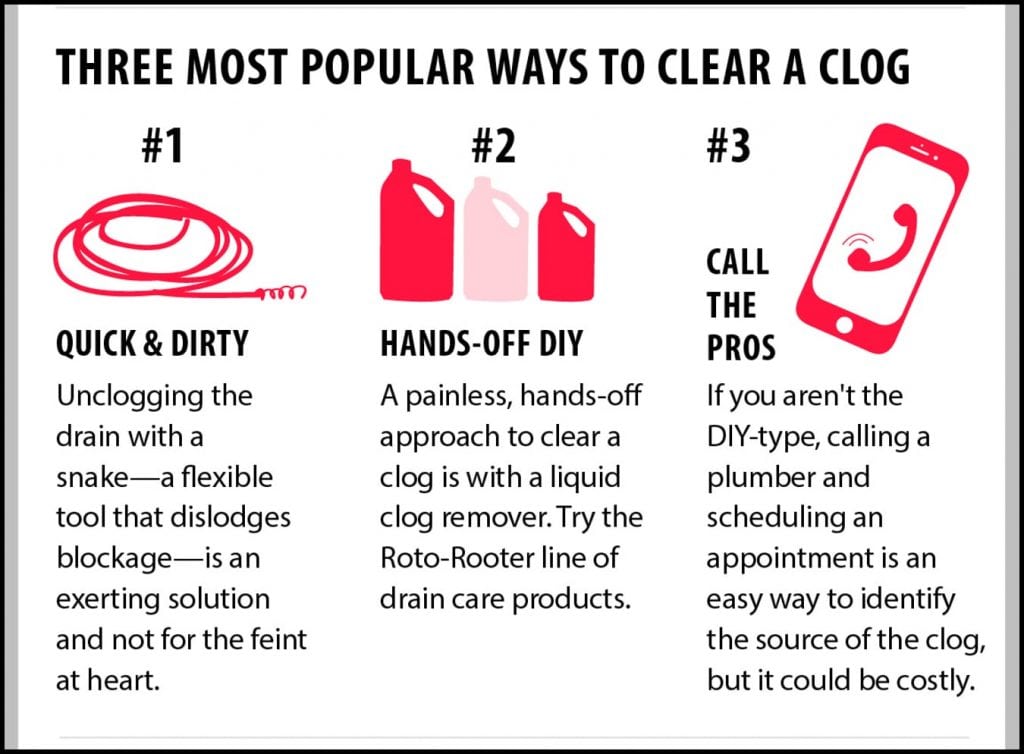
While you could call a plumber to address these issues as they occur, it’s often faster and cheaper to handle clogs on your own. What’s the best way to do it? Snaking the drain is one step you could take, but for a hands-free approach, consider using a liquid clog remover, such as those from the Roto-Rooter line of drain care products. For information about clogged drains and for simple DIY clog removal tips, visit rotorooter-products.com.

When drain blockages occur — and they will — consider reaching for the most expedient and affordable approach to clearing these obstructions.

-Statepoiny

Easy Ways to Boost Your Family’s Veggie Intake

0

Nutritious, delicious and low-calorie, vegetables should be the star player of all your meals. But sometimes providing veggies for your family can be time consuming and costly. Luckily, there are a number of simple ways to boost your veggie intake, and it all starts in your grocery store’s freezer aisle.

• Go frozen. Frozen vegetables are often one of the most affordable options and the quickest to prepare, reducing time spent slicing and dicing on busy weeknights. What’s more, by opting for frozen veggies, your family will likely reduce its food waste. Frozen vegetables are easy to store for long periods of time, and recent studies have found that freezing actually helps lock nutrients in.

• Swap it out: Little ones and even some adults can be resistant to certain vegetables at first. But there are ways to incorporate them into family meals with no one the wiser. Consider cooking with vegetables that offer the look, feel and taste of traditional starches such as rice, pasta and potatoes. For example, Green Giant’s frozen Veggie Swap-Ins line, which includes Green Giant Riced Veggies, Green Giant Veggie Spirals and Green Giant Mashed Cauliflower are easy go-to items in any kitchen for quick family meals. Indeed, 52 percent of American consumers who noted they had purchased Green Giant Swap-Ins products within three months of taking the survey, said they have introduced the product into their kids’ meals without their kids knowing they weren’t traditional potatoes, rice and/or pasta, and 49 percent admit to swapping these items for potatoes, rice and pasta 1-2 times per week.

• Be mindful: Dining out can be especially tricky territory for those looking to eat more vegetables. Be mindful of what you order. Read the menu carefully and ask questions. Many restaurants are happy to make substitutions to accommodate your preferences. For example, see if you can replace a side of fries with a garden salad or sautéed seasonal vegetables like green beans.

• Get creative: Whether you’re hosting a barbecue, attending a potluck or simply making your family dinner, consider reducing calories in salads and sides by upping your vegetable intake in these dishes. Make an Italian pasta salad out of zucchini or carrot spirals. Swap out traditional rice with riced cauliflower to make a simple pilaf. Create a tasty alternative to traditional potato tots with such products as Green Giant Veggie Tots. The possibilities are endless.

Are you looking to simplify your family’s clean-eating routine and increase your vegetable intake? With a few tips and tricks, you can incorporate broccoli, beets, squash and more into your family’s diet while saving time and money in the process.

-Statepoint

TxDot Urges Hurricane Season Preparedness

0

LUFKIN – Hurricane season officially began June 1 and will end on November 30. Motorists and residents should prepare now for any weather emergency that might occur during this time.

Residents should make a plan now and familiarize themselves on how to:

Receive emergency alerts and warnings;

Devise a shelter in place plan

Locate the evacuation routes should you need to leave your home

Make a communication plan for the entire family in case you are separated

“Everyone needs to be prepared for the unexpected,” said Rhonda Oaks, spokesperson for the Lufkin District. “During a storm, friends and family may not be together. We urge you to make a plan now whether you must shelter in place during a storm event, or prepare for the extra traffic we could see locally should a major hurricane occur and we see evacuees travel north in this direction.” If you are ordered to evacuate or live near an evacuation route, you should familiarize yourself with the route maps ahead of time. Major evacuation routes leading from the Gulf Coast through East Texas include US 69, US 59 and US 96. These maps can be found at txdot.gov and show detailed areas from Beaumont, Corpus Christi, Houston, Pharr and Yoakum. Also on this page, https://www.txdot.gov/inside-txdot/division/traffic/safety/weather/hurricane.html, you will find a listing that will link you to other emergency services, agencies, weather forecasts and even live traffic camera feeds.

East Texans are urged to keep an emergency kit of non-perishable foods and bottled water on hand, as well as extra gasoline, batteries, flashlights, candles, and a battery-operated radio in case of a power loss. Motorists are urged not to drive in a heavy rainfall event, but if it is necessary, reduce speed, buckle up and stay alert.

TxDOT crews will monitor the roadways for local flooding during all heavy rainfall weather events. Crews are prepared to work around the clock, if needed, to monitor roadways and advise motorists at flooded areas. If you approach a barricaded or flooded area, do not attempt to drive through the water. Turn around, don’t drown. It is illegal to go around TxDOT orange cones or barricades. In the case of local flooding, check [TxDOT%20Lufkin]TxDOT Lufkin on Twitter for local closures and alerts and the Texas Department of Transportation on Facebook for statewide information.

For more information, contact Rhonda.Oaks@txdot.gov or (936) 633-4395.

Growing Pears

0

When we purchased our current place in Clawson, the previous owners were gardeners and just west of our house is an old pear tree.

Pears can be some tough trees that work well in our landscapes. Many older homesteads seem to have had a firm fleshed canning pear tree in the yard. They are attractive trees, produce good fruit, have few management problems, and can last for years.

There are three basic types of pears grown in the United States. These are European or French pears, Oriental hybrids, and Asian pears. The European pears include such popular varieties as Bartlett, Bosc and D’Anjou that you’ll see in many grocery stores. Our east Texas environment and the prevalence of a bacterial infection called fire blight excludes them from all but far west Texas.

Oriental hybrids include such well-known varieties as Orient and Kieffer. This type is well adapted to much of Texas and accounts for most of the state’s pears. Oriental hybrid pears include varieties that range from coarse and gritty to smooth, buttery textures. Some varieties have dessert (fresh eating) quality that will rival the best European varieties. The more coarse textured varieties, such as Kieffer, are used primarily for home processing, including canning, preserves, pickled pears and baking.

The Asian pear, often termed “apple-pear,” is gaining increased attention because of its unique fruit. Asian pears are relatively new to Texas and adaptation is still being determined.

Across the state, pears are adapted everywhere but the southernmost part because of insufficient winter chill. Our humid eastern portion of the state often has severe problems with fire blight. If we are to grow excellent pears, we should plant only varieties with high fire blight tolerance.

Sandy soils are best, but pear trees can be grown in clay or heavy loam soils in most parts of Texas. The pear trees at my place that I mentioned earlier are above a shallow, red clay soil.

Full sun, all day long is required for maximum fruit production. Blessed by an abundance of tall trees, we need to choose an area of the yard in full or nearly full sun. Morning sunshine is particularly important for early drying of dew which will reduce the incidence of disease.

Most pear trees sold in Texas are budded onto Pyrus calleryana, a disease-resistant, drought tolerant rootstock. The Old Home pear is also used as a rootstock, and trees from nurseries outside Texas may be budded to this variety. Trees budded to either of these rootstocks are full-sized and usually long-lived.

Let it be said once more that in Angelina County, we must plant trees resistant to the bacterial disease fire blight.

Most available Oriental hybrid pears are tolerant of fire blight. Fruit of all these varieties are harvested firm and then ripened. Kieffer is the old standard, coarse-textured pear that is rated poor to fair for

dessert use but good for canning and baking. A consistent, heavy bearer that ripens late September-October. It has been recommended in the past because of high fire blight resistance, but varieties with much better dessert quality and equal fire blight resistance are available.

Perhaps the best available pear for combined dessert quality and fire blight resistance is Warren, a seedling selection discovered in Mississippi. Ayres and Magness also rank high on this list with a “highly resistant” designation for disease. The other pears listed are appealing, but are lesser than the above in quality or fire blight resistance.

Other varieties of pears will work well for canning, baking and other processing but only have a “good” designation for their resistance to fire blight. First on the “others to consider” list is Maxine. It has very good dessert quality with medium to large attractive fruit. Ripens in August-early September.

Moonglow is another good dessert quality with medium to large fruit that ripens in August-early September.

Garber is a crisp-textured dessert quality, attractive fruit of a shape similar to Delicious apples. Ripens in August. You’ll often hear it called an apple-pear or pear-apple.

Lastly consider the Orient variety. It is of fair dessert quality, coarse textured, russetted, with medium to large fruit. Most notably it is a consistent, heavy bearer that ripens late August-September whose greatest trait for us is that it is highly resistant to fire blight. Orient is used primarily for canning/baking.