When we think about leadership, our minds often go straight to titles—CEO, director, manager—or to people in the spotlight making big decisions. But leadership isn’t confined to an office with a view. It’s something every one of us can live out right where we are, in whatever role or season we find ourselves.
And yet, let’s be honest—sometimes it’s hard. You might feel overlooked, undervalued, or stuck waiting for your chance to be recognized. I’ve been there.
My Own Setback
Years ago, I worked tirelessly to land a bigger chunk of an account. I volunteered for tough projects, stayed late when others went home, and tried to be the “go-to” person. I was convinced I was ready for the next level on their account. But when the opportunity came, the entire role went to another agency altogether. I congratulated them with a smile, but inside I felt crushed.
For weeks I wrestled with frustration. Questions swirled: Did I not do enough? Did they not see my effort? Does any of this even matter?
But during that season, I realized something powerful: leadership is not a position someone gives you—it’s a posture you choose every day. I could still influence people. I could still encourage teammates. I could still take ownership of my work. In fact, being overlooked became one of the greatest lessons of my life. It taught me that real leadership is forged in the unseen places, not the spotlight.
Leading in the Everyday
Leadership shows up in the daily, ordinary moments:
When you encourage a team member who’s having a rough day.
When you make decisions with integrity, even if no one is watching.
When you shoulder responsibility instead of shifting blame.
When you choose to see potential in others and call it out.
That’s leadership. And those small, often unnoticed acts can carry more weight than a title ever will.
Faithful With Little
There’s a verse that carried me through that season: “Whoever can be trusted with very little can also be trusted with much” (Luke 16:10). I realized God wasn’t overlooking me—He was preparing me. If I could be faithful with the tasks in front of me, I’d be ready when bigger opportunities came.
It’s easy to crave recognition, but true leadership is cultivated in obscurity. The unseen seasons are where character is built. And character is what sustains influence when the platform finally arrives.
How to Lead Where You Are
If you feel overlooked right now, here are three ways to keep leading:
Lead with excellence. Do the work in front of you as if it matters—because it does. Excellence is never wasted.
Lead with encouragement. Words have power. Use yours to lift others up, to bring hope, to strengthen weary hearts.
Lead with vision. See beyond today’s obstacles. Help people believe tomorrow can be better, even when challenges loom large.
Your Leadership Matters
Being overlooked doesn’t mean you’re unimportant. Some of the most impactful leaders never had a formal title. Think about the mentors, coaches, or colleagues who shaped you—they led by showing up, by caring, by setting an example.
So don’t wait for a promotion or a platform. Lead right where you are. Someone is watching, someone is learning, and someone’s life may be changed because you chose to lead with faithfulness today.
Your influence is greater than you realize. And when the time is right, your character will carry you further than any title ever could.
If Jesus Came With You to School, What Would You Do? (Part 2 of 2)
“If Jesus came with me to school, I would respect him and everyone else, too. I would not hit, would not call people names, and I would not or push,” says Michael, age 6.
We have a tendency to act one way around some people and put our best foot forward around others. Jesus said, “Inasmuch as you did it to one of the least of these my brethren, you did it to me.” (Matthew 25:40) Oops!
We live in a time when God indwells his people. Living in light of this kingdom reality should elevate relationships with Christians to a different sphere. It should also have a sobering effect on the way Christians treat non-Christians. God created all people in his image, even atheists. We should be courteous and show respect to all, especially to those with whom we disagree.
“I would tell Jesus about my life and what’s hard for me at home and at school,” says Joe, 9. “I would be very excited if he was here with me. I would feel like there could be no reason to fear him at all because it would be so good with him.
“It would be a dream come true. ‘Thank you, Lord. Thank you,’ I would say. I would travel around the world telling others about Jesus and make more Christians in the world. That would be great!”
Thank you, Joe, for sharing your unbridled joy in the Lord. God wants all his children to live free in anticipation of seeing him. True confidence in life comes from being rightly related to God. Living apart from God breeds fear because we’re limited to our own resources.
Jesus appeared to scared disciples on Easter morning in a resurrection body and said, “Peace to you.” The Scripture records, “But they were terrified and frightened, and supposed they had seen a spirit.” (Luke 24:37)
When Jesus challenged them to examine his body and opened their understanding of the Old Testament concerning himself, faith began to replace fear.
When Christians live by faith, they stop worrying about what people think about them and start telling others about Jesus. The Apostle John wrote, “There is no fear in love; but perfect love casts out fear because fear involves torment.” (I John 4:18)
“If Jesus came to school with me, I would let him sit next to me,” says Kelly, 9. “I would listen to him to see if he had an idea to grow closer to God. When the time would come to say goodbye, I would pray he would come back again. When I would come home, I would hope to see him just sitting there on my bed waiting just for me.”
Kelly, thanks for this wonderful image of Jesus sitting on your bed waiting for you to come home from school. It brings to mind someone who sat on Easter morning. After an angel of the Lord descended from heaven and rolled back the stone of Jesus’ tomb, the Scripture records that he sat on it. (Matthew 28:2)
Because an angel sat on a stone and announced Jesus’ resurrection, we can sit, stand and walk with him wherever he leads us.
Think about this: If you’re a Christian, Jesus is in you and with you wherever you go.
Memorize this truth: “I am with you always, even to the end of the age.” (Matthew 28:20)
Ask this question: Do you have a sense of God’s presence at school, work, home or wherever you go?
Kids Talk About God is designed for families to study the Bible together. Research shows that parents who study the Bible with their children give their character, faith and spiritual life a powerful boost. To receive Kids Talk About God three times a week in a free, email subscription, visit www.KidsTalkAboutGod.org/email.
Seven Final Names Revealed – Fans to Choose Winner
Nacogdoches, Texas – The Nacogdoches Baseball Franchise of the Mid-America League today announced the seven finalists in its “Name the Team” contest, giving fans the chance to help shape the identity of their new professional baseball franchise. The finalists reflect the city’s deep history, culture, and character:
• Nacogdoches Nac Rats – A playful, gritty nod to the community’s nickname “Nac” and the underdog spirit of a team that never quits.
• Nacogdoches Cogs – A clever tie to the city’s name, symbolizing teamwork and gears in motion, while also paying homage to the 1916 Nacogdoches Cogs, one of the original clubs in the historic East Texas League.
• Nacogdoches Pioneers – Honoring the trailblazers and settlers who carved out life in East Texas and built the foundation of the oldest town in the state.
• Nacogdoches Pine Sox – A unique East Texas spin on a classic baseball nickname, blending the towering pine forests surrounding Nacogdoches with the timeless ballclub “Sox” identity.
• Nacogdoches Axemen – A fierce name inspired by Stephen F. Austin State University’s “Lumberjacks” tradition and the timber industry that has long fueled the region.
• Nacogdoches Blueberry Bashers – A fun, flavorful nod to Nacogdoches’ title as the “Blueberry Capital of Texas,” bringing big hits and hometown pride together in a name that’s as colorful as it is fierce.
• Nacogdoches Niners – Celebrating the nine flags that have flown over Nacogdoches throughout its storied history, a unique distinction that highlights the city’s role as a crossroads of culture and conflict, while also nodding to its founding in 1716 as the oldest town in Texas.
“These seven names capture the essence of Nacogdoches—its history, its culture, its toughness, and its pride,” said Nick Weisenborn, Executive Director of the Mid-America League. “Now it’s time for the fans to decide which name will represent their team on the field.”
The chosen identity will take the field for the franchise’s inaugural season in the Mid-America League, beginning in May 2026. Fans can vote for their favorite team name now through September 30th by visiting the team’s official landing page at www.baseballinnac.com. The winning name will be unveiled in October, with a full brand reveal—including logo, and colors.
Launched in 2024, the Mid America League has quickly become one of the premier summer baseball leagues in America. The league features top collegiate players alongside post-college players pursuing professional baseball careers. These athletes include players who were undrafted, unsigned free agents, or former professionals working to return to affiliated baseball. The league compensates its players through a Name, Image, and Likeness (NIL) program, which is closely monitored by the league.
The Mid America League currently consists of franchises in: Joplin, MO; Fort Smith, AR; Texarkana, TX; White Oak/Longview, TX; Sherman, TX; Abilene, TX. The Nacogdoches franchise joins Fort Scott, KS, Bryan, TX and Beaumont, TX as one of four new expansion teams debuting in 2026. The Mid America League is committed to growing and strengthening baseball in the region.
Each team in the league plays a 64-game schedule — 32 home and 32 road games — spanning from mid-May to mid-August.
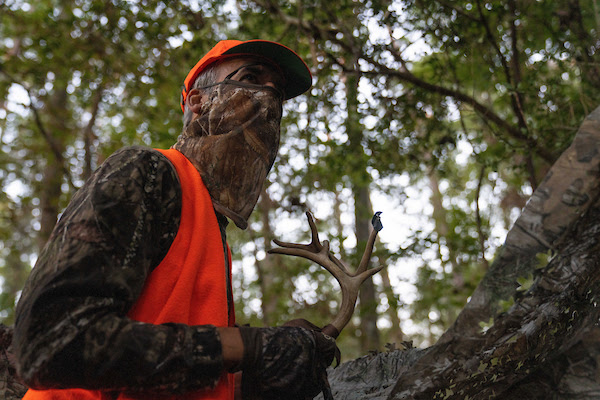
Thanks to timely spring rains and relatively mild summer temperatures, hunters have reason to be optimistic as they take to the field this fall, according to a Texas A&M AgriLife Extension Service expert.
Timely spring rains and relatively mild summer temperatures set the stage for abundant forage and vegetative cover supporting multiple wildlife species ahead of the fall hunting season. (Courtney Sacco/Texas A&M AgriLife)
Although portions of the Trans Pecos, Edwards Plateau and South Texas Plains continue to experience some form of drought, more than 60% of the state is drought-free, according to the U.S. Drought Monitor.
These rains facilitate the growth of vegetation, which not only provides nutrition, but critical protection for nesting, brooding, fawning and thermal cover from the summer heat.
Texas Parks and Wildlife biologists estimate the state supports 35.9 million mourning doves — a 5% increase from 2024 and 28% above the long-term average.
The estimates for mourning doves in the Central Mixed Grass Prairie in the Rolling Plains and the Tamaulipan Brushlands Bird Conservation Regions in the southern part of Texas also saw record highs.
This year, white-winged doves number around 11.7 million — an 8% decrease from 2024, but still 15% above the long-term population average.
Conditions good for white-tailed deer
With a population of roughly 5 million, Texas is home to more white-tailed deer than any other state. And thanks to mostly positive environmental conditions during gestation and fawning periods, Texans should expect to see many new, healthy additions to the landscape, Blum said.
“Something that is often overlooked is the importance of maternal condition on fetal development in white-tailed deer,” he said. “If the doe is in good condition, she will be able to allocate more energy into developing a stronger, healthier fawn.”
Blum said studies have shown health and nutrition during gestation has lasting impacts throughout the life of a fawn, including future body size and antler production.
“Lactation is also an extremely demanding time in terms of nutrition, so it is important that does have access to quality forage to support their health and that of their fawn,” Blum said. “I think many will be in good shape this year.”
Adequate nutrition is also critical for antler development.
“Bucks depend heavily on high-quality forage during the summer months — particularly plants rich in protein, calcium and phosphorus,” he said. “Although forage availability varied by region, I think we can anticipate solid antler growth in most parts of the state this year.”
Quail outlook positive
Over the last three decades, Texas has experienced a steady decline in both bobwhite and scaled quail populations, driven by several factors, including habitat loss and fragmentation of native grasslands they depend on.
Despite this downward trend, the last few years have seen productive nesting seasons for bobwhite quail, aided in large part by positive weather conditions supporting nesting cover and food availability.
“It looks like the bobwhite population in the Rolling Plains is going to be very good this year,” said Ryan O’Shaughnessy, Ph.D., executive director of the Rolling Plains Quail Research Foundation. “We’ve had great rainfall, and all of our surveys suggest we’re going to be in another boom year — probably pretty close to where we were in 2016.”
O’Shaughnessy said he anticipates a similarly positive outlook for the South Plains.
Although portions of the Trans Pecos have received some relief from extreme drought, it hasn’t been enough to support a rebound in scaled quail populations.
“The region has been so dry for so long that even if the scaled quail had a really good nesting season, they’re entering a very low breeding population,” O’Shaughnessy said. “There might be a slight bump, but I don’t know that it’s going to be as good as everyone is hoping for.”
Turkeys see stable or increasing population trends
According to Texas Parks and Wildlife biologists, observations of two or more poults per hen during annual surveys suggest a growing population. The 2024 Summer Turkey Survey documented 2.66 poults per hen.
“We’re seeing stable or increasing trends in Rio Grande turkey recruitment, and given the summer rains parts of the state received, I anticipate the productive spring turkey season will translate into fall as well,” Blum said.
Habitat management is key to supporting wildlife populations
While much of the state fared relatively well in terms of timely rains, Blum said regular precipitation is only part of the equation, and quality habitat management is necessary to allow that rainfall to translate into high-quality forage that meets the needs of Texas’ various game animals.
“Managing the landscape to meet the habitat needs of your desired species is going to weigh on the results,” he said. “Widespread land use and land management changes have hit many of our game bird species hard. For us as landowners and hunters, to conserve our game and non-game species, we need to steward the land that supports them.”
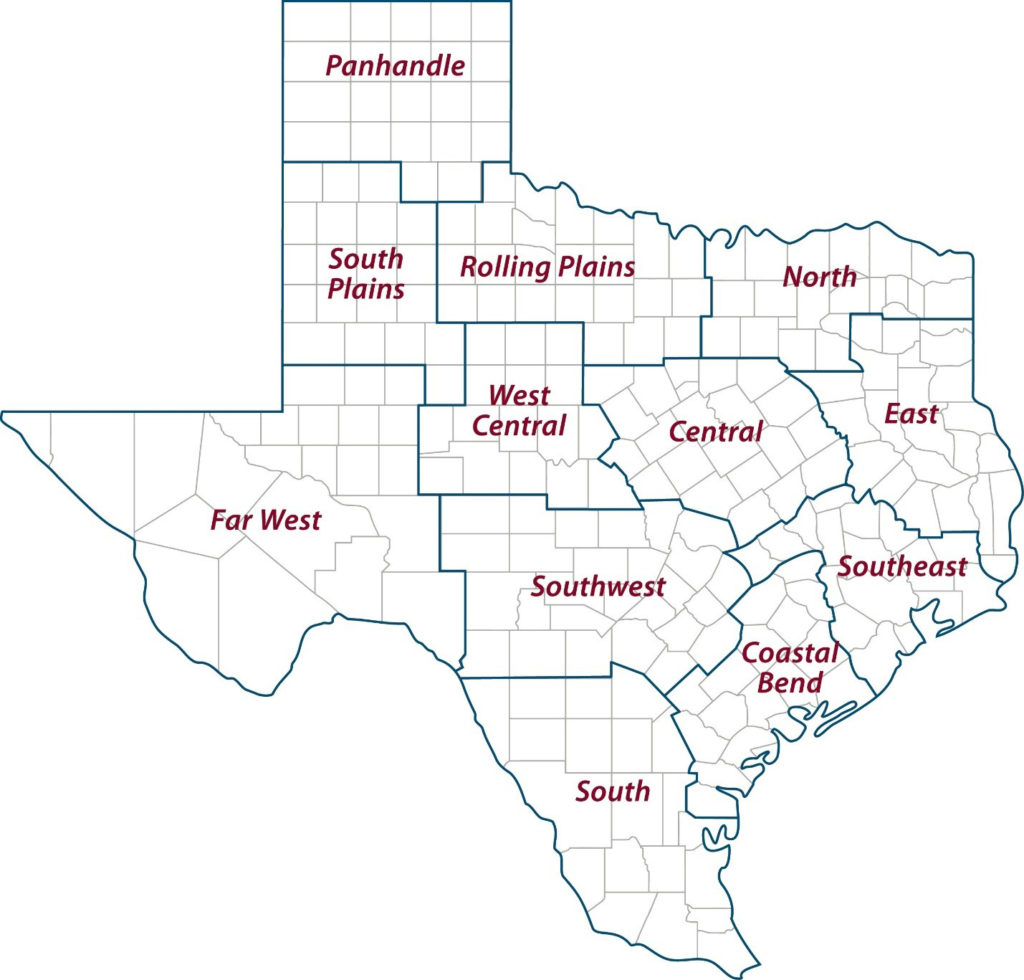
AgriLife Extension district reporters compiled the following summaries:
Panhandle
The district experienced hot, dry conditions, with overall soil moisture levels from short to adequate. Overall, crop conditions were reported as fair to good. Corn silage was being harvested, with grain corn to follow. Sorghum was progressing well and had reached full grain head growth. Progress in cotton was limited in many areas due to loss from early season hail damage. Producers were reporting some insect pressure. Pasture and range conditions were fair to good.
South Plains
The district experienced spotty, light showers, but not enough to prevent producers from working their fields. Subsoil and topsoil moisture levels were short due to a lack of precipitation and very high temperatures. Peanuts and cotton were at the end of their bloom. Peanut pods should continue to form over the next few weeks. Sorghum was maturing and starting to be harvested along with corn. Cattle and pastures were in good condition.
Rolling Plains
Scattered rainfall occurred in some areas, with totals ranging from a few tenths up to 1.5 inches, but conditions were mostly dry across the district. Weather allowed for tillage and preplant fertilizer applications ahead of wheat planting. Moisture helped pastures and improved overall crop conditions. Producers were actively preparing for winter wheat planting with rain in the forecast. Cotton crops experienced mixed conditions, but were generally healthy, although boll development was behind schedule due to late planting. Peanut crops were still pegging, and upcoming milder weather and rain chances should benefit their development. Hay production was strong, especially in areas with early-season rain and cooler summer temperatures. However, surplus supplies resulted in extremely low prices and low demand. Water tanks could use more rain heading into winter. Pastures were holding up well for August, and most counties reported good forage availability and strong livestock conditions.
North
Conditions were hot, humid and dry for the most part, with some areas catching a scattered shower. Topsoil and subsoil moisture levels were short to adequate across the district. Crops were in good condition overall. Corn was still being harvested with strong yields reported. Livestock conditions were good, and pastures looked incredible for this time of the year. Hay harvest was in full swing.
East
Rainfall was sporadic across the district. Subsoil and topsoil conditions were adequate. Pasture and rangeland conditions were fair to good. Grass and hay generally appeared abundant; however, some first hay cuttings were poor quality. Some producers had harvested so much hay that they were debating whether to plant winter pastures. Livestock were in fair to good condition, and cattle markets remained strong. Armyworms and Bermuda grass stem maggots were reported in pastures.
Far West
Temperatures were well above average with no measurable rainfall in eastern portions of the district. Scattered showers across the west tempered the impacts of prevailing hot and windy conditions. The cotton crop looked healthy with minimal pest pressure; however, it had begun to lose yield potential as bolls were beginning to set. Corn and sorghum matured and needed a little more time to dry down before harvest. Melon harvest was mostly complete, and most fields were not producing enough to justify harvest crews. Alfalfa looked good, but recent rainfall encouraged weeds and grass to grow. Pecans made good progress and were filling nicely. Insecticides were being applied to combat pecan weevils. Pastures dried up significantly, and cattle were starting to lose condition, leading to more supplemental feeding.
West Central
Conditions were hot and dry. There were a few short, scattered showers, but not enough to impact dry soil conditions. Row crops were suffering from heat and moisture stress. Cotton was maturing and nearing cutout. Corn was harvested, and sorghum was being harvested as fields matured. Pecan orchards under irrigation were in excellent condition. Fields were being prepared for fall wheat and small grain planting. Hay cutting and baling was underway, with some fields supporting third and fourth cuttings. Forage production slowed, but overall, pasture and range conditions were good for this time of year. Cattle conditions and the cattle market were good.
Southeast
Precipitation varied across the district, with soil moisture levels ranging from adequate to surplus. Crops were generally in good condition, with corn reaching maturity and the rice harvest almost complete. Sorghum had headed and matured, and cotton began to set bolls and square. Pasture and rangeland conditions ranged from fair to excellent. Livestock conditions were good overall.
Southwest
Cooler temperatures arrived. High winds were reported in the middle of the week, but damage was minimal. Precipitation averaged 1 inch for the week, and soil moisture was good. Sorghum harvest was completed, and corn harvest was wrapping up. Other row crops were being harvested as well. Pecan crops looked good, but more rain was needed for the nuts to fill. Elevated temperatures continued to stress pastures and rangelands, and all hay work was at a standstill. Supplemental feeding of livestock resumed, and livestock markets were steady. Breeding season should begin soon. Deer and other wildlife were in mostly good condition.
Coastal Bend
High temperatures and limited moisture continued to dry soils, and scattered showers provided little relief. Rice harvest was complete with fair to good yields reported. Corn harvest was wrapping up, with variable yields and some quality issues reported. Cotton harvest was progressing well with reports of above-average yields. Cotton gin yards were full, and most acres should be harvested within the week. Haying slowed, though scattered rains may help some regrowth. Range and pasture conditions continued to decline, with forage quality diminishing, and armyworms and mealybugs present in some areas. Livestock remained in fair to good condition, though some herds showed stress, and supplemental feeding began. Cattle marketing continued, supported by strong market conditions.
South
Conditions were hot and extremely humid with periodic showers. Topsoil and subsoil conditions were very poor in some areas. Fieldwork for strawberries continued, and vegetable producers harvested squash and okra. A few late-planted grain sorghum fields should be harvested over the week. Most cotton was harvested, but some fields were still blooming and progressing under irrigation. Sunflowers were almost ready for harvest, and some producers were preparing fields for fall vegetable planting. Cabbage conditions were fair. Pecan trees looked green, but another low production year was anticipated. Peanut crops continued to progress under irrigation. Sesame harvest continued with above-average yields reported. Range and pasture conditions declined, and some counties implemented burn bans. Some livestock producers were culling herds and providing supplemental feed to maintain good body condition scores. Beef cattle prices remained high, and supplies remained low. Wildlife were in good condition overall, with deer producers providing supplemental feed.
Join us on Friday, September 5, for our next First Friday Luncheon featuring a legislative update from State Representative Trent Ashby, along with the presentation of the Jack O. (Butch) McMullen Silver Spike Award.
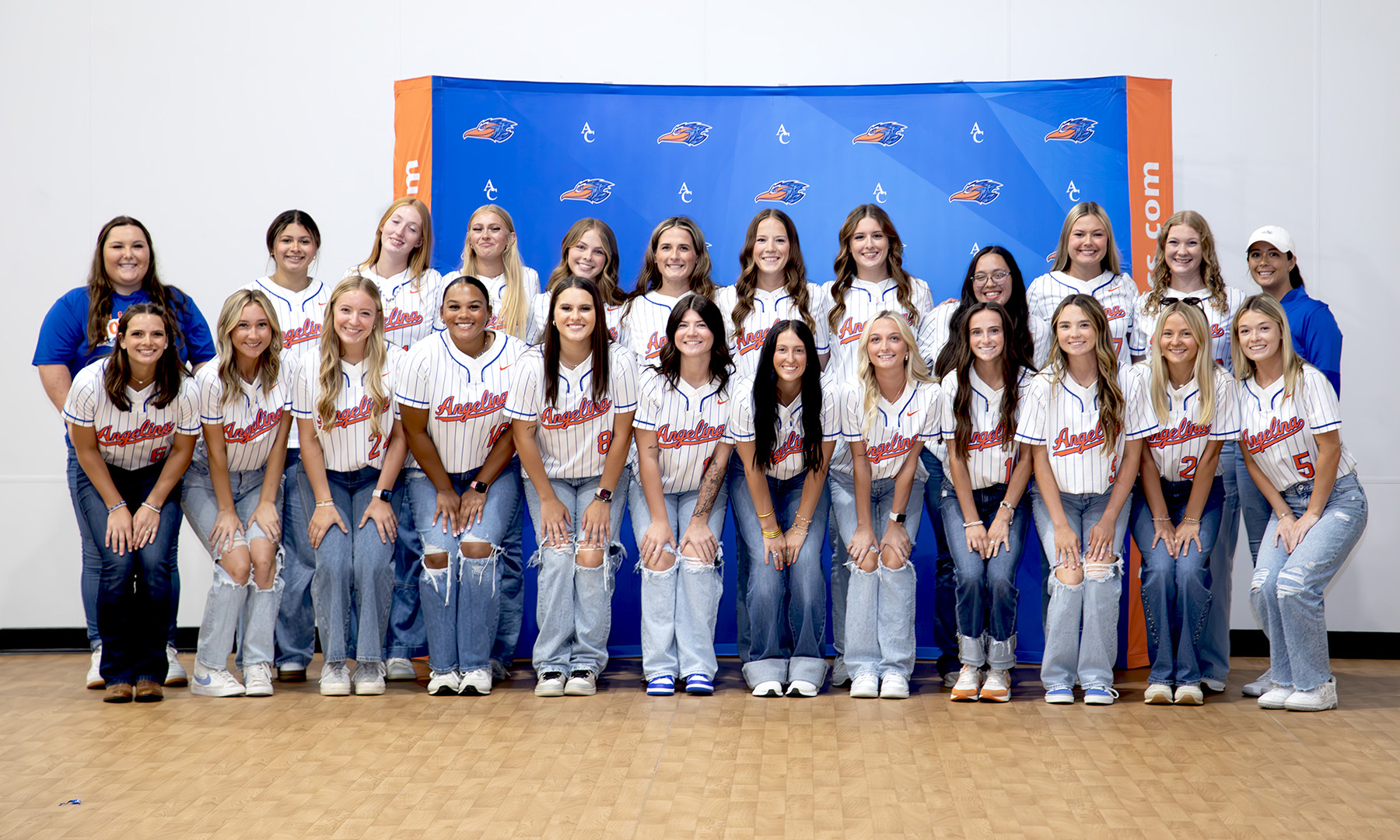
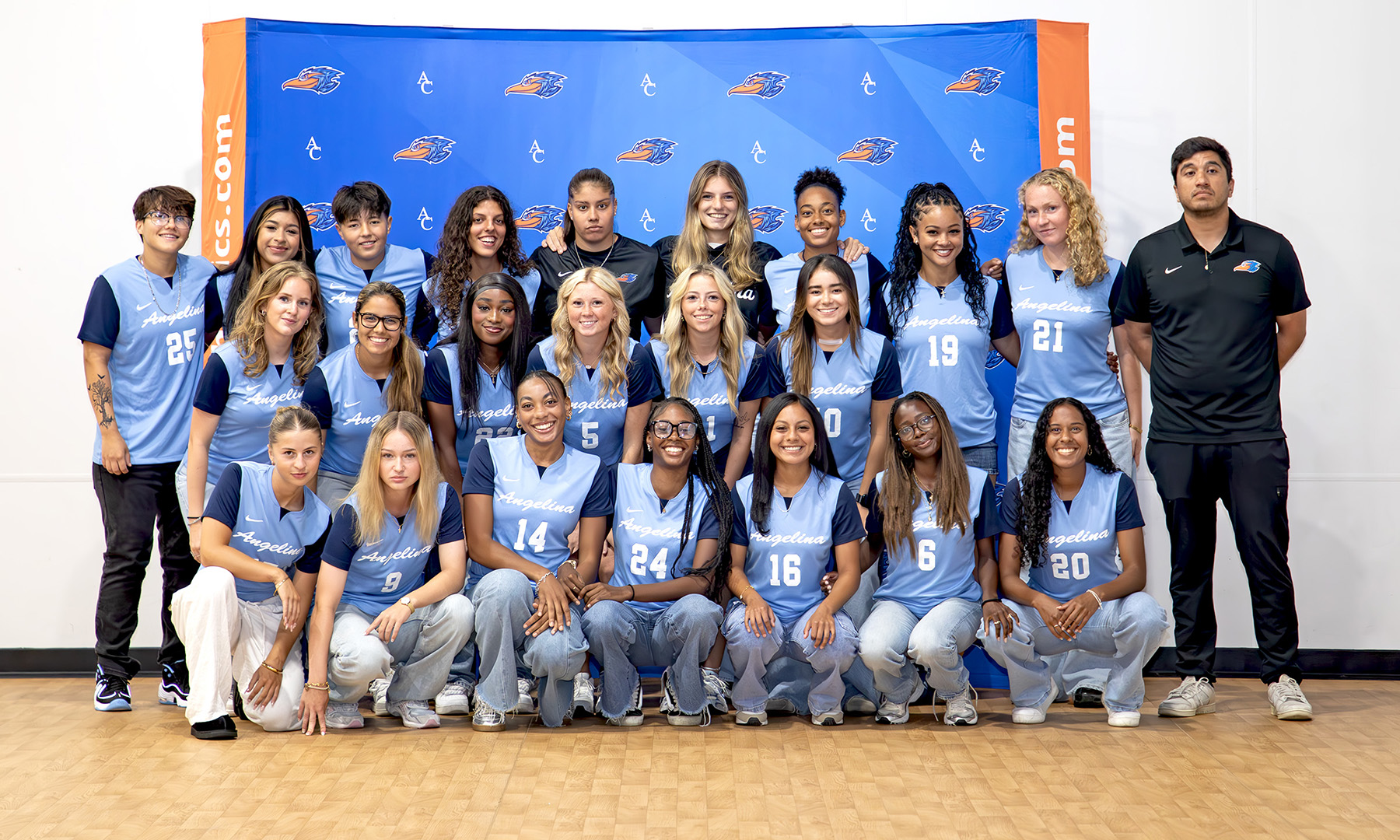
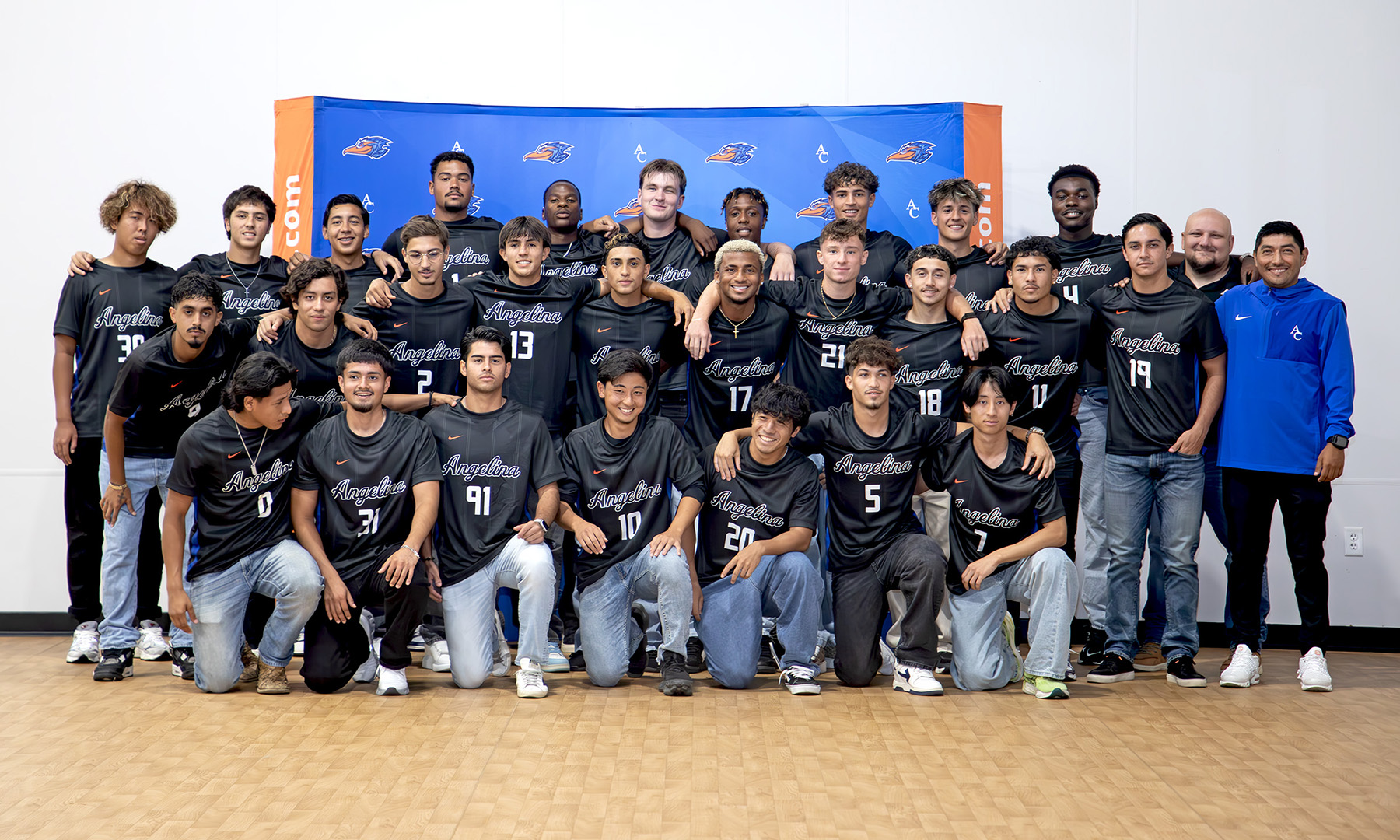
Our soccer teams wrapped up the pre-season portions of their schedules – in impressive fashion, by the way – and officially will embark on their 2025 regular-season campaigns starting this Friday at home.
The 18th Annual Guy Davis Golf Tournament was another successful (and sold-out) venture, and we welcome another familiar (to AC fans) face to our coaching ranks.
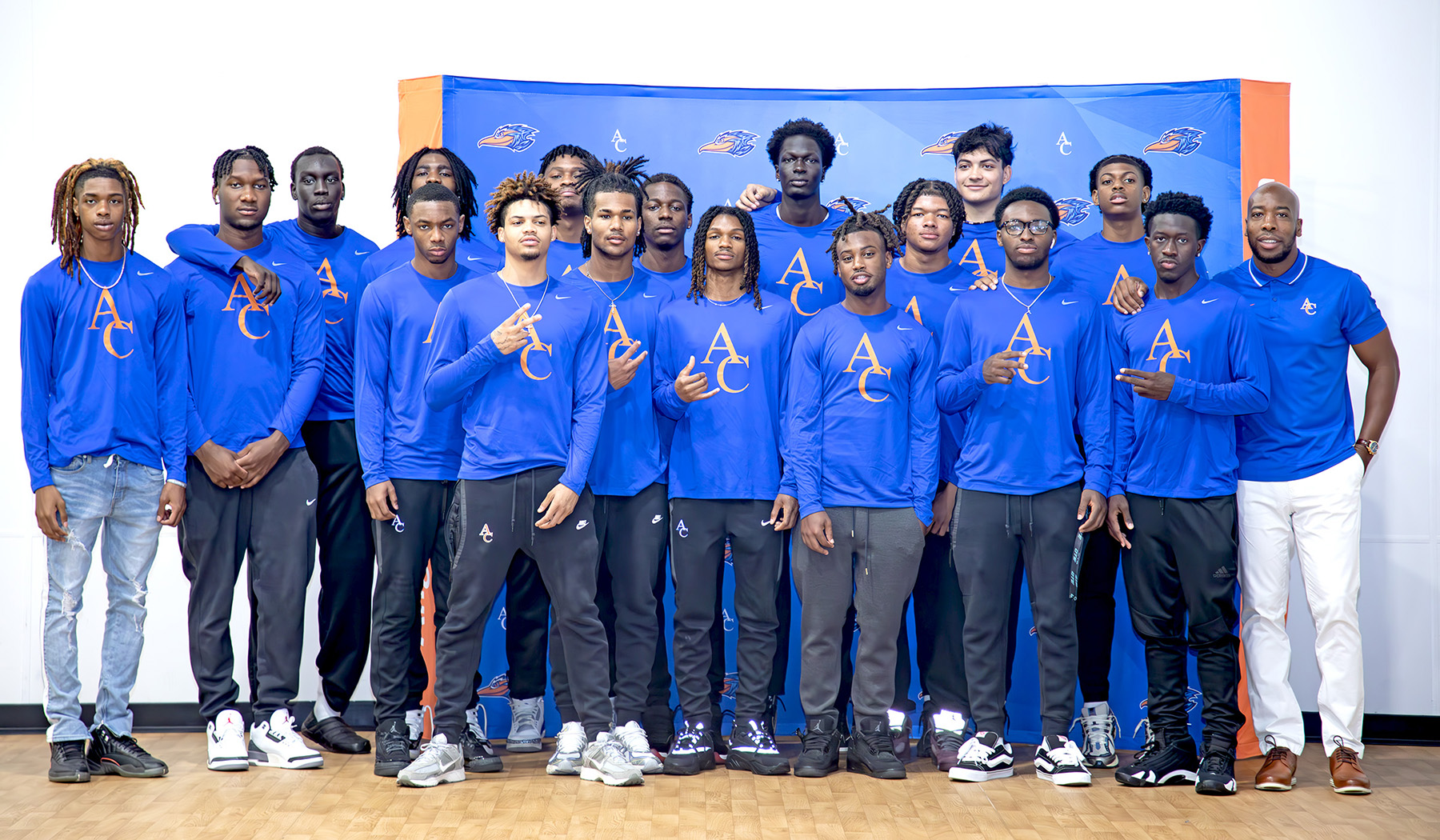
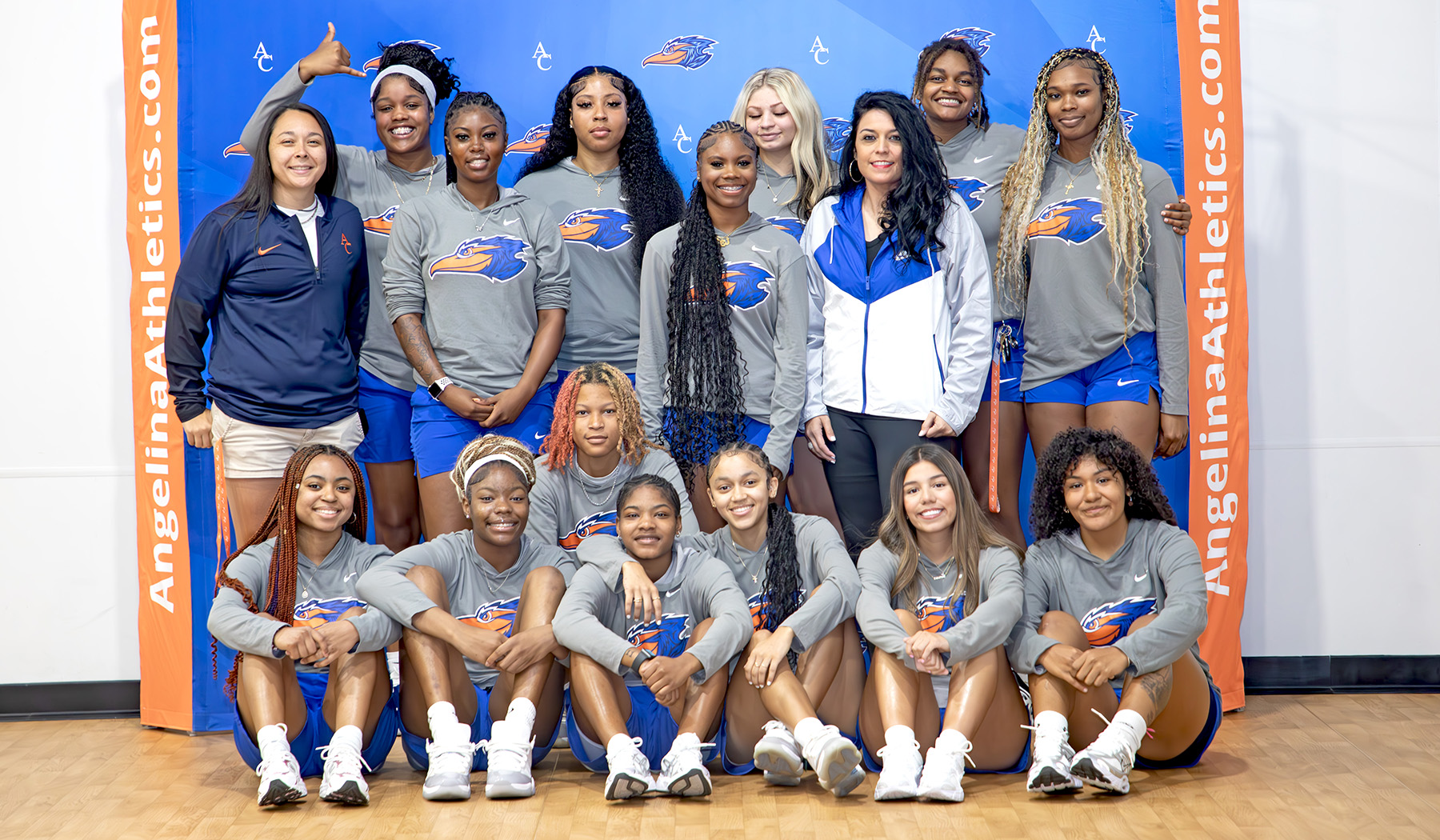
Finally, our annual Meet the Roadrunner Banquet saw all our players and their families together with our coaches and staff as we kick off another big year of Angelina College Athletics.
We are AC, and we’re ready to Run ‘Em.
Here’s a quick rundown of the past week’s events, along with what’s coming up next:
Former Lady Roadrunner Frenzel Joins Softball Staff
Bailey Frenzel absolutely exploded onto the Angelina College softball scene as a player for the Lady Roadrunners, with her hitting prowess leading to her status as a two-way All-American (NFCA and NJCAA), Region XIV Player of the Year and South Zone Player of the Year awards and status as a two-time Academic All-American, among other honors. She also led the Lady Roadrunners to a berth in the NJCAA Division I National Tournament in 2023.
Frenzel went on to a two-year at the University of Mary Hardin-Baylor, where she compiled even more playing honors.
Now, she joins Lady Roadrunner head softball coach Kassie James (a fellow All-American at AC) as the team’s assistant coach.
You can read Coach Frenzel’s full bio by clicking on this link:
Soccer Teams Wrap Up Pre-Season with Final Scrimmages
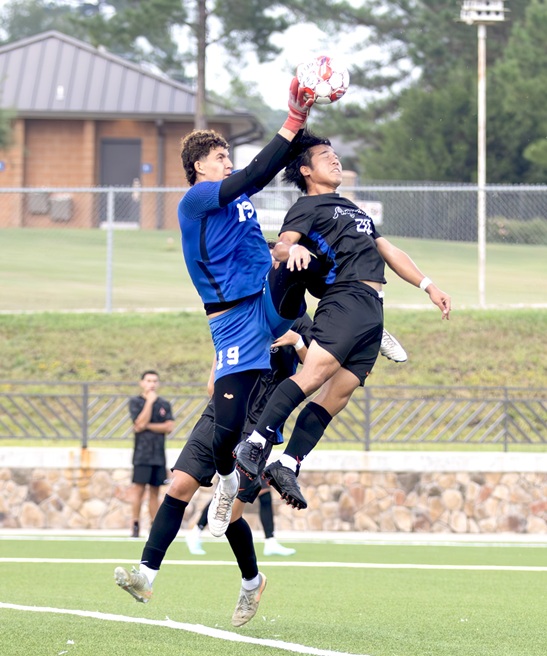
Lady Roadrunner head coach Sergio Gardea and Roadrunner head coach Martin Melchor ran their teams through a grueling pre-season schedule, with all their scrimmages against four-year programs. Not only did the AC teams hold their own, but they also put on some impressive displays to give fans some high hopes for the upcoming season.
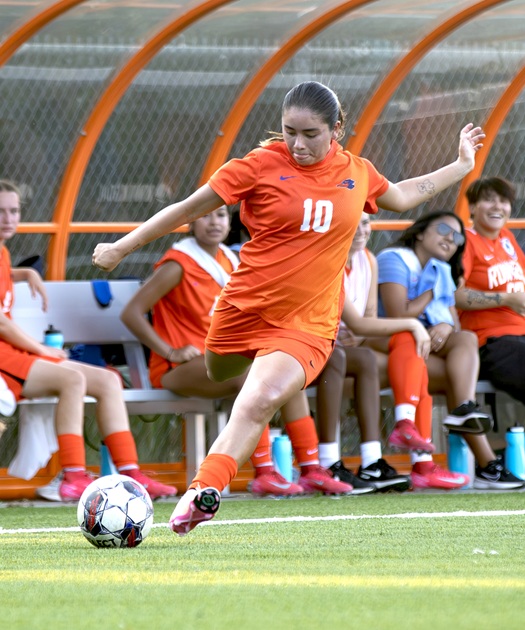
This past week saw the Lady ‘Runners shut out Louisiana Christian University at home by a 3-0 final behind goals from Sarah Riboe, Aly Morales and Paula Suarez. On Friday, in the ladies’ pre-season finale at the University of Texas-Tyler (an NCAA Division II program), AC battled hard in falling 1-0 to the Lady Patriots.
AC’s men (ranked No. 15 in the NJCAA national pre-season polls) on Wednesday battled Jarvis Christian University, eventually taking a 3-1 win over the Bulldogs. AC pressed the attack from the opening minutes, and after conceding a Bulldog goal to trail 1-0, proceed to net the next three goals to take the match. Christian Castaneda scored on a penalty kick, then hit teammate Kanta Maruyama moments later with a beautiful feed from long range for a tie-breaking goal. AC’s Jhosua Jory capped the scoring with a breakaway goal at the 25:58 mark of the final period.
Both AC soccer teams open the regular season at home against Northeast Texas Community College on Friday, August 29. The ladies will kick off at 5 p.m., with the guys following at 7:30 p.m.
Then, on Saturday, AC teams will host Paris Junior College, again with the opening kickoff for the doubleheader at 5 p.m.
All four matches will be live-streamed on TSBN Sports.
Guy Davis Tournament Holes Out Another Successful Year
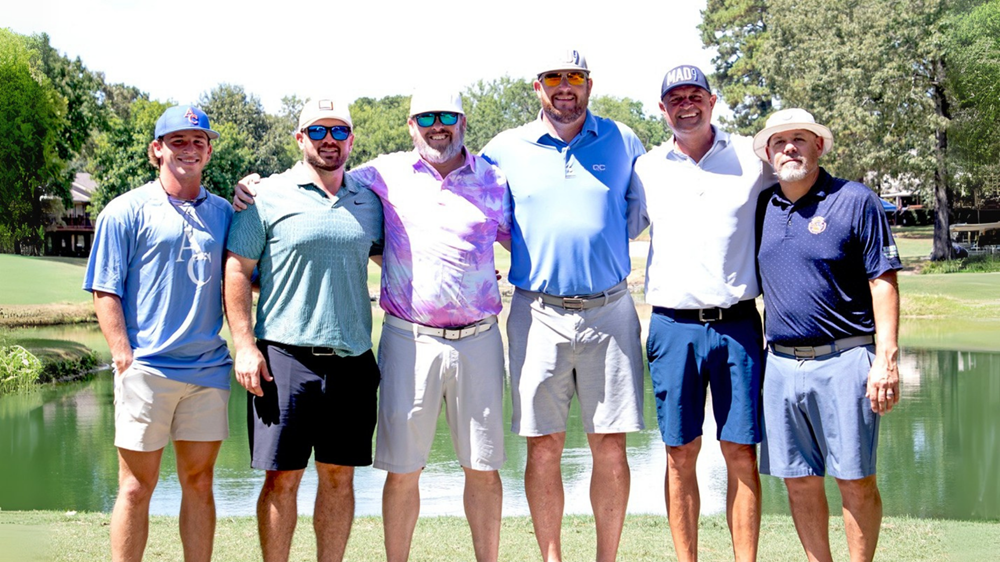
Team Integra fired a 53 to finish at 19-under to take first place in the recent 18th Annual Guy Davis Tournament held at the Crown Colony Country Club in Lufkin. The tournament benefits all Angelina College Athletics programs. Pictured are (L-R) Angelina College baseball
Another sold-out event for the 18th Annual Guy Davis Golf Tournament held this past week at Crown Colony Country Club in Lufkin, meaning another big day of generating proceeds for all Angelina College Athletics programs.
Featuring 50 teams of five players each, the scramble format featured a pair of shotgun starts (a morning and afternoon start) and a whole lot of fun for the day. AC athletes helped work the entire tournament, from setting up the course to driving carts and keeping score to shooting team pics.
This year’s tourney winning team was Integra Insurance (Chad Roberts, Justin Morehead, Jeff Havard, Ray Allen and Jarod Russell), which finished at -19. Four teams tied for second place at -17: East Texas Slab Masters (Matt McDaniel, Sid Dromgoole, Wes Welch, Manny Rachal and Logan Haul); Southside Bank (Codie Jenkins, Ernest King, Trevor Rasmussen, Michael Rasmussen and A.J. Goff); Big Juicy (Chase Greening, Ryan Nicholas, Jimmy Citty, Scott Diggs and Colton Wynne); and CBTx (Brian Cyr, Sid Abernathy, Ricky Worrell, Stan Gabriel and Ben Honeywell).
A big thanks to the Roadrunner Foundation for making this a must-do event for so many people every single year.
Coming Soon: Dinner at the Diamond
AC’s Sixth annual “Dinner at the Diamond” event will take place on Saturday, Sept. 27 down on the baseball field at Poland Stadium on the AC campus.
Dinner at the Diamond is a major fund-raiser for Angelina College and its students – not to mention just a lot of fun for everyone involved.
We’ll have a registration link and other information for the event to send out in the coming weeks. We just wanted to give you enough time to mark those calendars.
All AC Teams Have Schedules Up and Running Online
Lady Roadrunner and Roadrunner fans can now find their favorite teams’ schedules on the Angelina College Athletics website (www.angelinaathletics.com). For now, only the fall schedules for baseball and softball are in place (with the potential to add more events later), but all other teams, including both women’s and men’s basketball, are ready for viewing and planning.
We’ll update any changes as we receive them.
We can’t wait to see you at the games.
Live Streaming Reminder:
All AC Athletics regular-season home games are live streamed on TSBN Sports (a free streaming service for fans), with most of the conference road games also available for streaming. (This does not include baseball and softball fall games, as those are not considered official games.)
Once TSBN posts its schedules, AC fans simply need to visit the AC Athletics web site, look at the scrolling schedule in the middle of the page and click the blue “Video” link.
TSBN also offers an app great for smart phones, devices and smart TVs. (You’ve GOT to see those matches and games on the big screen.)
Reminder II: Admission to ALL Angelina College Athletics sporting events is free, as is the TSBN live streaming. Any other links offering streaming are scams.
Reminder III: For the most current schedule updates (especially for potential weather issues) visit the official Angelina College Athletics website (angelinaathletics.com). Fans can also receive updates on the AC Athletics Facebook, X/Twitter, and Instagram pages.
Upcoming schedules:
Friday, August 29:
Lady Roadrunner Soccer vs. Northeast Texas Community College, 5 p.m. at the AC Soccer Stadium/Larry Phillips Family Sports Complex.
No. 15 Roadrunner Soccer vs. Northeast Texas Community College, 7:30 p.m. at the AC Soccer Stadium/Larry Phillips Family Sports Complex.
Saturday, August 30:
Lady Roadrunner Soccer vs. Paris Junior College, 5 p.m. at the AC Soccer Stadium/Larry Phillips Family Sports Complex.
No. 15 Roadrunner Soccer vs. Paris Junior College, 7:30 p.m. at the AC Soccer Stadium/Larry Phillips Family Sports Complex.
For any other information, contact Sports Information Director Gary Stallard at gstallard@angelina.edu.
Proceeds Benefit Angelina College Athletics Programs
Another sold-out event for the 18th Annual Guy Davis Golf Tournament held this past week at Crown Colony Country Club in Lufkin, meaning another big day of generating proceeds for all Angelina College Athletics programs.
Featuring 50 teams of five players each, the scramble format offered a pair of shotgun starts (a morning and afternoon start) and five-player teams. AC athletes helped work the entire tournament, from setting up the course to driving carts and keeping score, to shooting team pics.
Team Integra Insurance (Chad Roberts, Justin Morehead, Jeff Havard, Ray Allen and Jarod Russell) finished at 19 under par to take first place honors.
Four teams tied for second place at 17 under par: East Texas Slab Masters (Matt McDaniel, Sid Dromgoole, Wes Welch, Manny Rachal and Logan Haul); Southside Bank (Codie Jenkins, Ernest King, Trevor Rasmussen, Michael Rasmussen and A.J. Goff); Big Juicy (Chase Greening, Ryan Nicholas, Jimmy Citty, Scott Diggs and Colton Wynne); and CBTx (Brian Cyr, Sid Abernathy, Ricky Worrell, Stan Gabriel and Ben Honeywell).
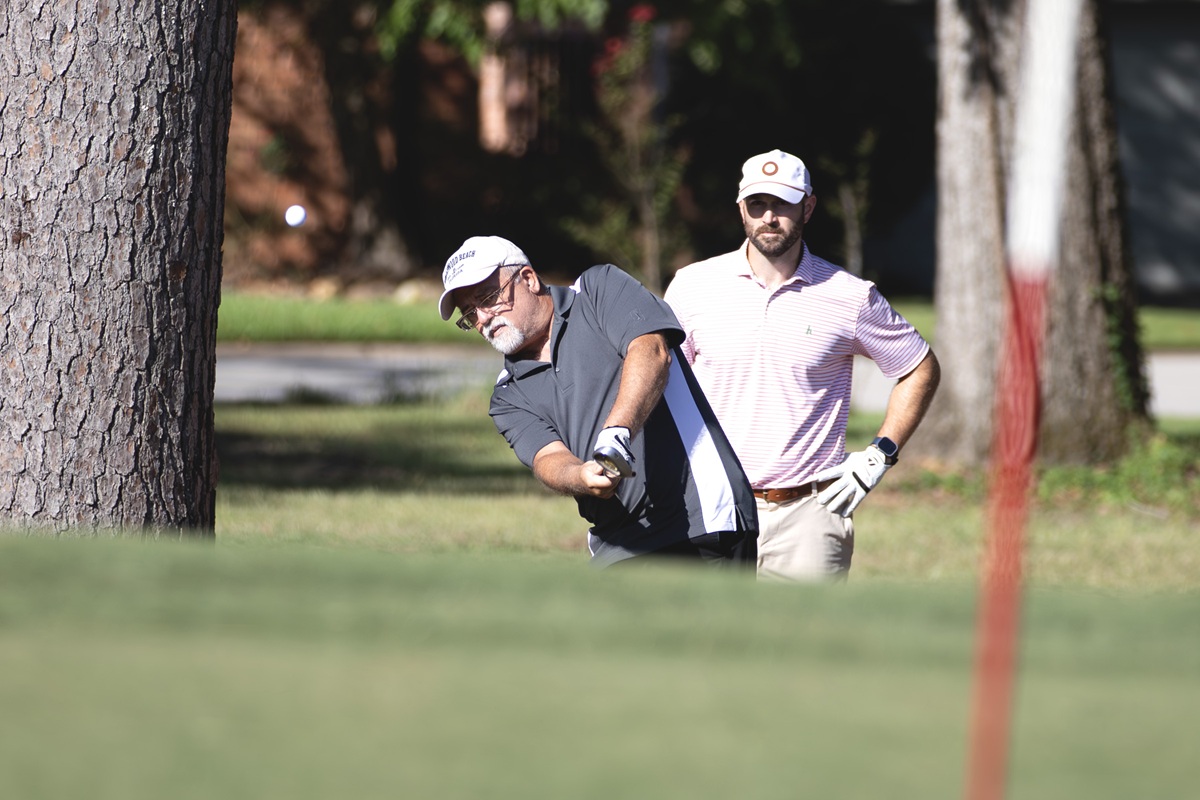
Mike Odell of Team Dedicated Orthopedics chips onto the green during the recent 18th Annual Guy Davis Golf Tournament held at Crown Colony Country Club in Lufkin. Proceeds from the event go toward Angelina College Athletics programs. (Gary Stallard photo for AC News Service)
Following are the remaining Top 10 finishing teams and members, along with their final scores:
Bettye and Murphy George Foundation (Randy George, Cole Alderman, Ryan Maliska, Tim Metzer and Braxton Sherrill), -16; Morris AC (Scott Summers, Bradley Morris, Jack Yeates, Colton Boles and Chad Ogden), -16; RBC (Jack Kennedy, Cragg Todd, Matt Courtney, Josh Zeleskey and Ryan Self), -16; Pullen (Jason Pullen, Neil Hennigan, Kevin Johnson, Kirk Foret and Galen Key); The Chili Dippers (Justin Parson, Denver McMillon, Ryan Bell, Parker Phillips and Phillip Vasquez), -15; and the Road Hands-Texas Materials (Jason Purke, Ryan Pryor, Armando Sotelo, David Johnson and John Collins), -15.
The Roadrunner Foundation hosts the tournament each year, with numerous contributing sponsors from throughout the area making contributions.
Here in the Forest Country, opening a business is a big deal. Whether you’re finally launching that second location, leasing space in a strip center, or planting a new church in a renovated building—you’ve already got a long list of things to think about.
You’ve walked the property. You’ve priced out renovations. You’ve imagined customers walking through the door.
But there’s one thing many local business owners forget—and it could cost them thousands:
They never check the electricity plan before signing the lease.
Not All Buildings Are Equal—Even If They Look the Same
In places like Diboll, Crockett, Alto, and Wells, electricity costs vary wildly, depending on:
The utility setup in that building
Whether it’s zoned commercial or residential
What kind of meter it has
When the power is used most (yes, that matters)
How much your business draws at once
We’ve seen two retail spaces in the same shopping center—one paying over 16¢ per kilowatt-hour, and the other locked into half that rate.
That’s the kind of margin that can affect payroll, profit, or whether your doors stay open.
Plan Ahead—Before the Lights Come On
Most folks wait until after they’ve moved in to figure out the electric bill. But the truth is, you can negotiate your rate ahead of time, and often get a better deal when you do.
Amerigy Energy helps local businesses across the Pineywoods:
Compare commercial electricity rates Estimate usage for new spaces Lock in fixed pricing early Avoid demand penalties and peak-hour surprises
And they do it all at no cost to the business owner.
A Great Tip for Landlords and Builders, Too
If you’re developing property, managing commercial spaces, or helping tenants get set up, Amerigy can help you get rates locked in as a value-add—before your future tenant ever plugs in the coffee machine.
Starting Something New? Let’s Talk
Before you commit to a lease, take a few minutes to talk to someone who knows how energy pricing works in our part of Texas.
Call 877-631-8875 and ask for Lee (he handles commercial and real estate projects) Or email your questions or lease terms to info@amerigyenergy.com Or browse rates yourself at AmerigyEnergy.com/shopnow
Final Thought
Starting or expanding a business takes heart, hustle, and careful planning. Don’t let a high electricity bill be the thing that surprises you down the road.
Smart business owners think ahead—especially when it comes to the lights staying on.
This has been one of those years where rain has been both a blessing and a challenge. On the one hand, the frequent showers have pushed forage growth in pastures and meadows, allowing many producers to make more hay than they have in recent years. On the other hand, those same rains have made it difficult to find a good harvest window. Wet fields and high humidity have delayed cutting and curing, and as a result, a lot of this year’s hay has been baled a little later than we’d like.
That’s why testing your hay is so important. What looks like a barn full of good hay can vary widely in feeding value, and without a forage test, you’re really just guessing. Several forage testing laboratories offer inexpensive, research-based analysis that can tell you exactly what you have in your hay. With that information, you can stretch your hay supply, match it to the right class of livestock, and avoid costly supplementation mistakes this winter.
Two of the most important numbers to look at in a forage test are crude protein (CP) and total digestible nutrients (TDN). Crude protein is a measure of the nitrogen content of the forage and reflects its ability to meet livestock protein needs. TDN is an estimate of the energy available from that hay, and it often tells the bigger story when it comes to animal performance.
So, what are the standards to aim for? In bermudagrass hay cut at the right stage, CP values typically run from 10–14%, and TDN from 55–60%. Bahia hay usually comes in lower, around 8–10% CP and 50–55% TDN. Once hay gets overly mature, or if it was rained on during curing, those numbers can fall sharply. I’ve seen late-cut bermudagrass hay test well under 7% CP and far below 50% TDN. That’s basically just cow “filler”—it may keep an animal’s stomach full, but it won’t maintain weight without additional supplementation.
For comparison, a dry cow in mid-gestation may only need hay testing 7–8% CP and 50% TDN. But a lactating cow or a growing calf requires much higher levels—closer to 11% CP and 60% TDN. That’s why knowing your hay’s nutrient content is critical. You can feed the lower-quality hay to cows with lesser requirements, and save your better hay for calves, heifers, or cows after calving.
Getting your hay tested is relatively simple. My favorite forage laboratory with the quickest turn-around is Dairy One. You’ll need to take cores from several bales from a cutting, mix them, and send a representative sample to the lab. You can print off a submission form from their website or drop by our office to pick one up. In as little as a day or two after Dairy One receives your sample, you can have the results emailed immediately to you and that can guide your feeding program all winter long.
The bottom line: don’t assume this year’s hay is “good enough.” With the rain we’ve had, chances are you have both excellent hay and some that is only fair. A forage test takes the guesswork out and ensures your cattle get what they need without overspending on supplements. It’s a small investment of $29 now that can pay big dividends in herd performance later.
AUSTIN — State Representative Trent Ashby (R – Lufkin) issued the following statement regarding the updated Special Session Agenda:
“I want to thank Governor Abbott for his leadership in expanding the call of the Second Called Special Session to include legislation that addresses the growing concerns over high-volume groundwater pumping in East Texas. This action reflects the seriousness of the issue and the need for thoughtful, long-term solutions to protect our region’s water resources.
I am proud to serve as a Joint Author on Chairman Cody Harris’s House Bill 27 and to have filed House Bill 193, which collectively strengthen the role of local groundwater conservation districts, increase transparency in the permitting process, and ensure that the voices of rural Texans are heard. These bills represent an important step toward preserving the integrity of our aquifers and safeguarding water access for the families, farmers, and communities that depend on it.
I look forward to working with my colleagues in the House and Senate to pass meaningful legislation that protects private property rights while also preserving East Texas’ water for future generations.”
Trent Ashby is in his seventh term as a member of the Texas House of Representatives. He currently represents a six-county region that includes Angelina, Houston, Polk, San Augustine, Trinity, and Tyler Counties.