


Representative Ashby’s Capitol Update
Kicking Off Fall Planting, Wildlife
This weekend and in the weekends to come, more men will be outdoors preparing soil and planting small parcels of land deep in the woods. And they won’t be looking forward to a vegetable or grain harvest; they will be doing it for the sole purpose of enhancing the forage available for wildlife and drawing in a big buck
Labor Day weekend is the kick-off for many a deer lease to start their food plots. I just got word that my own hunting lease partners would be planting on Oct. 1. Indeed, these next few weeks are prime for getting cool season vegetation planted that will benefit wildlife in addition to a few hunters.
Whether you hunt or not, this late summer/early fall planting can do several things: attract wildlife, enrich your soil, and beautify your place. For deer, dove, quail and even waterfowl, you are providing a nutritious choice that will bridge the hard time between acorn drop and spring green-up.
And it can do it all if you choose options such as winter peas, greens, small grains, or clovers.
There is all manner of seed combinations sold to bring in white tailed deer as well as some old favorites that shouldn’t be overlooked. While there are a lot more exotic seed choices out there, consider the tried and true ones.
Small grains are a term applied to Elbon rye, wheat and oats. Unlike less desirable grasses such as ryegrass, these make early, nutritious growth and can produce an abundance of nutrient dense grain. By far our best producer grain in East Texas is Elbon rye.
For clovers, try Arrowleaf, Crimson, or Red. Crimson gives the showiest and darkest colors and will bloom earlier in spring. Arrowleaf on the other hand will grow the most forage but can last into early summer, competing with summer grasses. Winter pea varieties include vetch, Singletary pea and Austrian winter peas.
Greens can include, turnip, mustard and others. If you study the contents of many commercially available seed blends, they will list a “brassica” seed variety. Brassica is simply the scientific name for the species that includes turnip, mustard, and collard greens! Every local feed store will have these for sale for the gall gardener and you can use them on your food plot just as well.
Clovers and greens are certainly easiest to establish as you can broadcast the seed with minimal soil preparation. Peas and grains on the other hand will greatly benefit from heavy disking and being covered one-inch-deep in the ground.
Several years ago I was asked to speak to a hunting group about getting a successful food plot going. These guys were hard core hunters and nary a one had ever planted a garden. The idea of preparing soil to raise crop was foreign to them.
Timing of plantings is critical for successful wildlife food plantings. Many wildlife food plants have differing optimum planting times that are often only a few weeks in length. Scheduling planting during the range of best planting dates often means the difference between a successful food plot and one that is doomed to failure. For the recommended varieties listed above, a late September to early October planting should work well.
If seeding rates are too low, weed competition and germination problems can cause a wildlife food plot to fail. As a rule of thumb, seeding rates for establishing wildlife food plots should be higher than the rates recommended for commercial production of the same variety. Higher seeding rates help to ensure that a significant portion of the seeds germinate and grow.
Nutrient deficiencies in the soil can be corrected by applying the proper rates of fertilizers and lime. The only way to really know how much fertilizer and lime to apply is to have the soil tested.
Proper seed selection and site preparation won’t guarantee a big buck this season, but will certainly enhance the nutrient availability and will benefit a variety of wildlife.
Angelina College Announces New Hires, Appointments
Angelina College has hired 10 new employees for the 2016-2017 academic year. Two current employees have been reassigned to better serve the needs of the college. Alicia Andreatta is serving as a government instructor. She received her bachelor’s degree from McMurray University and her master’s degree from Baylor University. Andreatta was previously employed at Cisco College and will teach Texas Government.
Dr. C. Edward Carey is AC’s new education and student success instructor. Carey comes to AC from Houston. He holds a doctorate in educational psychology from the University of North Carolina at Chapel Hill, a master’s in educational administration from Texas A&M University, and a bachelor’s in journalism from Texas A&M University. Carey has experience in teaching and administration at TAMU, UNC and Lone Star College. Todd Farmer is serving as a biology instructor. He earned his associate degree from AC and he holds a Bachelor of Science in cellular and molecular biology and a Master of Science degree in biology, both from Stephen F. Austin State University. Farmer has served as an adjunct instructor at AC for the past year.
Aaron Grimes is serving as an English instructor. He earned his Associate of Applied Science degree from AC and his bachelor’s and master’s degrees from SFASU. Grimes was an English teacher at Nacogdoches High School for 10 years. Vergie E. Hines is serving as a nursing instructor. She earned her LVN at Angelina College and her RN at the University of the State of New York. Hines earned her bachelor’s and master’s degrees in nursing from Grand Canyon University. Hines is also certified in three areas of life support: basic life, advanced cardiovascular and pediatric.
Kimberly Karn is serving as AC’s Career Pathways Navigator. She will be helping Adult Education students find a career pathway that will give them the necessary credentials to re-enter the workforce or to continue on to higher education. Karn earned bachelor’s degrees in criminal justice and rehabilitation services from Remmington University in San Diego, California and SFASU, respectively. She is currently pursuing a master’s degree in counseling at SFASU. Karn moved to Lufkin from San Diego, California six years ago. She has worked in education for more than 10 years and has worked as a case manager for students to help them obtain employment and transition into the workforce.
Patricia Parmley is serving as a biology instructor. She earned her Bachelor of Science degree in animal science at Louisiana State University and her Master of Science degree in environmental biology from Hood College in Frederick, Maryland. Parmley’s 20 years of experience in the sciences includes working at the LSU School of Veterinary Medicine, the LSU Department of Biological Sciences, the USDA Agricultural Research Service, and the Walter Reed Army Medical Center. Alexandria Ranc is the new speech instructor at AC. Ranc holds bachelor’s and master’s degrees from SFASU. Ranc comes to AC from Lone Star College. She will teach Public Speaking and Interpersonal Communication courses.
Rachel Slaughter is serving as a nursing instructor. She holds a Bachelor of Science degree in biology from Baylor University, an associate degree in nursing from Angelina College, and bachelor’s and master’s degrees in nursing from Western Governor’s University. Slaughter previously practiced as a critical care nurse in Austin. Renee Williams is serving as an English instructor. She holds bachelor’s and master’s degrees in English from SFASU. Williams previously served as an adjunct English instructor at AC.
Tonya LaForge, formerly the coordinator of surgical technology, is now the director of nursing programs. LaForge earned her Master of Science in nursing from University of Texas-Tyler, her Bachelor of Science in nursing from SFASU, and her associate degree in nursing from Angelina College. She is also a certified nurse of the operating room and a certified surgical technologist. LaForge has taught at AC since 2009.
Jacob Scoggins has been reassigned from IT Technician I to IT Technician II. He now supervises the other technicians in the IT department as well as manages purchase orders, technology requests and help requests. Scoggins graduated from Lufkin High School and served in the Marines for four years, working in networking and communications. He returned to Lufkin and earned his bachelor’s degree in networking and communications management from DeVry University.
Increased Traffic Increases Need For Pedestrian Safety Awareness
The Texas Department of Transportation (TxDOT) in keeping Texas roads safe by sharing the road responsibly with pedestrians, is urging everyone to exercise caution now that there is increased school and pedestrian traffic.
Pedestrians should always use a sidewalk if there is one available. Never walk in the roadway if you do not have to. Pedestrians are more likely to be involved in accidents while walking on or crossing a roadway. If the road has no sidewalk, walk on the left side of the road always facing oncoming traffic.
TxDOT offers these tips for pedestrians crossing at intersections or crosswalks:
- Stay alert when crossing a roadway and stay on the right-hand side of crosswalks. Always cross at an intersection. Look left, right and then left again before proceeding. Always look for oncoming traffic when stepping off a bus or from behind vehicles. * Try to make eye contact with a driver before walking across the street. Many drivers are distracted and may not be alert to pedestrian traffic.
TxDOT wants all motorists to remember these four important rules of the road:
- Drivers are required to yield to pedestrians who are using a crosswalk. Stay alert for pedestrians and do not block crosswalks with your vehicle. Reduce speed in work zones and watch for construction detours and nearby workers. * Adjust your speed to road conditions.
TxDOT is urging parents to alert children to these pedestrian safety tips. Even adults need a reminder in order to stay safe when choosing to walk near traffic. Everyone can help keep Texas roads safer by sharing the road responsibly with pedestrians, exercising cautio
How To Prepare For The Unexpected In National Preparedness Month
Events like the recent flooding in Louisiana, Hurricane Hermine approaching Florida, and Hurricane Lester in the Gulf remind us that weather can change at a moment’s notice.
Disasters don’t always occur when we are together with our family and friends, and so it’s important to take time now to plan what you will do in an emergency. It only takes a few minutes to talk through the greatest risks that can affect where you live, work or go to school.
This September is Nation Preparedness Month. This September and throughout the year here are few actions you can take to get started:
- Make & practice your family emergency plan. The average person does not expect an emergency. It is often a surprise. Make sure you and your family have spoken and practiced your plan for when the unexpected emergency strikes.
- Bookmark a weather website to stay on top of severe weather forcasts. Knowing what is coming is incredibly helpful to planning a safe place to wait out a storm or a safe exit if things get too dangerous.
- Download the FEMA app. The FEMA app has weather alerts for up to five locations, preparedness checklists for road trips and more, open shelter locations and access to speak directly with a FEMA agent, and a place to upload photos that could help emergency responders. The app can help your family and others.
- Share preparedness tips with the #NatlPrep Social Media Toolkit. If you and your family have tried and true methods to emergency survival, share them with the national community with the hashtag #NatlPrep.
- Make a family communication plan. In case you get separated during an emergency and cell phone service is down, you need to have a plan in place on alternative ways of communication. Know where you should meet when emergency strikes.

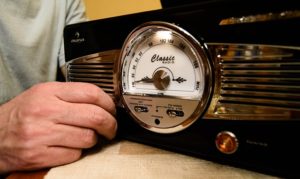
- Obtain a weather radio. During a storm, when phone lines are down, and television and internet service is not an option, an FM or AM radio is very helpful. It can help you stay on top of weather updates, evacuation statuses, road blockages, and more.
- Volunteer to help others during their emergency. You know you would appreciate people taking the time to reach out and serve your family in shelters and as emergency workers. Do something extra for others like those in Louisiana this week. Volunteer. Donate clothing and supplies. Do something so that others can begin to feel safe again, too.
By having a conversation or making a plan, families can have more confidence and be better prepared when the next event happens.
Your Regional Fishing Report
Week of August 31, 2016
- Bob Sandlin
- Water lightly stained; 82–86 degrees; 0.45′ low. Black bass are fair on hollow body frogs, Texas rigged creature baits and craws, and swim jigs. Crappie are fair on minnows and jigs. White bass are good on slabs and topwaters. Catfish are good on trotlines and cut shad.
- Caddo
- Water stained to muddy; 83–86 degrees; 0.90′ high. Black bass are slow on Texas rigged creature baits, weightless Senkos and hollow body frogs. Crappie are good on minnows. Catfish are good on trotlines and prepared bait.
- Conroe
- Water murky; 85–89 degrees; 0.01′ high. Black bass are slow. Striped bass are fair on chartreuse crankbaits. Crappie are fair on minnows. Catfish are good on nightcrawlers, liver, and shrimp.
- Fork
- Water stained; 82–86 degrees; 1.36′ low. Black bass are fair on spinnerbaits, white buzzbaits and Texas rigged worms in 10–15′. White and yellow bass are good on minnows. Crappie are good on minnows and jigs. Catfish are fair on trotlines.
- Houston County
- Water stained; 84–88 degrees; 0.17′ high. Black bass are good on live minnows from piers. Crappie are good on live minnows. Bream are good on live worms from piers and over grassy areas. Channel and blue catfish are good on juglines baited with cut shad and bream.
- Water stained; 82–85 degrees: 2.91′ high. Black bass are fair on hollow body frogs, topwaters and wakebaits. White bass are good on slabs. Crappie are fair on minnows. Catfish are fair on trotlines.
- Livingston
- Water stained; 86–90 degrees. Black bass are fair on crankbaits and soft plastics. Striped bass are good but small on pet spoons and troll tubes. White bass are good on troll tubes and pet spoons. Crappie are good on minnows. Blue catfish are fair on shad. Yellow catfish are slow.
- Martin Creek
- Water lightly stained; 85–89 degrees; 0.67′ low. Black bass are slow on hollow body frogs and weightless trick worms. Crappie are fair on minnows and jigs. White bass are fair on minnows. Catfish are fair on trotlines and cut shad.
- Monticello
- Water stained; 85–88 degrees; 0.80′ high. Black bass are slow on deep crankbaits, hollow body frogs and drop shot worms. Crappie are slow on minnows. Catfish are fair on trotlines and prepared bait.
- Sam Rayburn
- Water murky; 85–89 degrees; 0.85′ low. Black bass are good on chartreuse crankbaits and soft plastic worms. White bass are slow. Crappie are good on minnows over brush piles. Bream are good on nightcrawlers. Catfish are good on trotlines baited with live bait and cut bait.
- Steinhagen
- 1.87′ high. No report available.
- Toledo Bend
- Water murky; 85–89 degrees; 1.67′ low. Black bass are good on chartreuse topwaters and redbug soft plastic worms early and late. Striped bass are fair on white striper jigs. White bass are good on slab spoons. Crappie are fair on minnows. Bream are good on crickets and nightcrawlers in 4–10 feet. Channel and blue catfish are fair on trotlines baited with shrimp and nightcrawlers. Yellow catfish are slow.
- Wright Patman
- Water stained; 6.27′ high. No report available.
Your Freshwater Fishing Report
Week of August 31, 2016
- ALAN HENRY
- Water clear; 84–88 degrees; 3.49’ low. Black bass are fair early on Carolina rigs, jigs and deep diving crankbaits. Crappie are fair on live minnows. Catfish are fair on juglines.
- AMISTAD
- Water murky; 88–92 degrees; 21.37’ low. Black bass are good on soft plastics, jigs, crankbaits, and spinnerbaits. Striped bass are slow. White bass are slow. Catfish are fair on shrimp, chicken livers, and nightcrawlers over baited holes in 15–45 feet. Yellow catfish are slow. Everyone in a boat must have a Mexico fishing license (if fishing the Mexico side) whether fishing or not.
- ARROWHEAD
- Water fairly clear; 85–89 degrees; 1.41’ low. Black bass are fair to good on topwaters and Texas rigs. Crappie are slow on jigs and minnows in the shallows. Catfish are good on worms and stinkbait.
- ATHENS
- Water lightly stained; 81–85 degrees; 0.51’ low. Black bass are good on topwaters, hollow body frogs and weightless Senkos. Crappie are good on minnows. Catfish are fair on trotlines.
- BASTROP
- Water murky; 86–90 degrees. Black bass are fair on chartreuse/white spinnerbaits and crankbaits. Crappie are slow. Channel and blue catfish are good on nightcrawlers and shrimp. Yellow catfish are slow.
- BELTON
- Water murky; 84–88 degrees; 2.35’ high. Black bass are good on topwaters. Hybrid striper are fair on slabs on the bottom. White bass are good trolling Rat–L–Traps. Crappie are excellent on minnows. Channel and blue catfish are fair on Vienna sausages. Yellow catfish are fair on trotlines baited with perch and goldfish.
- BOB SANDLIN
- Water lightly stained; 82–86 degrees; 0.45’ low. Black bass are fair on hollow body frogs, Texas rigged creature baits and craws, and swim jigs. Crappie are fair on minnows and jigs. White bass are good on slabs and topwaters. Catfish are good on trotlines and cut shad.
- BONHAM
- Water lightly stained; 81–85 degrees; 1.73’ low. Black bass are good on Texas rigged soft plastics and jigs on docks – topwaters effective early. Crappie are slow on brush piles near points. Catfish are excellent on cut bait.
- BRAUNIG
- Water murky. Black bass are slow. Striped bass are good on liver and shad off points near the pier. Redfish are slow. Channel catfish are fair on liver, cut bait, and cheesebait near the dam. Blue catfish are fair on live bait.
- BRIDGEPORT
- Water lightly stained, 82–86 degrees: 0.50’ high. Black bass are fair on Megabass Diamantes in HT Kossori Shad, spinnerbaits and shallow crankbaits. Crappie are good on jigs. White bass are good on slabs. Hybrid striper are good on slabs. Catfish are fair on prepared bait.
- BROWNWOOD
- Water stained; 85–89 degrees; 0.93’ low. Black bass are good on watermelon Rat–L–Traps over brush piles, and on chartreuse topwaters. Hybrid striper are slow. White bass are good on Li’l Fishies and minnows at night. Crappie are fair on minnows over brush piles. Channel catfish are good on cut bait and live bait over baited holes. Yellow catfish are slow.
- BUCHANAN
- Water murky; 83–87 degrees; 0.27’ low. Black bass are fair on watermelon Rat–L–Traps, perch colored topwaters, and watermelon red soft plastic worms early. Striped bass are good on green striper jigs and live bait at first light. White bass are fair on pet spoons and slabs. Crappie are fair on live minnows and chartreuse Curb’s crappie jigs. Channel catfish are good on liver and minnows. Yellow and blue catfish are fair on goldfish and perch upriver.
- CADDO
- Water stained to muddy; 83–86 degrees; 0.90’ high. Black bass are slow on Texas rigged creature baits, weightless Senkos and hollow body frogs. Crappie are good on minnows. Catfish are good on trotlines and prepared bait.
- CALAVERAS
- Water murky. Black bass are slow. Striped bass are good on chicken livers and shad along the shoreline. Redfish are good down rigging silver and gold spoons and live bait along the crappie wall and the dam. Channel and blue catfish are fair on liver and shad. Yellow catfish are slow.
- CANYON LAKE
- Water murky; 83–87 degrees; 0.80’ high. Black bass are fair to good on chartreuse crankbaits, watermelon JDC Skip–N–Pop topwaters, and Texas rigged red flake worms along break lines and ledges early and late. Striped bass are fair trolling watermelon crankbaits off main points. White bass are slow. Smallmouth bass are fair on white JDC grubs early. Crappie are slow. Channel catfish are slow. Yellow and blue catfish are fair on live bait.
- CEDAR CREEK
- Water lightly stained; 81–85 degrees; 0.71’ low. Black bass are fair on topwaters, white buzzbaits and Texas rigged worms near docks and shallow cover. White bass are good on slabs and topwaters. Hybrid striper are good on slabs. Crappie are good on minnows and jigs. Catfish are slow on trotlines.
- CHOKE CANYON
- Water murky; 85–89 degrees; 18.72’ low. Black bass are slow. White bass are slow. Crappie are slow. Channel and blue catfish are slow. Yellow catfish are slow.
- COLEMAN
- Water murky; 84–88 degrees; 1.24’ low. Black bass are fair on black/blue spinnerbaits, crankbaits, and soft plastics. Hybrid striper are fair on green striper jigs. Crappie are fair on minnows. Channel catfish are good on bloodbait, nightcrawlers, and liver. Yellow catfish are slow.
- COLETO CREEK
- Water murky; 99 degrees at the hot water discharge, 85 degrees in main lake; 1.10’ low. Black bass to 5 pounds are good on crankbaits and soft plastics in 8–10 feet. White bass are slow. Crappie are fair on minnows and tube jigs in 8–12 feet. Tilapia to 6 pounds are fair bowfishing in the shallows. Channel and blue catfish to 10 pounds are good on droplines baited with live perch and cut bait in 8–10 feet. Yellow catfish are slow.
- COLORADO CITY
- 21.82’ low. No report available.
- CONROE
- Water murky; 85–89 degrees; 0.01’ high. Black bass are slow. Striped bass are fair on chartreuse crankbaits. Crappie are fair on minnows. Catfish are good on nightcrawlers, liver, and shrimp.
- COOPER
- Water stained to muddy; 1.37’ low. No report available.
- FAIRFIELD
- Black bass fishing reported as significantly improved. TPWD discontinued stocking the lake after the fish kill in September 2011. Redfish survived the kill in limited numbers.
- FALCON
- Water murky; 88–92 degrees; 32.11’ low. Black bass are good on watermelon soft plastic worms and crankbaits. Striped bass are slow. Channel and blue catfish are excellent on stinkbait and live bait. Yellow catfish are slow. Everyone in a boat must have a Mexico fishing license (if fishing the Mexico side) whether fishing or not.
- FAYETTE
- Water murky. Black bass are good on green pumpkin Carolina rigged soft plastics and crankbaits. Channel and blue catfish are fair on shrimp and cut shad.
- FORK
- Water stained; 82–86 degrees; 1.36’ low. Black bass are fair on spinnerbaits, white buzzbaits and Texas rigged worms in 10–15’. White and yellow bass are good on minnows. Crappie are good on minnows and jigs. Catfish are fair on trotlines.
- FT. PHANTOM HILL
- Water murky; 84–88 degrees; 0.95’ low. Black bass are fair on weightless Senkos and Texas rigs. Crappie are fair on jigs and minnows. Catfish are fair to good on cut bait.
- GIBBONS CREEK
- Water murky. Black bass are fair on chartreuse soft plastics, crankbaits, and spinnerbaits. Crappie are fair on minnows. Catfish are fair on nightcrawlers and live bait.
- GRANBURY
- Water murky; 88–92 degrees; 0.02’ low. Black bass are good on chartreuse Rat–L–Traps, soft plastics, and spinnerbaits. Striped bass are fair on chartreuse striper jigs. White bass are fair on slabs. Crappie are good on minnows. Catfish are good on nightcrawlers and shrimp.
- GRANGER
- Water murky; 87–91 degrees; 4.40’ high. Black bass are slow. White bass are slow. Crappie are slow. Blue catfish are slow. Yellow catfish are slow.
- GRAPEVINE
- Water lightly stained; 81–85 degrees; 1.67’ high. Black bass are good on Yellow Magic topwaters in yellow frog, shad pattern shallow crankbaits and shakyheads near boat docks. White bass and hybrid bass are fair on slabs. Crappie are fair on minnows. Catfish are fair on trotlines.
- GREENBELT
- 30.92’ low. No report available.
- HOUSTON COUNTY
- Water stained; 84–88 degrees; 0.17’ high. Black bass are good on live minnows from piers. Crappie are good on live minnows. Bream are good on live worms from piers and over grassy areas. Channel and blue catfish are good on juglines baited with cut shad and bream.
- HUBBARD CREEK
- Water off color; 85–90 degrees; 1.45’ low. Black bass are fair to good on topwaters early and late, midday switching to crankbaits, Texas rigs and jigs. Crappie are fair to good on jigs and minnows. Catfish are good on nightcrawlers and live shad.
- JOE POOL
- Water lightly stained; 82–86 degrees; 0.48’ low. Black bass are slow on Texas rigged worms, shallow crankbaits and topwaters White bass are fair on slabs. Crappie are good on minnows. Catfish are good on prepared bait.
- LAKE O’ THE PINES
- Water stained; 82–85 degrees: 2.91’ high. Black bass are fair on hollow body frogs, topwaters and wakebaits. White bass are good on slabs. Crappie are fair on minnows. Catfish are fair on trotlines.
- LAVON
- Water stained; 82–86 degrees: 1.85’ low. Black bass are slow on buzzbaits, flipping jigs and bladed jigs. White bass are good on slabs. Crappie are fair on minnows and jigs. Catfish are good on trotlines and cut shad.
- LBJ
- Water stained; 85–89 degrees; 0.81’ low. Black bass are fair on perch colored spinnerbaits and crankbaits, and on pumpkinseed soft plastics early and late. Striped bass are fair on live bait and Li’l Fishies early. White bass are fair on live minnows. Crappie are good on white Curb’s crappie jigs and live minnows over brush piles. Channel catfish are fair on shrimp and dipbait. Yellow and blue catfish are fair on trotlines baited with goldfish and perch.
- LEWISVILLE
- Water lightly stained; 82–85 degrees; 0.07’ high. Black bass are fair on Texas rigged craws, weightless Senkos and topwaters. White bass are fair on slabs. Crappie are good on minnows. Catfish are good on trotlines.
- LIVINGSTON
- Water stained; 86–90 degrees. Black bass are fair on crankbaits and soft plastics. Striped bass are good but small on pet spoons and troll tubes. White bass are good on troll tubes and pet spoons. Crappie are good on minnows. Blue catfish are fair on shad. Yellow catfish are slow.
- MACKENZIE
- 72.96’ low. No report available.
- MARTIN CREEK
- Water lightly stained; 85–89 degrees; 0.67’ low. Black bass are slow on hollow body frogs and weightless trick worms. Crappie are fair on minnows and jigs. White bass are fair on minnows. Catfish are fair on trotlines and cut shad.
- MEREDITH
- 59.63’ low. No report available.
- MONTICELLO
- Water stained; 85–88 degrees; 0.80’ high. Black bass are slow on deep crankbaits, hollow body frogs and drop shot worms. Crappie are slow on minnows. Catfish are fair on trotlines and prepared bait.
- NASWORTHY
- 84–89 degrees; 1.12’ low. Black bass are fair to good on buzzbaits, Texas rigs and jigs. No reports on crappie. Catfish are fair to good on nightcrawlers and cut bait.
- NAVARRO MILLS
- Water murky; 86–90 degrees; 1.91’ high. Black bass are slow. White bass are slow. Crappie are slow. Channel catfish are slow. Blue catfish are slow. Yellow catfish are slow.
- O.H. IVIE
- Water stained; 86–90 degrees; 35.85’ low. Black bass are fair to good on Yellow Magics early and late, midday switching to Texas rigs, drop shot rigs and jigs. Crappie are fair to good on minnows and jigs. Catfish are fair to good on live bait.
- OAK CREEK
- Water stained; 84–88 degrees; 11.04’ low. Black bass are fair on Texas rigs, jigs and chatterbaits. Crappie are fair to good on minnows and jigs in the shallows. Catfish are fair on chartreuse (use Worn–Glo) nightcrawlers.
- PALESTINE
- Water lightly stained; 81–85 degrees; 0.82’ low. Black bass are fair on topwaters, spinnerbaits and black buzzbaits. Crappie are good on minnows. Hybrid striper are fair on slabs and minnows. White bass are fair on slabs. Catfish are good on trotlines.
- PALO DURO
- 54.31’ low. No report available.
- POSSUM KINGDOM
- Water off color; 84–90 degrees; 0.1’ low. Black bass are fair to good on drop shot rigs, Texas rigs, medium running shad pattern crankbaits and Carolina rigs. Crappie are fair to good on jigs and minnows. White bass are fair to good on Little Georges. Striped bass are fair on live shad. Catfish are fair to good on nightcrawlers and cur bait.
- PROCTOR
- Water murky; 85–89 degrees; 0.68’ low. Black bass are slow. Striped bass are fair on chartreuse striper jigs. White bass are good on slabs and pet spoons. Crappie are fair on minnows. Channel and blue catfish are fair on shrimp and stinkbait. Yellow catfish are slow.
- RAY HUBBARD
- Water lightly stained; 82–86 degrees; 0.76’ low. Black bass are good on shallow crankbaits, spinnerbaits and buzz frogs. Crappie are good on minnows and jigs. White bass are good on slabs. Hybrid striper are fair on slabs. Catfish are fair on trotlines and prepared bait.
- RAY ROBERTS
- Water stained; 82–85 degrees; 0.01’ high. Black bass are fair on Carolina rigged Flukes, swimjigs and topwater walking baits. White bass are fair on slabs. Crappie are fair on minnows and jigs. Catfish are fair on trotlines.
- RICHLAND CHAMBERS
- Water lightly stained; 81–85 degrees; 0.40’ high. Black bass are fair on Texas rigged craws, shakyhead worms and topwaters. White bass are good on slabs. Hybrid striper are good on slabs. Crappie are fair on minnows. Catfish are good on trotlines.
- SAM RAYBURN
- Water murky; 85–89 degrees; 0.85’ low. Black bass are good on chartreuse crankbaits and soft plastic worms. White bass are slow. Crappie are good on minnows over brush piles. Bream are good on nightcrawlers. Catfish are good on trotlines baited with live bait and cut bait.
- SOMERVILLE
- Water murky; 87–91 degrees; 8.46’ high. Black bass are slow. Hybrid striper are slow. White bass are slow. Crappie are slow. Channel and blue catfish are slow. Yellow catfish are slow.
- SPENCE
- 55.46’ low. No report available.
- STAMFORD
- 1.11’ low. No report available.
- STEINHAGEN
- 1.87’ high. No report available.
- STILLHOUSE
- Water murky; 85–89 degrees; 2.38’ high. Black bass are slow. White bass are slow. Crappie are slow. Channel and blue catfish are slow. Yellow catfish are slow.
- SWEETWATER
- Water off color; 83–89 degrees; 23.07’ low. No report available.
- TAWAKONI
- Water stained; 82–86 degrees; 1.15’ low. Black bass are good on hollow body frogs, black buzzbaits and Texas rigged creature baits. White bass are fair on slabs. Hybrid bass are good on slabs. Crappie are fair on minnows. Catfish are good on trotlines.
- TEXOMA
- Water stained; 81–85 degrees; 1.16’ low. Black bass are good on topwaters, medium diving crankbaits and shakyhead worms. Crappie are fair on minnows and jigs. Striped bass are good on slabs. Catfish are fair on trotlines.
- TOLEDO BEND
- Water murky; 85–89 degrees; 1.67’ low. Black bass are good on chartreuse topwaters and redbug soft plastic worms early and late. Striped bass are fair on white striper jigs. White bass are good on slab spoons. Crappie are fair on minnows. Bream are good on crickets and nightcrawlers in 4–10 feet. Channel and blue catfish are fair on trotlines baited with shrimp and nightcrawlers. Yellow catfish are slow.
- TRAVIS
- Water murky; 86–90 degrees; 0.27’ high. Black bass are slow. Striped bass are slow. White bass are slow. Crappie are slow. Channel and blue catfish are slow. Yellow catfish are slow.
- WALTER E. LONG
- Water murky. Black bass are slow. Hybrid striper are fair on live bait. White bass are slow. Crappie are good on minnows and white tube jigs. Channel and blue catfish are good on minnows and stinkbait. Yellow catfish are slow.
- WEATHERFORD
- Water lightly stained; 0.03’ high. No report available.
- WHITE RIVER
- Water stained; 84–89 degrees; 18.79’ low. No report available.
- WHITNEY
- Water murky; 86–90 degrees; 1.64’ low. Black bass are fair on watermelon Rat–L–Traps, spinnerbaits, and crankbaits. Striped bass are fair on chartreuse striper jigs. White bass are fair on slabs and pet spoons. Crappie are fair on minnows and blue tube jigs. Catfish are fair on shrimp and stinkbait.
- WRIGHT PATMAN
- Water stained; 6.27’ high. No report available.
Kids Eat Free At IHOP In September
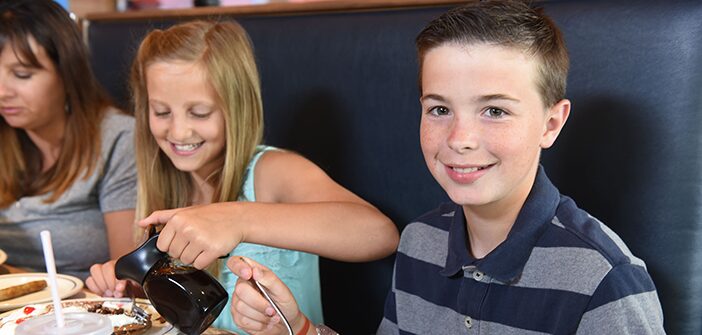
Kids Eat Free* at IHOP® Restaurants is back! Known for being the originator of serving freshly made breakfast at any time of day, every day, IHOP invites families to savor the last weeks of summer by spending time together at dinner — all while stretching back-to-school dollars since kids 12 and under eat free with the purchase of adult entrées from September 1 to September 25, 4-10 p.m. every day at participating restaurants.
The Kids Eat Free deal includes dishes from the “Made for Fun” kid’s menu, featuring favorites like the Silver 5, five of IHOP’s silver dollar-sized world-famous Buttermilk Pancakes served with a scrambled egg and hickory-smoked bacon and Jr. Chicken and Waffles, with two all-white meat chicken strips paired with two Belgian waffle quarters and served with whipped butter and choice of dipping sauce. The latest kid’s menu innovation from IHOP is sure to be a crowd pleaser too – new Cheesy Cheese Pizza starts with an “only-at-IHOP” Criss-Croissants® crust and topped with tangy marinara sauce and melted Monterey Jack & Cheddar cheeses.
“We know that families are looking to soak up the final days of summer together and what better way to do that than over dinner together? IHOP and our franchisees invite guests to enjoy quality time together as a family while relishing the made-to-order breakfast foods, beverages and more that they crave and can only find at IHOP – now at an even better value with our Kids Eat Free offer,” said Kirk Thompson, Senior Vice President, Marketing for IHOP.
With more than 100 signature menu items to choose from, there’s always something delicious for parents too. Want to indulge a sweet or savory craving? Try Criss-Croissants, the dish that when first introduced by IHOP last year, millions of people asked “how did they do that?!” This signature IHOP breakfast dish is made from 27 layers of flakey, buttery croissant pastry dough that is waffled to a golden brown before being stuffed with three new filling combinations: delectable Salted Caramel and Banana, mouth-watering Strawberries and Sweet Cream Cheese or savory Egg, Spinach Roasted & Red Pepper.
Or, choose from one of IHOP restaurants’ new, hand-seasoned, 100% USDA Choice beef burgers served on a mouth-watering Brioche bun, like the new Denver Omelette Burger which tops the beef patty with layers of white cheddar cheese, ham and a Denver Omelette made with green peppers and onions. With many IHOP restaurants open 24 hours a day, every day of the year, guests can always fulfill a craving for breakfast foods — and more — made your way.
Angelina College Receives Technology Grant
Angelina College will receive more than $330,000 from the Jobs and Education for Texans (JET) grant program. This grant will allow the college to purchase new equipment and replace aging equipment for welding courses used in its Welding Technology associate degree and certificate programs. These courses are in great demand because of the need for welders in the East Texas region.
Workforce Solutions Deep East Texas reports that the manufacturing and industry sector, which includes welders, is in the top six industry sectors in East Texas. The purchase of the new equipment will allow AC to enroll up to 20 students per welding course section on its main campus in Lufkin. Forty more students per semester will be able to enroll in welding courses because of the funding.
The new equipment includes 10 Clean Air LEAF dual weld station ductless welding booths and 20 Miller PipeWorx welding machines. The machines are designed for all types of welding processes including shield metal arc welding pipe welding, flux-cored, gas metal arc welding, and gas tungsten arc welding. Along with the welding machines and booths, a Ridgid beveling machine is included.
This machine will allow Angelina College to train students to use a safer method for cutting and beveling metal. The equipment will be in place and ready for use for the spring 2017 semester. The JET program awards $10 million biannually to help public community and technical colleges, and independent school districts (ISDs) defray career and technical education program startup costs. This program will allow AC to grow the partnerships with its 45 area ISDs in the college service area and more specifically the six area independent school districts in Angelina County to offer training in welding to high school juniors and seniors.
High school students are able to earn a Level 1 Basic Certificate in Welding Technology while they attend high school. Upon graduating, those students will have the basic skills needed for entry level employment or continued skills training in the intermediate welding certificate and/or the associate welding degree.
For more information about the welding programs at Angelina College, contact the Technology and Workforce Division at (936) 633-5246. For more information about the JET grant program, contact Janice Huffman, workforce development coordinator, at jhuffman@angelina.edu.
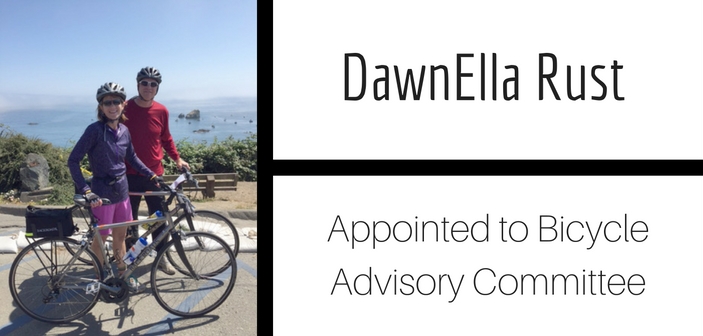
DawnElla Rust Appointed To TxDOT Bicycle Advisory Committee
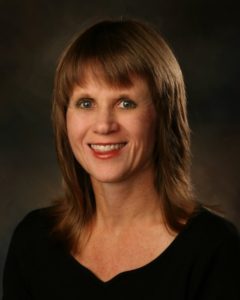
Stephen F. Austin State Department of Kinesiology and Science Department Professor DawnElla Rust has been appointed by the Texas Department of Transportation (TxDOT) as a member of the Bicycle Advisory Committee.

Members of the TxDOT Bicycle Advisory Committee (BAC) are selected from all areas of the state and represent a cross section of people with various backgrounds. The committee is made up of 11 individuals who serve 3 year terms.
As a public health educator, Rust’s passion for being healthy and her expertise regarding bicycling makes her ideal for this position as the committee’s objective is to advance the consideration of bicycling as part of transportation planning and construction.
Rust is an avid biker in her personal time and also brings this passion into the classroom as she teaches students how to develop bicycle friendly communities. She has been instrumental in securing funding for service learning grants to facilitate more biking by students in the community and in 2008 secured a grant which extended a multi-use trail in Nacogdoches from the Texas Department of State Health Services.
“I believe the creation of transportation infrastructure that includes bicycles is a public health issue,” Rust said. “I can provide knowledgeable advice to TxDOT and the Texas Transportation Committee as they consider bicycle issues in developing policies and activities affecting bicycle use.”
Rust’s knowledge and support of bicycling has been recognized by TxDOT as only candidates who are knowledgeable about bicycle accommodations and about transportation and transportation funding are selected.
This appointment is not a paid position but members are asked to travel at their own expense to meet in Austin quarterly.