Home Blog Page 693

Boots & Brew tickets on sale soon!

0

The Nacogdoches Jaycees and Nacogdoches Main Street are excited to announce that tickets for the second Boots & Brew event presented by Brookshire Brothers will be on sale at the Liberty Bell, 422 E. Main Street, in historic downtown Nacogdoches beginning at 111 a.m. Tuesday, September 1st.

Slated for Saturday, September 26th, 2015 from 6 to 10 p.m. the second Boots & Brew event will have a limited audience with only 800 tickets available for purchase, so we encourage everyone to get their $40 ticket early.  You can purchase tickets using cash, check or credit card, however organizers encourage cash and check so that event proceeds can be used for downtown beautification and to support the youth of Nacogdoches County.

Boots & Brew will feature live entertainment by Soul Track Mind, an Austin based band who was incredibly well received earlier this year at the Big Nac Festival. They will take the Plaza Principal stage at 7 p.m.

Ticket prices include both a wine and pilsner tasting souvenir glass. Attendees will have the opportunity to enjoy a variety of both beer and wine samples and chat with industry experts.

Growing East Texas Figs

0
Perhaps one of the more iconic trees growing next to older homes in east Texas is a fig tree. Figs are one of the first fruits planted by settlers.  Figs are also mentioned numerous times in the Bible.
If you are looking for a great addition to your landscape that can be expected to produce, consider figs. When planted in a good location, figs can thrive and do exceedingly well for many years.
My dear friend, Jan Knox makes some of the best fig preserves I’ve had.  She and her husband Aubrey have a wonderful fig tree at their residence south of Lufkin. It’s about fifteen feet tall and bears a crop annually.
When choosing a site for figs, select an area that has sun for most of the day.  Although figs can be grown in all types of soil, they do not tolerate poorly drained sites. Avoid sites and soils where water stands for more than 24 hours after a rain. In areas of poor drainage, roots receive insufficient oxygen, which results in stunted growth and eventual death of the tree. If you already have a fig tree and it survived the water-soaked soil earlier this year, then you are probably in the clear.
There are three more commonly recommended varieties for this area. ‘Celeste,’ which is the most cold hardy, and is very productive. ‘Texas Everbearing’ is another common, hardy variety with large early fruit. ‘Brown Turkey,’ is another old favorite that does well. These last two can sometimes be injured in freezes, but come back to bearing quickly.
Soil moisture must be managed carefully because most roots of the fig trees are close to the soil surface and can easily dry out. Figs are very susceptible to soil-borne nematodes that feed on small roots and reduce water movement into the tree. For these reasons, apply water to the trees as drought develops. Slight leaf wilting in the afternoon is a good indication of water stress.
Mulching with straw or grass clippings helps maintain uniform soil moisture and reduces weed competition for available soil water. Water stress frequently causes premature fruit drop of Texas fig varieties which do not have true seeds. This problem is very common in hot, dry areas when the fig tree is grown in shallow soil and roots are nematode infested.
Trees planted in shallow sites are subject to injury or death when the soil is saturated with water. Good water management, including regular irrigation and mulching, helps maintain tree health and vigor and reduces fruit drop.
Jan’s fig tree produces about approximately 50 pints of fig preserves each year depending on whether she preserves them whole or mashed.
She has been gracious enough to share the recipe below that she got from her mother, Polly Bonds, who taught Jan how to cook.
For each quart of figs to be preserved, you’ll need 2 Tbs. baking soda and 3 cups boiling water to cover.
First, sort the fruit and cut off the stems.
Then you rinse the figs and cover with the baking soda and boiling water. Jan dissolves the baking soda in the boiling water and then pours it over the figs. Let sit approximately 5 minutes. Drain and rinse well with cool water.
Now, for every 2 cups of fruit, add 1 cup sugar and 3/4 cup water (overripe figs – use less water) and add slices of fresh lemon (approximately one lemon per large pot of preserves)
Next, in a very large pot or Dutch oven, bring syrup to boil. When at a boil, add prepared figs and cook on slow boil until desired tenderness and thickness of syrup. Ripeness of figs determines length. Do not overcook or figs will be hard.
Lastly, pack in hot sterilized jars while figs are still simmering.  Be sure to wipe any fruit bits or juice from top rim of jars so they will seal well. Add the lids and seal. Then let cool and enjoy.
Jan did share a jar with of me last year and I can attest they were outstanding.

 

Six Reasons for Headaches in School-Age Children and How Parents Can Help Relieve the Pain

0

As the school year approaches and begins, many parents may start to hear their children complain about headaches.

According to Nick DeBlasio, MD, a pediatrician in Cincinnati Children’s Hospital Medical Center’s Pediatric Primary Care Clinic, about 10% of school-aged children and 15-27% of teens experience them from time to time.

Headaches can be triggered by a number of different things. Here are the most common causes of occasional headaches in children:

Inadequate hydration. Not drinking enough fluids is one of the biggest causes of headaches. This is especially true when the weather gets warmer and kids become more active outside and lose fluid through sweating. If this is the case, the cure might be as simple as having your child drink more water.

Diet. Does your child eat regular meals? Skipping one meal, like breakfast, can trigger a headache. It’s also important to make sure that your child is eating a well-balanced diet with lots of fruits and vegetables. Too much caffeine and certain foods can cause a headache as well.

Sleep. Kids in middle and high school typically need at least 10-12 hours of sleep a night. Not sleeping enough at night can cause a headache. And getting less than 10 hours isn’t enough to feel well-rested.

Stress. We all experience stress from time to time, and children and teens are no exception. If your child is under a lot of pressure from school, or experiencing big changes at home like a divorce or a big move, a headache can result.

Vision problems. If your child is unable to see what’s happening at the front of the classroom, he might be straining his eyes to see far away, which can result in a headache. A vision test can give you a better understanding of whether or not your child’s headaches are being caused by vision problems.

Family history. Your child is more likely to have headaches if a parent gets them as well.

If your child has a headache, try giving her water and over-the-counter ibuprofen. Follow the instructions on the package for the appropriate dosage and do not give it to your child more than three times in a week. If it persists for a few days or worsens, call your child’s pediatrician.

Fortunately the majority of headaches in children are not a cause for alarm. However, there are a few instances which require a little more investigation. If your child’s headaches have become more frequent or severe, if he wakes up in the morning or the middle of the night from it, or if the headache causes vomiting, it’s best to have your child evaluated by your pediatrician.

He or she will perform a physical exam and decide if any tests need to be done. Brain MRIs and CT scans are rarely needed. If your pediatrician suspects a migraine, she might refer your child to a neurologist who is familiar with medications to help prevent and treat them.

Cincinnati Children’s Hospital Medical Center

Getting Kids Back to School Safely

0

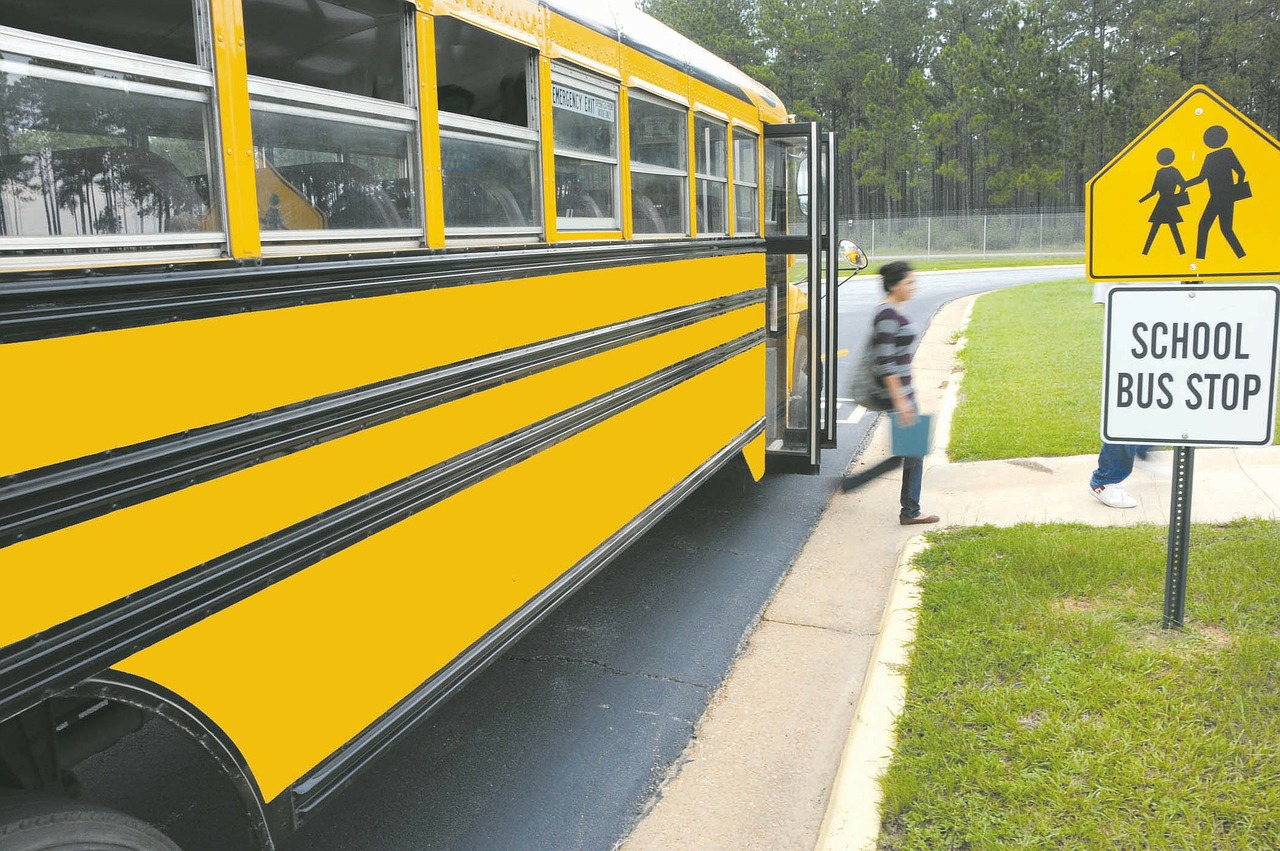
Part of heading back to school is actually getting your kids back to school safely. According to the Centers for Disease Control, on average, there is one pedestrian death every two hours and a pedestrian injury every eight minutes in the United States. Vehicles and kids can be a very scary combination whether the child is walking, biking, riding or driving.

“It’s important for parents to go over and enforce traffic-safety rules when kids are heading back to school. Talk to your kids and have them verbally repeat the rules back to you. Don’t just go with a head nod, make sure they know the rules and why they are important,” said Bridget Boyd, MD, Loyola University Health System pediatric safety expert and assistant professor in the Department of Pediatrics at Loyola University Chicago Stritch School of Medicine.

When walking to and from school Boyd says kids need to be extremely careful when crossing the street and to try to always use crosswalks.

“If possible, children should try to cross with a crossing guard and make sure they know never to cross where cars are not looking for them, like running across the middle of a street,” Boyd said.

She also suggests having an adult walk the child to school. If this isn’t possible, do a few trial runs. Walk to school with your child a few times together to ensure he or she feels comfortable and understands the route.

If there will not be adult supervision here are some safety rules:
• Always walk in a group
• Take the same, safest route. Don’t look for shortcuts
• Always use crosswalks and the assistance of crossing guards when available
• Be aware of your surroundings
• Don’t talk to strangers
• Do not wear headphones

“Wearing headphones can be distracting, making us less attentive to our surroundings and possibly run into other people, trees or cars. They cause us to be less aware of dangerous situations that make children more vulnerable to predators. If your child must wear headphones, ask him or her to only have them on one ear so they can still hear,” Boyd said.

The headphone rule should be enforced for bike riding as well. Here are a few bike-riding safety tips.
• Obey traffic laws just like vehicles do. Bikers must stop at stop signs and red lights.
• When riding a bike always wear a helmet.
• If your child is younger encourage him or her to walk the bike across the street.

One of the best ways to make sure your kids are safe is to help them get a good night’s rest.

“When a child is sleep deprived he or she is not able to make good, quick decisions, which can lead to injury,” Boyd said. “After a summer of staying up late and sleeping in, that early morning alarm can be torture. The best way to get kids back on a sleep schedule is to start a few weeks before school and every night move the alarm about 15 minutes closer to the school wake-up time.”

She also recommends keeping cell phones out of the bedroom and powering them off each night.

“Cell phones are one of the worst offenders for stealing sleep. Consider giving phones a bedtime as well as your kids. At a certain time, all phones are powered off and tucked into their chargers in a common area of the house, not a bedroom, to be charged overnight and let everyone in the house get some rest,” Boyd said.

Loyola University Health System

Make the Most of the End of Summer

0

The clock is ticking on the sunniest season. With the end of summer drawing near, considering switching things up to help you make the most of every day.

Be Your Own Bartender

That new neighborhood hot spot where everyone knows your name? Your patio. Try experimenting with frosty, whole-fruit drinks recipes like margaritas and adult smoothies, but watch the sugar if the party gets too steamy.

“During a season with high temperatures, you want to stick with bright, refreshing flavors,” says Tom Macy, bartender and co-owner of Clover Club. “Stay away from stronger, spirit-forward cocktails and go for drinks with fresh-squeezed juice and crisp, seasonal fruits and vegetables. Something that will help you cool down without getting you in over your head.”

Macy suggests trying out one of his newest creations — the Jalapeño Cucumber Margarita, which includes; jalapeño tequila, fresh lime juice, simple syrup, ice, freshly cut cucumber slices with the optional addition of cilantro. For the full recipe, visit TomMacy.com.

Redefine Your Vacation Beard

For the gentleman, along with the summer getaway comes the vacation beard. Understandable, as who wants to shave when there are sights to be seen and adventures to be had? It’s easy to come back to civilization with a beard looking a little weary instead of worldly. That’s no problem — these furry celebrations of off-the-clock leisure can become your canvas.

“Going on, or returning from vacation is the perfect time to switch up your look,” says Christopher Hunt, Editor-at-Large at AskMen. “If you let your facial hair run wild while you had a few days off — all the better — now you have something to play with. Shape it into a sharp goatee or trim it down into a classic, timeless scruffy look. Or shave it all off and start over. You can head into work feeling fresh.”

Hunt suggests trying out the new BIC Flex 5 Razor because it has a “Balancing Sphere” that gives better shave control. Its precision edging blade is useful in difficult spots, such as under the nose and around the sideburns. “It’s all about creating a definition for whatever unique facial hair style you choose, with the right tool for the job,” he says.

Make Workouts Fun

Think of the days when you wanted to stay outside all day, running around and playing games. Why not combine friendly competition with your workouts?

Find a park and invite friends or coworkers for an old-fashioned game of “capture the flag.” It’s a fun way to increase heart rates.

Once you’re done, invite your thirsty crew home to check out your bartending skills.

For more lifestyle tips from Macy and Hunt, visit www.BicFlexRazors.com.

Don’t let the end of summer pass you by. With fall almost here, end your summer with new traditions.

(StatePoint)

Back-to-School Anxiety Common for Kids and Adolescents

0

As the number of days of summer vacation decrease, children and adolescent anxiety levels often increase. In addition to getting school supplies, registration completed and vaccinations up to date, it’s important for parents to talk to their kids and understand how they feel about heading back to school.

“Anxiety is one of the most common mental health challenges for children. Uncertainty fuels the fears, especially during times of transition like starting a new school year,” said Theodote Pontikes, MD, pediatric psychiatrist at Loyola University Health System and assistant professor in the departments of psychiatry and behavioral neurosciences and pediatrics at Loyola University Chicago Stritch School of Medicine.

Pontikes said establishing a routine that’s similar to a school routine can help limit anxiety. This includes:
• Bedtime and wake-up schedules
• No naps
• Scheduled meals and snacks

“It’s important for children to engage in a pattern of physical activity. This helps release excess energy and facilitate relaxation and sleep onset at night,” said Pontikes.

It’s also helpful for children to practice how they will get to and from school and if possible to meet their teachers and tour the school.

“When it’s time to head out on that first day, consider putting a small trinket or photo in your child’s backpack, so they feel connected to home. You can teach your children relaxation techniques such as deep breathing, positive self-talk and visual imagery exercises so they feel prepared to manage stressful situations,” Pontikes said.

Other ways to help alleviate anxiety include parents sharing personal stories of how they overcame school-related worry situations. For younger children, reading books about starting school can be helpful. For older children, role-playing anticipated scenarios they may find difficult and walking through the problem and finding solutions in a safe environment can relieve anxiety.

According to Pontikes, the most important thing a parent can do is spend time with their children talking about their fears, connecting and making them feel secure.

“It’s important for parents to be attuned to their child’s concerns regarding school, as they help their child cope with anticipatory anxiety,” Pontikes said.
It’s not just school-age children who have anxiety. Many college students living on their own, often for the first-time, can feel anxious and stressed, too.

“When a child heads off to college they need to still feel connected to their parents. Parents should establish a schedule of communication on a regular basis via telephone and even texting,” said Pontikes. “Participating in parents’ weekend and other activities for families as well as just being available to listen can help your college student realistically achieve short- and long-term goals.”
Suicide is the second-most-common cause of death among college students. To keep college kids safe and well, Pontikes suggests parents talk to their children about peer pressure, academic stress and substance misuse, keeping the lines of communication open. Also, make sure the college student knows where to go on campus if s/he needs help, like the student counseling center.

“Children of all ages should feel safe to go to school and to talk about their experiences with their parents. When anxiety becomes paralyzing and students aren’t able to look forward to learning and aren’t able to embrace the academic experience, parents must seek consultation from a mental health professional, to provide guidance and discuss recommendations for care and treatment,” said Pontikes.

Loyola University Health System

Fall Home and Garden Clean-Up Project Tips

0

Fall is the ideal season to tick items off your home exterior to-do list. The weather is finally cooler, making the work more enjoyable; and a thorough fall clean-up will give you peace of mind all winter.

Your MVP during home maintenance season can be the pressure washer. Up to 75 times more powerful than a garden hose, a pressure washer is a versatile tool that offers an efficient way to get a variety of cleaning tasks done.

Deck

Once you’re ready to stash away outdoor furniture for the season, remember to wash it down first for a deeper clean than a garden hose can provide. Before moving these items into storage, first let them dry completely.

Ensure your deck is free of mold and debris. A thorough clean will also serve to prep your deck for weatherproofing with a stain or sealant (another useful task to include on your fall checklist.)

Outdoor Surfaces

Rejuvenate driveways, patios, sidewalks and other large flat surfaces quickly and with no streaking using accessories like the Briggs & Stratton Surface Cleaner that works on a 14-inch diameter in one stroke. It features a dome shape to control overspray to protect walls and flower beds.

Grill

Cleaning your grill is a breeze with a pressure washer. First disconnect the propane tank and move it away from the area. Disconnect any electrical lines. Prop up the hood and remove the grates. Treat the entire grill with a degreasing solution, working from the bottom of the cart up to the grill bed. Let the degreaser work for a few minutes. Be careful around gas hoses, connections, electrical components or heating elements.

Using a general medium-pressure spray pattern, flush detergent and rinse any residue, working from the top down. Let the grill dry thoroughly, then coat with nonstick oil to help reduce future build-up.

Safety

Operate a pressure washer only outside, far away from windows, doors and vents to reduce the risk of carbon monoxide gas from accumulating and potentially being drawn towards occupied spaces.

Always wear goggles and closed-toe footwear when operating a pressure washer. Don’t spray near children, pets, electrical wires, or power lines. After use, allow the unit to cool down before storing.

Efficiency

To switch between jobs more efficiently, consider a unit that offers versatility in its function. For example, The POWERflow+ model from Briggs & Stratton has a high pressure mode — ideal for cleaning tough grime — and a high flow mode which delivers up to five gallons of water per minute to rinse away soap and debris on delicate surfaces like patio furniture, vehicles and second story windows.

For more outdoor fall cleaning tips, and for resources on choosing a pressure washer right for your home’s needs, visit www.briggsandstratton.com.

This fall, get ready for winter with quick and simple outdoor clean-up tasks.

(StatePoint)

Exercise Alone Does Not Help in Losing Weight

0

Physical activity has many health benefits, ranging from reducing the risk of heart disease, diabetes and cancer to improving mental health and mood

But contrary to common belief, exercise does not help you lose weight, according to public health scientists Richard S. Cooper, MD and Amy Luke, PhD of Loyola University Chicago Stritch School of Medicine.

“Physical activity is crucially important for improving overall health and fitness levels, but there is limited evidence to suggest that it can blunt the surge in obesity,” Drs. Luke and Cooper wrote in the International Journal of Epidemiology.

Drs. Cooper and Luke have been studying the link between physical activity and obesity for years. When they started their research, they assumed that physical activity would prove key to losing weight. But the preponderance of evidence has shown that assumption to be wrong.

If you increase your activity, your appetite increases and you compensate by eating more food. So with or without increasing physical activity, calorie control remains key to losing or maintaining weight.

“This crucial part of the public health message is not appreciated in recommendations to be more active, walk up stairs and eat more fruits and vegetables,” Drs. Cooper and Luke said. “The prescription needs to be precise: There is only one effective way to lose weight – eat fewer calories.”

Dr. Cooper is a professor and chair and Dr. Luke is a professor and vice chair of the Department of Public Health Sciences of Loyola University Chicago Stritch School of Medicine.

The food and beverage industry has tried to divert attention from calorie consumption by promoting the theory that lack of physical exercise is a major cause of obesity. For example, the New York Times recently reported that Coca-Cola, the world’s largest producer of sugary beverages, “is backing a new ‘science-based’ solution to the obesity crisis: To maintain a healthy weight, get more exercise and worry less about cutting calories.”

In the International Journal of Epidemiology, Drs. Luke and Cooper detailed the evidence that physical activity is not key to losing weight. Here are some examples:

• It’s often argued that low obesity rates in Africa, India and China are due in part to strenuous daily work routines. But the evidence does not support this notion. For example, African Americans tend to weigh more than Nigerians. But studies by Dr. Luke and colleagues found that when corrected for body size, Nigerians do not burn more calories through physical activity than African Americans.
• Numerous clinical trials have found that exercise plus calorie restriction achieves virtually the same weight loss as calorie restriction alone.
• Observational studies show no association between energy expenditure and subsequent weight change.
• Extremely small proportions of the U.S. population engage in levels of energy expenditure at a sufficiently high level to affect long-term energy balance.

While physical activity has many benefits, multiple lines of evidence lead to the conclusion that an increase in physical activity is offset by an increase in calorie intake, unless conscious effort is made to limit that compensatory response,” they said.

Loyola University Health System

Nac PAL Hosts Back-to-School Family Fun Beautification Event & Play Date

0

–Nacogdoches Parks Advocacy League (PAL) invites the community to mark the end of summer with fun and service at a Family Fun Park Beautification Project and Play Date on Saturday, August 29. The beautification project will be held from 9:30 a.m. to 11 a.m. at Temple Park Spray Station, 1100 Martin Luther King Jr.  Blvd, PAL’s Project of the Year. The occasion will be an amphibious event, withparticipants encouraged to wear swimsuits or water wear to enjoy the sprayers and playground while taking time to pick up trash and perform other simple maintenance tasks. Trash pick­up begins at 9:30 and sprayers turn on at 10.

“Temple Park is not a huge project in terms of trash pickup and beautification,” says PAL Vice President and Beautification Committee Chair Michelle Cox of the City’s only free and public water feature. “It does the lion’s share of hosting in summer though, and we want to highlight what an asset it is to the community and the potential it shows. It’s such a fun park whether the sprayers are off or on and we want to show our appreciation, as well as make it more visible to the public.” This free event is also a great opportunity to enjoy a picnic in the park with other volunteers. PAL will provide water and shade tents, but volunteers are encouraged to pack brown bag lunches and picnic blankets and take the opportunity to enjoy dining in nature.

Beat the Heat: Exercise Safety on Hot Summer Days

0

It’s always important to be conscious of weather conditions when you exercise, but especially when it comes to extreme heat.

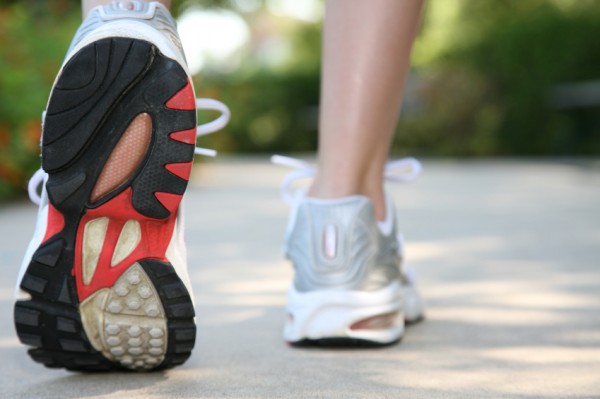
“Heat injury can be life-threatening. If you take the right precautions, there is no reason you can’t get in some great outdoor exercise, even though the thermostat is on the rise,” said Pietro Tonino, MD, director of sports medicine at Loyola University Health System.

Sweat stains on our shirts and shorts aren’t pretty, but sweat is integral to keeping us healthy in the heat, Dr. Tonino said.

“Sweat is our body’s way of cooling off. But as we perspire, we lose necessary body fluids, which leads to dehydration. When we become dehydrated, we lose the ability to sweat appropriately and become susceptible to heat injury. There are many factors that can lead to injury and need to be considered before exerting yourself on a hot day,” said Dr. Tonino.

To help avoid injury, Dr. Tonino offers this advice:

  1. Humidity affects how easily sweat evaporates from skin. Sweat must be evaporated to cool off the body. When humidity is 60 percent or greater, it is difficult for sweat to evaporate into the air.
  2. Clothing choice is just as important when exercising in the summer months as in the winter months. Dark clothing absorbs heat and can drastically increase the chance of heat stress.
  3. Sun exposure can lead to skin cancer and increase your body temperature. So be sure to slather on the screen and reapply it every two hours. Also look for shaded places to exercise to help keep your core temperature down.
  4. Acclimatization allows our body time to adjust to the heat. So, take is slow at first and make sure you’re in good health before exerting yourself in the heat.
  5. Age is an important consideration. Children have a more difficult time adjusting to the heat than adults do and are less effective at regulating body heat. So, take extra care with kids in the heat.
  6. Dehydration, even in mild levels, can hurt athletic performance. If you don’t have enough fluids, you can’t effectively cool yourself off.
  7. Drinking water is a must before you head outdoors to exercise. If you are dehydrated before beginning your exercise routine, you are at greater risk for heat injury. Make sure you are hydrated before, during and after exercising in the heat.
  8. High body fat levels make it more difficult for a body to cool itself off.
  9. Medications such as diuretics and stimulants can increase your risk of heat injury so check with your doctor if you are taking any medications before exercising in the heat.
  10. Fevers already have caused the body temperature to rise. If you have a fever or recently had a fever you should not exercise in the heat. Your core body temperature is already high and this leaves you susceptible to heat injury.

The most severe type of heat injury is heat stroke which can happen suddenly and can be deadly. When suffering a heat stroke your body can’t cool itself. Your core temperature can rise to 104 degrees F causing organ system failure.

“If you think someone is suffering from heat stroke, call 911 immediately. Then, move them out of the sun and cool them off with cold towels, fans or an ice bath, if available,” said Dr. Tonino.

To avoid this extremely dangerous condition, prevention is critical. Here are a few tips:

  1. Break frequently to rest and rehydrate. This is essential to prevent heat injury.
  2. Make sure you are hydrated, but not overly hydrated. Drink when you feel thirsty and monitor your urine output. The darker your urine the less hydrated you are. Drink enough fluids to keep your urine a very light color. Overhydrating can be dangerous as well so the best way to know is to listen to your body and drink when you are thirsty.
  3. Weigh yourself before and after activity to monitor water loss. Make sure you have replaced fluids before your next exercise session.
  4. Gradually increase activity in the heat over a period of 7-10 days to allow adequate acclimatization.
  5. Wear light-colored clothing and sunscreen
  6. Schedule outdoor exercise during the coolest times of day, either early in the morning or after sunset.

“So, beat the heat and enjoy these warm days. All too soon we’ll be giving sledding tips,” said Dr. Tonino.

Loyola University Health System