


How Lumber, Railroads, and Grit Shaped the Communities We Call Home
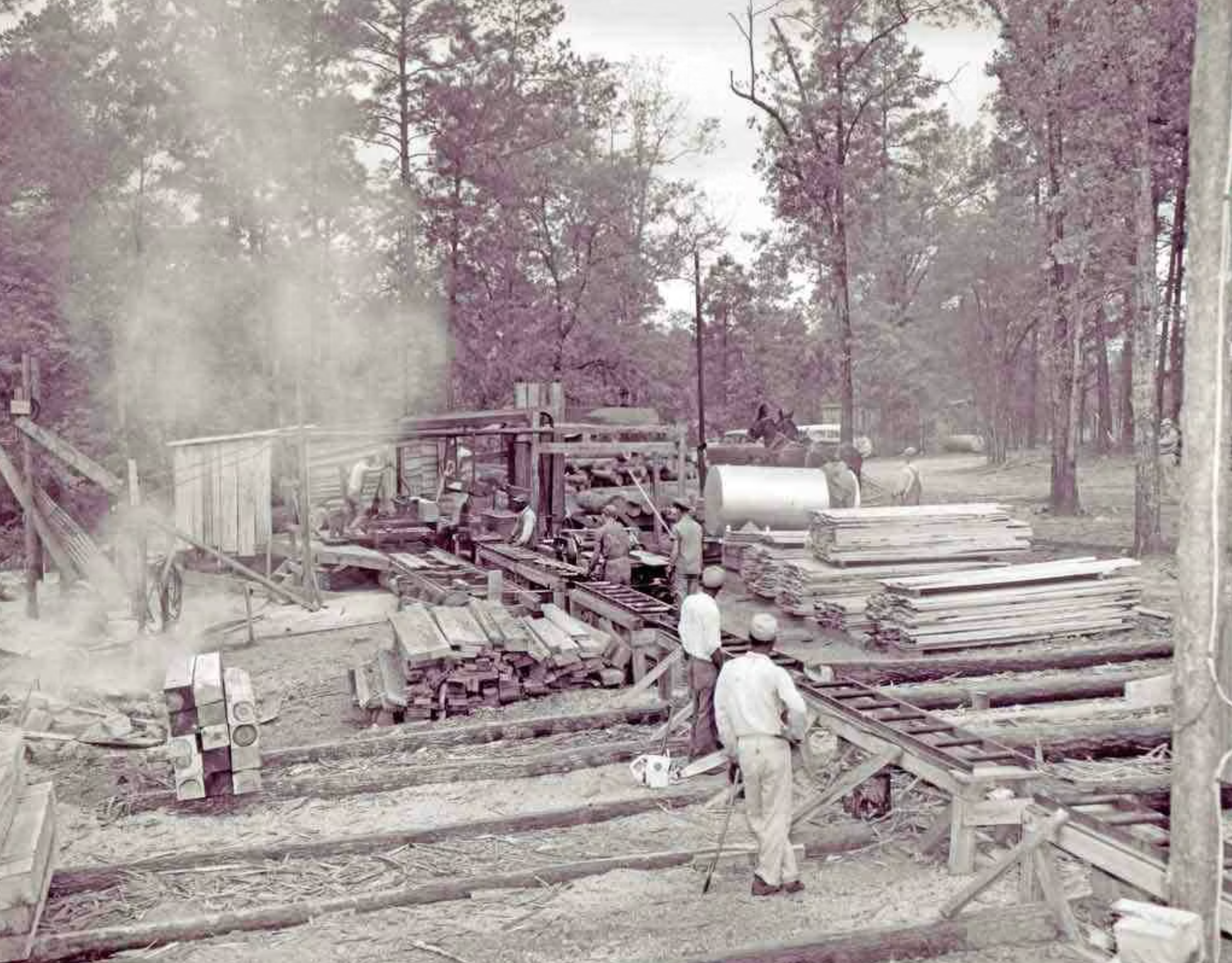
The transportation of logs and lumber was an issue until the train came through East Texas in the 1880s. This made it possible to transport lumber faster and further than ever before and helped to begin the sawmill boom in Texas which lasted from the 1880s to the 1930s.
Towns grew up around sawmills, and everyone who lived in the town worked for the mill company. Homes were on a graded scale so the better the job, the better quality the home you lived in. Men went to work for the company while women worked at home cleaning, washing clothes, mending, raising kids, and making all of the food from ingredients. Kids went to school but often the girls were the only ones to graduate because if the family needed the money, the sons would begin working in the mill at about 11 or 12 years old.
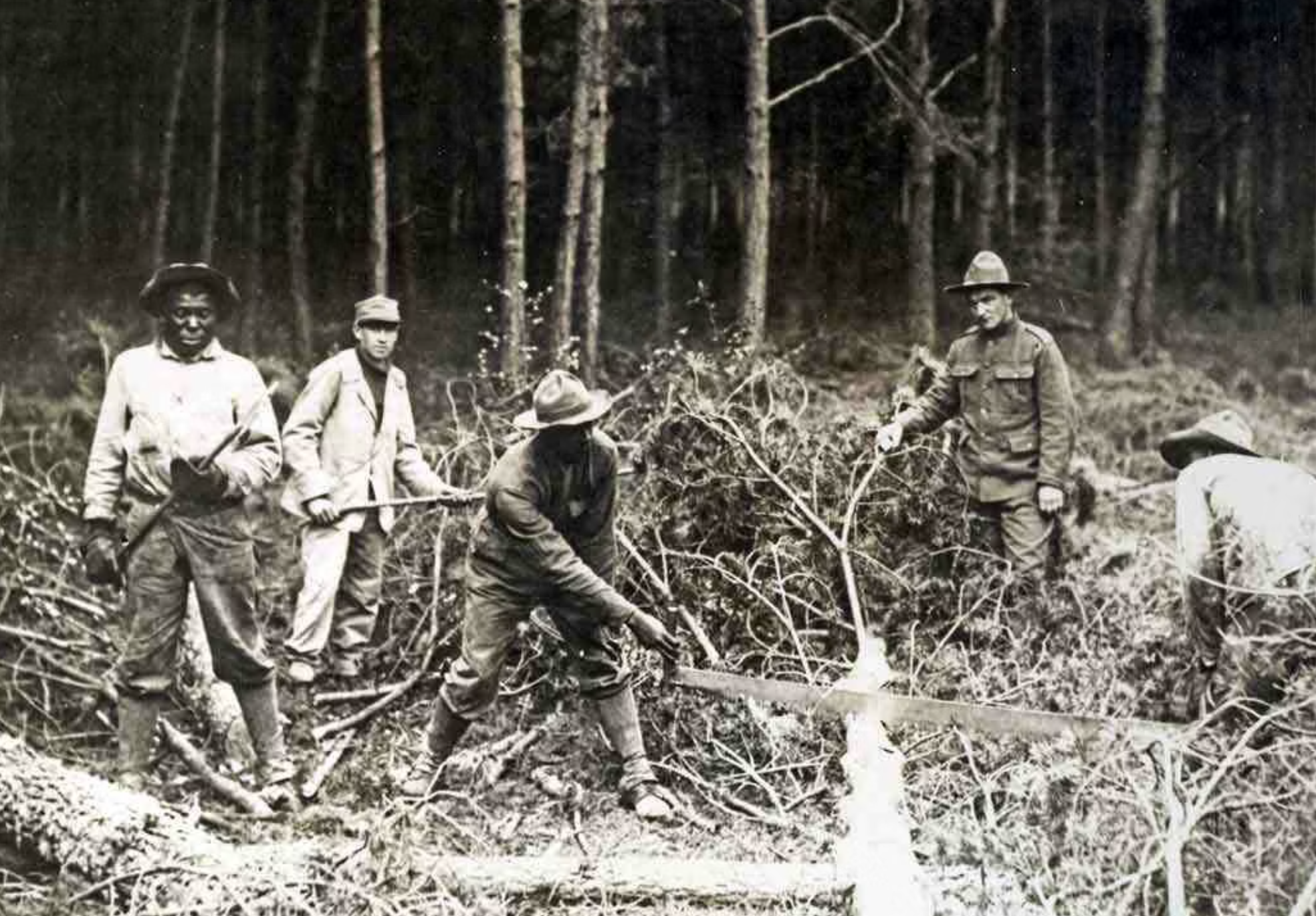
If the men worked in the woods cutting down trees, the family often lived in front camps and did not travel back and forth to town. These were temporary houses like tents or boxcars that could be packed up and moved to a new site to cut down more trees.
Exploring the History
The list of Angelina County historical markers is a great resource to learn about the local sites of sawmill history. There are free scavenger hunts at the Texas Forestry Museum where you can work your way through the locations. It’s not all sawmill history but many of the dozens of markers are. It’s interesting to see how the town has changed and yet you can still see glimmers of the history that built this area.
The Decline — and What Rose from the Ashes
The decline of the sawmill boom in Texas happened for several reasons including mill fires, the cut-and-get method, and the Great Depression. In some cases, no new companies replaced the lost jobs when the mill closed and the towns became ghost towns. When the whole town is employed by one company and that company closes, there are no local income sources for the residents, and they’re forced to move.
However, in other cases, new industries were brought in like Lufkin’s Southland Paper Co. The paper mill opened in the late 1930s and created hundreds of jobs and was a vital part of Lufkin’s economy until it closed in 2003.
Why This Matters Today
This history is important because all history is important. We do not live in a 2026 time bubble. We are affected by the lived experiences of our parents and grandparents. When we understand more completely what their lives were like and why they are the way they are, we can better understand ourselves and our lives today. The sawmill boom’s effects are a large part of who East Texans are today whether we’re aware of it or not.
Dig Deeper
The Texas Forestry Museum protects 35,000+ artifacts (including 6,000+ photographs) of Texas forest history, and they are open to researchers — from those who are mildly curious to those working on in-depth academic research. To explore their archives, you can make an appointment by contacting them at 936-632-9535.
Local archives like The History Center in Diboll and the East Texas Research Center in Nacogdoches are also great resources for those wanting to learn more about East Texas history.
Recommended Reading
Sawdust Empire by Maxwell and Baker
Axes, Oxen, & Men by Walker
East Texas Mill Towns & Ghost Towns: Vol 1–3 by Block
Nameless Towns by Sitton and Conrad
All of these titles are available in the Texas Forestry Museum’s archival library for public access.
TEXAS FORESTRY MUSEUM
1905 Atkinson Drive, Lufkin, TX 75901
936-632-9535
Kendall Gay, Director
Author:
Bobbie Langston
With contributions from Kendall Gay, Director, Texas Forestry Museum