


Home Blog Page 384

DPS is reminding Texans that May is Motorcycle Safety and Awareness Month

0

LUFKIN – The Texas Department of Public Safety (DPS) and our partners at the Texas Department of Transportation remind motorists during Motorcycle Safety Awareness Month to share the road and look twice for motorcycles, especially at intersections, where motorcycle crashes often occur.

Motorcycles and their operators are more exposed than other vehicles on the highway. They can easily be overlooked due to their size, which makes motorcyclists inherently more vulnerable while on the road.

Though motorcycle riders have many of the same duties as drivers, they face several unique challenges. Motorcyclists may have to quickly slow down for road hazards, bumps, or other obstacles that threaten a rider’s safety. A vehicle traveling too close to a motorcycle in these circumstances significantly increases the risk of a collision.

According to the Texas Department of Transportation, there were over 7,500 motorcycle crashes reported in 2019, with 406 crashes resulting in a fatality. Of the fatal crashes, approximately 46% of those killed were not wearing a helmet. On average, a motorcyclist is involved in a fatal crash every day on Texas roads.

By following these basic safety measures, drivers and motorcyclists can substantially reduce their chances of being involved in a serious or fatal crash:

·         Perform a visual check for motorcycles by checking mirrors and blind spots before entering or exiting a lane of traffic and at intersections.

·         Always assume motorcycles are closer than they appear to be.

·         Use turn signals before changing lanes or when preparing to turn.

·         Don’t follow a motorcycle too closely — in many situations—a motorcycle can stop quicker than other vehicles.

·         Wear protective gear when riding on a motorcycle.

·         Never drive or ride while distracted.

·         Don’t drink and drive when operating a motorcycle or any vehicle.

·         Obey posted speed limits.

Motorcyclists must be properly licensed to operate a motorcycle in the State of Texas. Currently, more than 1.1 million individuals possess a Texas Class M (motorcycle) license. Proof of successful completion of a DPS-approved basic or intermediate motorcycle operator training course is required for licensing. Licensed motorcyclists may also take a refresher course to reinforce safe riding techniques. Last year the DPS Motorcycle Safety Unit trained approximately 33,000 motorcycle operators.

The Motorcycle Safety Unit coordinates training courses at 250 locations around the state for both basic and experienced riders. For more information on motorcycle training or to find a training location in your area, call 1-800-292-5787 or visit Motorcycle/ATV Safety Unit

In Texas, motorcyclists age 21 and older may ride without a helmet only if they have completed a safety course or are covered by an applicable insurance plan. All operators and passengers under the age of 21 are required to wear a helmet.

SFA Athletics’ NCAA violations result of ‘self reported’ incident, institutional transparency

0

Yesterday (5/19), the news broke via sources at ESPN and the communications department with Stephen F. Austin State University Athletics that the university’s athletic department would be facing sanctions from the NCAA regarding student athlete’s academic performances being improperly recorded since 2013, and findings have indicated that real scores would have left the program below the academic threshold the league has instituted.

APR, or Academic Progress Rate, is the meter by which member programs of the NCAA can quantify and measure academic success. This measure was put in place in 2004 as a means to maintain academic integrity across a league in which member organizations have a proven track record of being unable to fairly govern themselves in order to gain or maintain a competitive edge.

APR scores are released by the league annually near the end of the academic year, and while SFA has recently been touting their exceptionally high academic grades from their student athletes, it would appear that this has not entirely been the case over the past six years.

What is the APR and how is it calculated?

While the idea of a more contemporary and accurate measure of a team’s academic success sprouted in the early 2000s as part of a comprehensive reform effort, it wasn’t until the 2004 NCAA Convention that what is now one of the most recognizable acronyms in the NCAA was officially adopted.

The APR, or Academic Progress Rate, holds institutions accountable for the academic progress of their student-athletes through a team-based metric that accounts for the eligibility and retention of each student-athlete for each academic term.

The APR is calculated as follows:

  • Each student-athlete receiving athletically related financial aid earns one point for staying in school and one point for being academically eligible.
  • A team’s total points are divided by points possible and then multiplied by 1,000 to equal the team’s Academic Progress Rate.
  • In addition to a team’s current-year APR, its rolling four-year APR is also used to determine accountability.

Teams must earn a four-year average APR of 930 to compete in championships. 

–http://www.ncaa.org/about/resources/research/academic-progress-rate-explained

According to Ryan Ivey, Director of Athletics at SFA, the incident was the cause of a clerical error performed by compliance staff back in 2013 in which all transferable credits for athletes were counted into the equation, while only ‘degree-applicable” credits are supposed to be taken into account. Naturally, this discrepancy would have allowed for APR scores over the years to be incorrectly portrayed as higher than accurate data would have.

Regarding questions raised about foul play possibly being involved during a press conference via Zoom this afternoon, Director of Athletics Ryan Ivey stated “I want to make [it] clear that [Coaches are] not involved in the certification process in any way.”

Ivey went on to explain how the program discovered the APR error this time a year ago and have made consistent efforts to maintain transparency with the NCAA in order to ease negotiations and lighten sanctions, which it would appear they did successfully.

According to the university the Level I (Mitigated) sanctions agreed upon by the NCAA and Stephen F. Austin include the following:

  • Three years of probation;
  • Public reprimand and censure;
  • A fine of $5,000 plus one-half of one percent of the total budgets for football and men’s basketball;
  • The return of 50 percent of the University’s financial share earned from participation in the 2016 NCAA Tournament;
  • The forfeiture of all records and contests in which an ineligible SFA student-athlete competed, which includes 29 football victories from 2013-2019; 117 men’s basketball victories from 2014 to 2019; 112 baseball victories from 2015 to 2019; 31 softball victories from the 2018 season; and adjusted conference championship scores from women’s golf, women’s track and field, men’s cross country and men’s track and field.
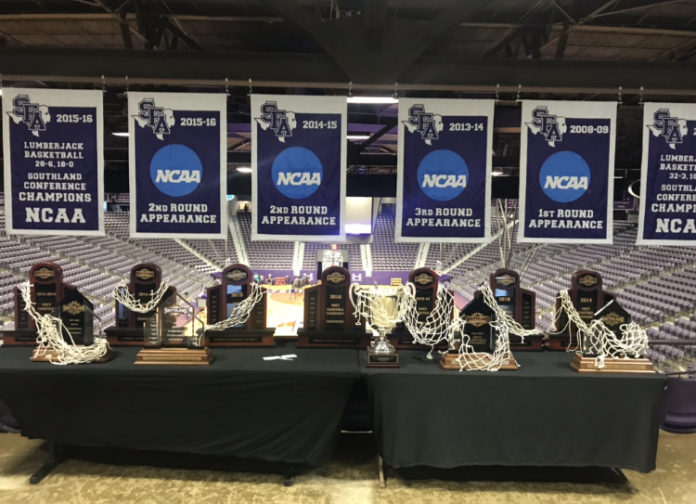
  • Included in the vacation of wins are conference championships in men’s basketball in 2014-15, 2015-16 and 2017-18, as well as the program’s First Round win in the 2016 NCAA Tournament.  The banners recognizing those achievements will be removed from William R. Johnson Coliseum.
  • A 2.5% reduction in financial aid awards (scholarships) in football for 2020-2021 and 2021-2022; a 5% reduction in baseball in either 2020-21 or 2021-2022 and the loss of one scholarship in men’s basketball in either 2020-2021 or 2021-22.
  • Prior to the conclusion of the probationary period, the institution will submit to a data review with APP staff.

An unfortunate reality of the situation is that now arguably the best half decade of the program’s history now has this ugly stigma attached to it; not to mention the fact that if the problem had originated in 2013 as reported, then an entirely different administration- one which didn’t yet include Ivey and two of the three head coaches whose programs are implicated in the low score findings. The SFA Athletics’ leadership structure currently in place- and their recruiting efforts- will have to suffer the transgressions of a previous administration before moving ahead on what arguably may be one of the quickest upward trajectories of any Mid-Major programs in the nation.

Ryan Ivey- SFA athletic programs to serve one-year playoff ban

0

“Today, the NCAA publicly released Academic Progress Report (APR) scores for all Division I athletic programs, including Stephen F. Austin. These four-year cohort APR scores began with the 2015-2016 academic year. As noted in its release, three SFA sports programs (men’s basketball, football and baseball) failed to meet the minimum four-year cohort APR score of 930 needed to avoid penalties. As a result, these programs must serve the Level I APR penalties, which include a reduction in countable practice hours and a one-year postseason ban. The University has been approved to delay the men’s basketball postseason ban until the 2021-22 season, while football and baseball will serve their bans during the 2020-21 academic year.

Beginning in 2013, an athletics department administrative error in the academic certification process resulted in the miscalculation of SFA’s reported APR scores. Once the administrative error was identified and corrected, the APR scores of these three programs fell below the 930 threshold. Procedures are now in place to prevent a reoccurrence of the error. 

The athletics department has been focused on academic progress and is proud of its current student athletes who collectively earned a 3.21 GPA for the spring semester.“

-Ryan Ivey, Director of Athletics, Stephen F. Austin State University

Is SFA Athletics gearing up for a postseason ban?

0

According to a tweet from Jeff Goodman, ESPN college hoops insider, and former media member of FoxSports.com and CBSSports.com, Stephen F. Austin Athletics will supposedly be serving a one-year postseason ban:

The APR, or Academic Progress Rate, is explained by the NCAA to be a value which represents the total of a program’s academic success, and is used as a means to encourage athlete participation in the classroom. According to Goodman, SFA was unable to meet the minimum threshold and will be serving a one-year postseason ban.

This ruling is following a 28-3 season for men’s basketball and the second consecutive offseason which the football program built a top 5 signing class, and the best in the Southland Conference.

Texas forest country Game Wardens prove they know the game better than you do.

0

Below are two incidents close to home which Texas Parks and Wildlife deemed worth sharing with us, and are certainly worthy of telling. These officers of the law are the ultimate champions of wildlife conservation, and know their counties arguably better than anyone else around.

Losing all my Cool

April 2nd– A Polk County game warden was checking fisherman on a nearby shoreline for freshwater fishing compliance when he spotted a man emerging from under a bridge with a pole and tackle box. When the warden asked if he had a fishing license, the man said he didn’t need one because he wasn’t fishing. The warden showed the man the fresh bait and water dripping off the hook and asked if he would like to start over. The man then confessed to fishing, not having a license and being on probation. When asked if he had any weapons or illegal narcotics, the man said he didn’t want to go to jail and admitted to having marijuana in his car. The warden started to do a pat down search when the man turned and tried to distract the warden, then confessed to possibly having cocaine in his possession. The warden found multiple folded dollar bills containing a white powdery substance. A Polk County Sheriff’s Office Narcotics and Probation Officer was contacted and took over the case. Charges pending.

Acting Squirrelly

April 25th– An Angelina County game warden was approaching a boat ramp on the Angelina River just before dark when he saw someone driving in his direction. A man quickly laid a gun on the bow of the boat and walked away. When the warden approached the two people aboard the vessel, one decided to change out of wet socks while the other kept talking on their cell phone. The warden unloaded the .22 rifle left on the bow and inspected the cooler in the boat which contained a squirrel that was dressed and put on ice. Since the man started squirrel season six days early, he was issued a citation for hunting squirrels during a closed season. Case is pending.

And these are just two stories out of what I would imagine to be hundreds these officers deal with in a single year. What a job it must be being a game warden- and in our state, no less.

Don’t hunt or fish without the proper licensing, and definitely don’t EVER hunt out of season! Not only can the fine for being without licensing cost up to 500 dollars (trust me), but the penalties can become much steeper depending on what fish or game you are caught trying to keep if you are without the appropriate licensing and/or caught out of season. It’s definitely not worth the risk.

Texas Game Wardens just know the game better. Don’t find out the hard way! Just buy the license and follow the rules- both are in place to help protect native ecosystems, and the money spent on licenses/endorsements goes directly towards conservation efforts in the state of Texas. If you enjoy the sport enough to spend a day or weekend doing them, then it should be worth the cost to you towards a worthy cause to get yourself licensed and follow any relevant laws.

Governor Abbott Announces Phase Two To Open Texas

0

Governor Greg Abbott today announced the second phase of the State of Texas’ ongoing plan to safely and strategically open Texas while minimizing the spread of COVID-19. Under Phase II, restaurants may increase their occupancy to 50% and additional services and activities that remained closed under Phase I may open with restricted occupancy levels and minimum standard health protocols laid out by the Texas Department of State Health Services (DSHS).

Additionally, the Governor announced that public schools in Texas have the option to provide in-person summer school so long as they follow social distancing practices and health protocols laid out by DSHS. These classes may begin as soon as June 1st.

“Today, tomorrow, and every day going forward is one step closer to medical discoveries that can treat and protect people from COVID-19—but until that day comes, our focus is keeping Texans safe while restoring their ability to get back to work, open their businesses, pay their bills, and put food on their tables,” said Governor Abbott. “By continuing to use safe practices, we are slowing the spread of COVID-19 and protecting our most vulnerable. Now more than ever, we need to work together as one Texas. I ask all Texans to continue heeding the guidance of our state and federal medical experts and do their part to protect public health. If we all unite in our resolve, we will overcome this challenge.”

Via Executive Order, the following services and activities may open under Phase II.

  • Child Care Centers (May 18)
  • Massage and Personal-Care Centers (May 18)
  • Youth Clubs (May 18)
  • Rodeo and Equestrian Events (May 22)
  • Bowling Alleys, Bingo Halls, Simulcast Racing, and Skating Rinks (May 22)
  • Bars (May 22)
  • Aquariums and Natural Caverns (May 22)
  • Zoos (May 29)
  • Day Youth Camps (May 31)
  • Overnight Youth Camps (May 31)
  • Youth Sports (May 31)
  • Certain professional sports without in-person spectators (May 31)

All sporting and camp activities are required to adhere by special safety standards, and minimum standard health protocols have been established for all newly-announced opened services and activities. Businesses located in office buildings may also open but must limit their occupancy to the greater of 10 employees or 25% of their workforce.

Additionally, restaurants may expand their occupancy to 50% beginning May 22. Bars—including wine tasting rooms, craft breweries, and similar businesses—may open at 25% occupancy but like restaurants, these occupancy limits do not apply to outdoor areas that maintain safe distancing among parties.

Opened services and activities under Phase II are subject to certain occupancy limits and health and safety protocols. For details and a full list of guidelines, openings, and relevant dates, visit www.gov.texas.gov/opentexas.

Certain counties experiencing surges in COVID-19 cases will have their beginning date of Phase II delayed until May 29. These counties include El Paso, Randall, Potter, Moore, and Deaf Smith. Surge Response Teams are actively working in these areas to increase testing, maintain hospital capacity, and ensure that COVID-19 is contained and mitigated.
During his remarks, the Governor also presented information on the state’s hospitalization and positivity rates—two metrics the Governor and his team of medical experts have used to inform the state’s ongoing plan to safely and strategically open. Details on these metrics can be found in presentation slides here and here.

Re-LIVE Sports

0

I have lost count how many days it’s been since I watched a live sports game, my drug of choice being soccer. I couldn’t believe it when major sporting competitions and seasons were being canceled one by one due to the Coronavirus. First the NBA then March Madness, which hit especially hard since The SFA Men’s Basketball team were about to finish paving their way towards a historic and unforgettable season. Sadly, that would never be. And so, we went from keeping up with our teams, the latest news and stats to sort of forgetting what sport is all together.

I personally transitioned from being in the know with my favorite soccer team, FC Barcelona to becoming a detached stranger to the game. Anyone who knows me personally knows I eat breathe and sleep soccer so they were concerned how I would handle this prolonged and indefinite withdrawal.

At first it was rather strange, not just from not having any soccer to watch every weekend, but not hearing anything about other sports in general was really odd. Watching television was a new and unnerving experience. So, at this point I did what any sports fan would and resorted to watching YouTube videos and highlights of seasons past. It’s certainly not the best experience since we probably watched the game live but for the sake of having something to watch and under current circumstances, it’s okay to take a stroll down memory lane.

However, sports networks also know that not having any sports to broadcast was going to be bad for business since part of their revenue comes from the amount of viewers that are watching at any given time so they had to come up with a solution for this sports drought. Who knew the answer would come from the past?

When my dad was in his younger years, he played soccer at the amateur level, so naturally I followed in his footsteps and fell in love with the beautiful game since the day I knew what a ball was. I remember him telling me stories about the soccer stars of yesteryear and what amazing feats they had accomplished in their time. As I grew up, I had my own generation of athletes to admire and some nearing the end of their illustrious careers. Though I did wish I could have watched the players that my dad grew up with, now legends, that laid the foundation for how the game is played today and set the bar for a new set of players to reach and overcome.

Several sports networks and streaming services are offering classic full-length sports matches and events dating from the 70s through present day. Not only are they replays of the actual game, but they are complete with original commentary as if you were watching it for the first time. Relive moments and players like Michael Jordan in the 90s or Lumberjack Basketball’s historical upset over Duke.

For me, even though the current soccer season is up in the air I am really happy that I can enjoy the sport that I love through my dad’s eyes and enjoy the moments that he cherished growing up and make them my own.

Boaters, Anglers Encouraged to Stay Clear of Coastal Waterbird Rookeries

0

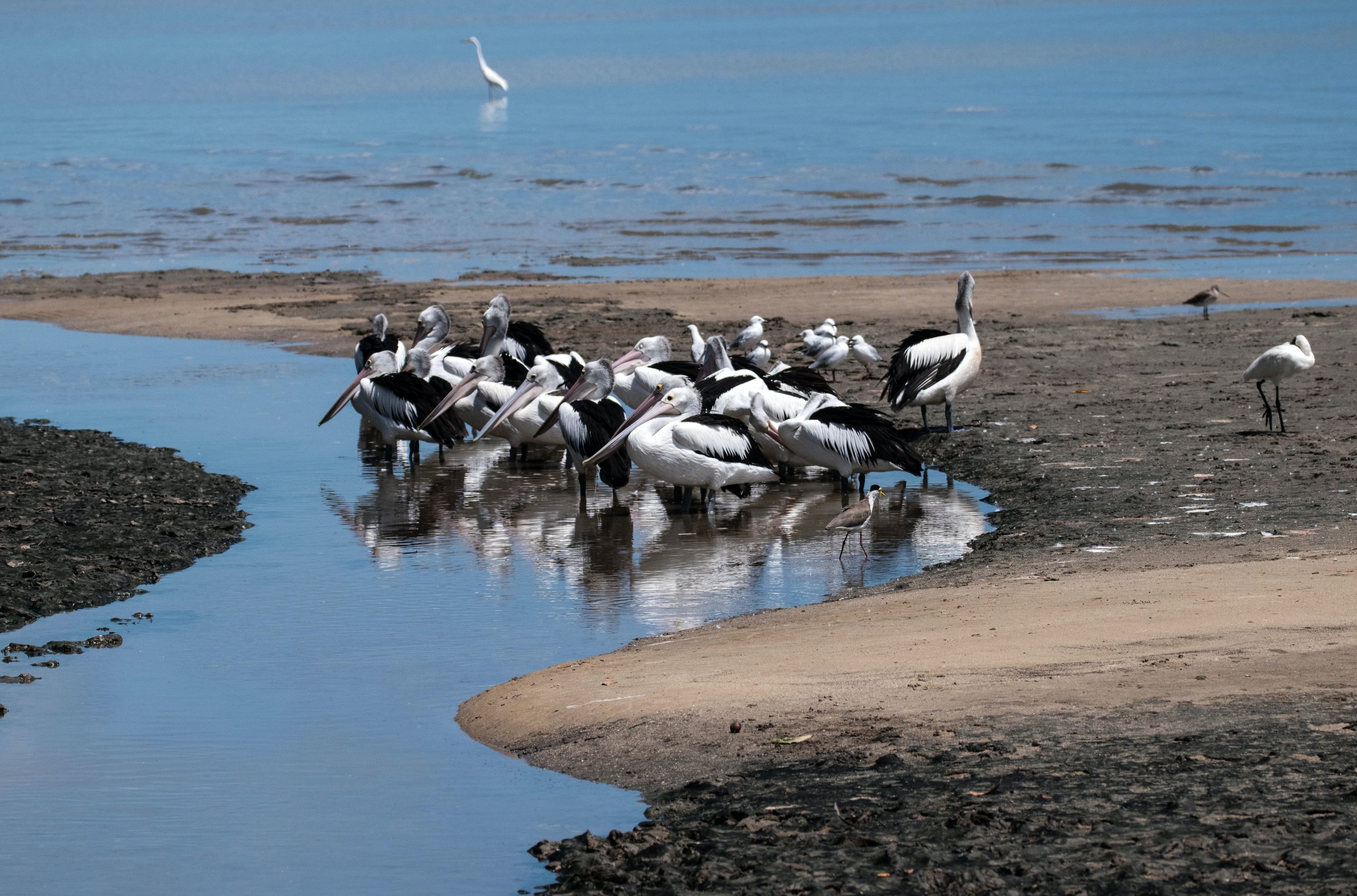
With peak boating season around the corner, Texans recreating on the coast are likely to spot iconic coastal birds like brown pelicans, roseate spoonbills, black skimmers and reddish egrets nesting in dense colonies, called rookeries, which can consist of thousands of birds and a multitude of other species on barrier islands and smaller islands in Texas bays. Texas Parks and Wildlife Department is encouraging Texas boaters and anglers to watch out for these nesting birds while on the coast, so they aren’t disturbed during this sensitive time.

“With too many disturbances, an entire colony of thousands of birds may abandon an island and give up on breeding for the year.  Over time, this can potentially lead to drastic population declines,” says Trey Barron, a Diversity Biologist with Texas Parks and Wildlife Department. “When approached too closely by boaters or people wading nearby, birds are frightened off their nests, leaving eggs and chicks exposed to rapidly overheat in the summer sun and allowing opportunistic predators like gulls and grackles to quickly swoop in and feed on them.”

Colonial nesting waterbirds, whose nests, eggs and chicks are protected under the federal Migratory Bird Treaty Act and by Texas Parks and Wildlife Code, typically nest from late February through August. The islands in which the birds nest are often tiny, including spoil islands, and may only appear as large sandbars. This puts them at a greater risk of encountering people as recreational use by coastal anglers, boaters, birdwatchers, and wildlife photographers, among others, is highest. Of the 25 or so species considered to be colonial nesting waterbirds in Texas, over half are experiencing major population declines.

These birds, and their habitats, are valuable to Texas. Black skimmers, the species featured as the logo for the TPWD Great Texas Coastal Birding Trail signage, have experienced a severe decline, approximately 70%, since record-keeping began with Texas waterbird surveys in 1973.  Similarly, the reddish egret, a state threatened species, attracts birders from all over the world. More reddish egrets nest in Texas than almost anywhere else in the world.

“The black skimmer might be the next bobwhite, a bird which was once widespread in Texas but has disappeared from nearly 83% of its U.S. range,” says Cliff Shackelford, a Nongame and Rare Species Biologist with Texas Parks and Wildlife Department. “Many people now miss hearing the bobwhite’s sweet whistle, and soon saltwater anglers and boaters may miss the graceful waterbird that skims the surface in search of a meal.

The Texas Colonial Waterbird Society, a large partnership of federal and state agencies, universities, and non-profit organizations, recommends that people fish, swim and play from 50 yards away from rookery islands to minimize unintentional and potentially illegal disturbance. While the nesting islands are often attractive spots for kayakers and other boaters, it’s important for humans, and their pets, to keep a safe and respectable distance.

“The habitats that waterbirds use are the same habitats in which we, including myself, enjoy fishing, hunting and photographing wildlife,” Barron said.  “We just have to remember to give them their space, especially during the nesting season, and pick up after ourselves.  If you’re out on the water, look for the yellow signs that identify rookery islands and keep your distance.  We can all enjoy the same places as long as we do it responsibly.”

For more information visit https://tpwd.texas.gov/huntwild/wild/wildlife_diversity/tcws/.

SFA recreation center to reopen today

0

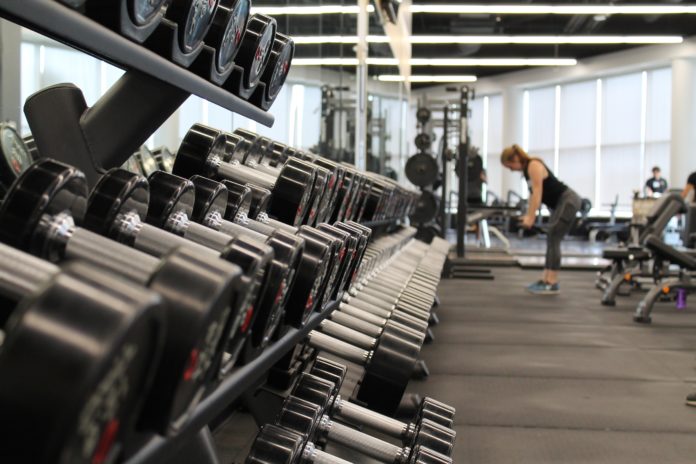
The Student Recreation Center and outdoor pool at Stephen F. Austin State University reopens today, operating under strict new guidelines that meet or exceed the minimum standard health protocols set forth by state health authorities.

The safety measures include reducing occupancy to 25%, maintaining at least 6 feet of space between all patrons and staff members, increasing equipment cleaning and disinfecting throughout the day, and instituting a no-contact check-in process. The locker rooms’ changing and showering areas will be closed, and patrons will be strongly encouraged to wear masks and gloves.

At the pool, water sanitation will be maintained, and equipment such as kickboards and water weights will not be available. Only one person per lane will be permitted during lap swim, and group size may not exceed the number of individuals within a household or a maximum of five people arriving together. A complete listing of the center’s COVID-19 response policies can be viewed online.

“We have done our very best to provide a safe environment for our patrons and staff while mitigating the risk of spreading COVID-19 in our facility,” said Ken Morton, director of campus recreation at SFA. “We are asking everyone to please take seriously these safety precautions we have put in place, which will allow us to fulfill our mission of promoting Lumberjack wellness while prioritizing the health of our patrons, as well as our staff.”

The Rec Center suspended operations March 17 as SFA initiated a general campus closure in response to the COVID-19 pandemic. On May 5, Gov. Greg Abbott announced Texas gyms would be allowed to reopen Monday with approved minimum standard health protocols in place.

Rec Center members were contacted this week about the plans for reopening and the new health and safety measures being put into place. According to Ben Telesca, assistant director of campus recreation for facilities and member services, the response to the news has been overwhelmingly positive. “Lots of people have been in contact with us already, and they seem very excited to be returning to work out with us beginning next week.”

Morton said the facility’s large size made it relatively easy to accommodate new social distancing requirements. For example, one of the gyms has been taken offline so that some individual exercise machines could be moved in and more space created throughout the building.

“We are blessed to have a facility with plenty of space that allows us to move things around and create additional workout spaces to maintain needed social distancing,” he said.

Dr. Janice Ledet, director of university health services, and Dr. Jeremy Higgins, director of environmental health, safety and risk management at SFA, are helping lead the newly created “Open SFA Task Force” and are responsible for vetting and approving plans to reopen campus facilities. They recently toured the Student Recreation Center with members of the campus recreation staff and have carefully reviewed the facility’s new policies.

“Ken and his staff have gone above and beyond the minimum standard health protocols required by the governor, and their facility is in pristine condition,” Ledet said. “I have every confidence they are doing exactly what they should be doing at this point in time to keep themselves safe, as well as their patrons.”

The Rec Center is the first SFA facility to officially reopen, and Higgins said its plan will likely serve as a model for other campus spaces to follow.

“Certainly, the Rec Center has met all of the state’s requirements and even gone beyond the minimums in many cases,” he said. “I would never advise the public to go anywhere I wouldn’t feel comfortable sending my own family, and I would definitely feel comfortable with my family using the Rec Center and pool.”

The Rec Center will have reduced operating hours: 8 a.m. to 8 p.m. Monday through Friday with the first hour of each weekday reserved for high-risk patrons. Weekend hours will be 10 a.m. to 6 p.m. Saturday and noon to 6 p.m. Sunday. The pool and courtyard will be open from 1 to 7 p.m. Monday through Friday and noon to 5 p.m. on weekends.

“While we are taking the COVID-19 pandemic extremely seriously and doing all we can to lower the risk of spreading the virus, we are also very happy to have taken the necessary steps to now be able to offer our services again,” Morton said.

“We know there is a very strong correlation between exercise and overall wellness and mental health,” Morton said. “It also provides a boost to our immune system and can be a great stress reliever. These are things that benefit all of us, especially during an unprecedented time such as this.”

Rec Center membership is open to SFA students, as well as members of the faculty, staff and SFA Alumni Association. For more information, contact the SFA Campus Recreation Department at (936) 468-3507 or campusrec@sfasu.edu or visit sfasu.edu/campusrec.

-Courtesy of the Stephen F. Austin State University News and Media Center.

Brownie Bottom Cheesecake- #FoodieFriday!

0

If there was ever a way to mix two of the world’s most delicious delicacies, why would you not attempt it? Of course, I had to try it and I’m here to share the recipe with you because, frankly, I was shocked! You’ll find out why soon.  

Ingredients: 

  • Brownie Mix (I used Betty Crocker, but you’re welcome to choose whatever you please). If you choose to use this brownie mix, you’ll need the ¼ cup of water, ½ cup of vegetable oil, and the 2 eggs that go with it. 
  • 2 eggs (this is separate from the two you used for the brownie mix). 
  • 2 packages of cream cheese 
  • 1 teaspoon of vanilla 
  • ½ cup of sugar 

I know what you’re thinking… that’s it?? That. Is. It. I know, I was shocked, too. I didn’t even have to go to the store to buy any ingredients because I already had them! Wait until you taste it, you’ll be even more shocked.  

Process: 

  1. Preheat oven to 350 degrees Fahrenheit 
  1. Make your brownie mix and pour it into the baking pan of your choice 
  1. Put the cream cheese, vanilla, and sugar into a bowl and beat together until it is smooth 
  1. Now, pour the contents of the bowl on top of your brownie mix 
  1. Bake for about 30 minutes 
  1. Reduce the heat to 325 degrees Fahrenheit and bake for 15 more minutes 
  1. Let it cool! 

Talk about a quick, easy, and delicious recipe! Trust me, I completely doubted that something with such a small amount of ingredients would taste so good, but you won’t believe me until you try it for yourself! And, as always, don’t forget to enjoy it with your family during this difficult and strange time in the world. This is guaranteed to make your quarantine a little less miserable!