





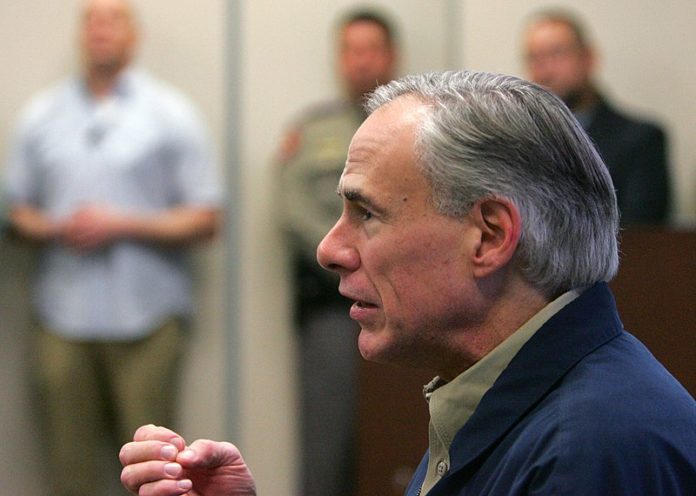
| Governor Greg Abbott today placed numerous resources on standby across the state in anticipation of severe weather — including straight-line wind, large hail, and flash flooding — expected to impact several parts of Texas today through the weekend. The Texas Division of Emergency Management (TDEM) has rostered Texas A&M Forest Service Saw Crews, Texas Parks and Wildlife Water Rescue Boats, Texas A&M Engineering and Extension Service Urban Search and Rescue and Swift Water Rescue Boat Squads, and Texas Department of State Health Services Ambulance Strike Teams. The Texas State Operations Center remains activated at Level II in support of the ongoing response to COVID-19. “The State of Texas has placed these resources on standby as a precautionary measure to help respond to any potential severe weather and protect Texans across the Lone Star State,” said Governor Abbott. “Over the weekend, Texans should pay attention to weather alerts and heed guidance from their local officials as these storms cross our state.” Texans are encouraged to follow these safety tips: When severe storms threaten, the safest place to be is indoors. Avoid areas already flooded and avoid any fast-flowing water. Be extremely cautious of any water on roads or in creeks, streams, storm drains, or other areas – never attempt to cross flowing streams or drive across flooded roadways and always observe road barricades placed for your protection. Remember, Turn Around Don’t Drown. Dangerous waters can seem deceptively calm, and if you encounter flooding, move to higher ground. Keep in mind that flood dangers are even harder to recognize at night. Stay informed by monitoring weather radios and news broadcasts for updated information on current and anticipated severe weather in your area. State agencies involved in the response effort include the Texas Division of Emergency Management, Texas Department of Public Safety, Texas Department of Transportation, Texas Military Department, Texas Parks and Wildlife Department, Texas Department of State Health Services, Texas A&M Forest Service, Texas A&M Engineering and Extension Service, Texas A&M Task Force One and the state’s Mass Care Team. For additional safety tips related to severe weather, read more: http://ready.gov/severe-weather Additional resources and information: Floods Thunderstorms Tornadoes |
Governor Abbott Prepares State Resources As Severe Weather Threatens Parts Of Texas
Pineywoods Region Fishing Report- Weekend of 5.15.2020
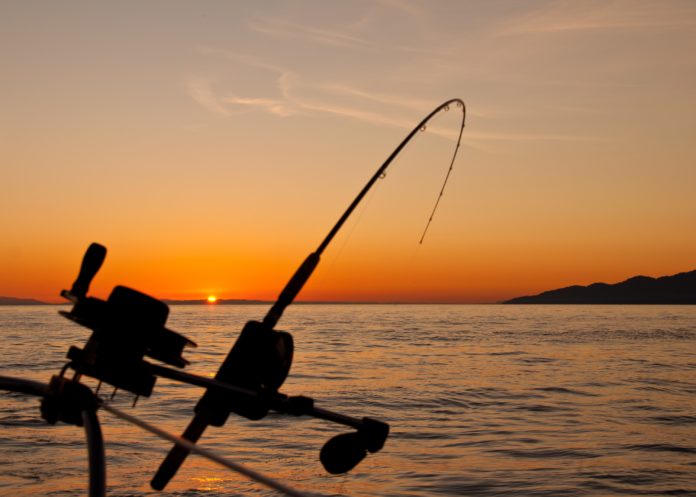
GOOD. Water stained; 76 degrees; 0.28’ low. Largemouth bass are good popping topwater on points and shallows early and late. During the day use spinners, and rigged soft plastics to work the same areas. Crappie are good with minnows. Catfish are good on cut and prepped bait coming out of the river, especially at night.
GOOD. Water lightly stained; 72-76 degrees; 0.24’ high. Black bass are good on senkos, crankbaits and Carolina rigged worms in 11-15’. Plastic frogs and topwater plugs are working early in 2-7’ in or near grass and lily pads Crappie are fair on jigs and minnows in brush piles and standing timber. Catfish are good on earthworms, cut bait, and shiners in 6-15′.
EXCELLENT. Water stained; 68-71 degrees,1.63’ high. Largemouth bass are excellent in shallow water near trees and cover in 1-4’ fishing plastic creatures and frogs, topwater, and rattle baits. Crappie are good on minnows and jigs near brush piles and submerged structure. White bass are excellent on jigs and small crankbaits in the main lake. Chain Pickerel are fair. Catfish are excellent on prepared bait and live bait in 6-15’.
FAIR. Water stained; 76 degrees; 1.13’ low. Largemouth bass are good fishing deeper cover with Carolina rigs, spinners, and crankbait between 5-15 feet. Crappie are good on minnows and jigs moving from structure to structure. Hybrid striped bass are decent moving all the time following baitfish. Catfish are good on stinkbait, cut bait, and small minnows deep. Sunfish are fair with live worms or crickets in shallow water.
EXCELLENT Water lightly stained; 69-75 degrees; 0.09’ high. Largemouth bass are excellent on plastic worms, topwater and chatter baits near roadbeds, submerged structure and points in 8-12’ and plastic frogs in shallow grass and lily pads. White and yellow bass are fair in deeper water of main lake points, flats, and humps. Crappie are excellent on jigs and minnows in 12-20’ in brush piles. Catfish are good on cut bait and punch bait in 8-20’.
GOOD. Water lightly stained; 76 degrees; 0.00’ high. Black bass are fair on chartreuse and white spinners, some crankbait, green pumpkin seed or watermelon red worms. 6 lb 4 oz using black and blue worm near a dock at the dam area in 7’ water. Crappie are good on live minnows moving brush pile to brush pile. Bream are good on live worms. Catfish are excellent using frozen shrimp and worms.
GOOD. Water stained; 72 degrees; 0.78’ high. Largemouth bass are good on crankbaits, flukes, frogs, topwater baits, and Carolina rigged creature baits in 12-15’. Crappie are good on minnows and jigs in the standing timber areas along the creek channel and brush piles 8-15’’. Catfish are good on trotlines and juglines with nightcrawlers, shiners and cut bait in 8-15’.
FAIR. Water lightly stained; 75 degrees; 0.04’ low. Black bass are good staying north trying naturally colored plastic baits, spinners, and some creature baits. Striped bass remain fair but have gone deep. Crappie are having the best time of year on minnows and jigs. White bass remain good on points. Catfish are fair on live baits.
GOOD. Water clear; 73 degrees; 0.05′ high. Largemouth bass are good on crankbaits, and Texas rigged worms in 6-18’. Crappie are good on jigs and minnows in 12-18’ in timber and brush piles. Catfish are good on cut bait and earthworms in 3-15’.
GOOD. Water slightly stained; 75 degrees; Largemouth bass are good working points and a few shallow spots. Nothing seems to be better than weighted Carolina rigged worms. Crappie remain good on jigs. Sunfish are fair on jigs and crickets. Catfish are good on dough balls, cut and live bait.
GOOD. Water stained; 73-74 degrees; Largemouth bass are good on topwaters, jigs, and worms. Sweet spots are below drops and high oxygen territory near creeks and plants. Sunfish are fair on crickets and cutworms.
FAIR. Water stained; 73 degrees; 0.56’ high. Largemouth bass are good on drops, points, and those bassy vegetation spots. Use topwaters like buzzbait and poppers early in the day, weighted worms in vegetation, and spinners to hit the perfect 10-15 depth. White bass are fair with minnows suspending shallower than 20 feet along points. Crappie remain excellent on minnows and jigs nearer shore. Catfish are good on live and stinkbait.
FAIR. Water slightly stained; 73 degrees; 0.17’ low. Be cautious of timber in boat lanes. Largemouth bass remain good fishing Texas islands as they are hitting hard and fast. Best baits are drop shots and walking baits. Striped bass remain fair in deep water using boat instruments to find schools. White bass are fair on deep points fishing Alabama rigs. Crappie are good on minnows over brush piles and in the shadows of timber still around 15 feet. Channel and blue catfish are fair on stinkbait.
GOOD. Water clear; 72 degrees; 0.34’ high. Black bass are good on Carolina rigged creature baits and works, bladed spinners and crankbaits fishing dock structures and brushy shorelines in 6-15’. Crappie are good on jigs and minnows. Catfish are good on prepared bait and live bait. White bass are excellent in 25’ -40’ on swimbaits and slabs.
GOOD. Water lightly stained; 73 degrees; 5.49’ high. Largemouth bass are good on swimbaits, Texas rigged red worms, and rattle baits in flooded areas. White bass are good on jigging spoons and slabs. Crappie are good on jigs and minnows near structure and brush piles in 15’. Catfish are excellent on cut bait, live bait, and blood bait.
–Courtesy of Texas Parks and Wildlife
Lumberjacks in SFA Rusche College of Business will soon benefit from a new partnership with Mustang Cat

The Stephen F. Austin State University Rusche College of Business recently secured a corporate partnership with Mustang Machinery Company, Ltd., a company that sells and rents construction equipment and engines and operates under the name Mustang Cat.

The partnership allows Mustang Cat the opportunity for exclusive access to branding and recruiting possibilities within the College of Business. It also provides students within the college a platform to increase their network while pursuing job and internship opportunities. Details of the partnership include corporate branding, signage, class visits, student prospecting for jobs and internships, and more. Dr. Timothy Bisping, dean of the College of Business, said partnerships like the one with Mustang Cat provide another avenue for students to succeed.
“Partnering with Mustang Cat allows more opportunities for our students to expand their professional skills and explore career options,” Bisping said. “Our goal is to provide a real-world business environment for our students, grow programs, and continue to offer as many opportunities for our students as possible. Corporate partnerships, like the one we have with Mustang Cat, allow us to do this.”
Austin Propes, parts manager of Mustang Cat, feels confident in the partnership.
“Mustang Cat employs many talented alumni from SFA and being involved with the university helps with our ongoing recruiting efforts,” Propes said. “As a family owned local company, supporting a local university like SFA is something Mustang Cat is happy to do and very proud of.”
Mustang Cat joins Hajoca, Kohl’s and Fastenal on the list of College of Business corporate partners. For more information, contact Bisping at (936) 468-3101 or bispingto@sfasu.edu.
–Courtesy of Stephen F. Austin State University News and Media Center
Why are you so Hangry?

Let’s face it- we all love food. It’s everywhere and access to it is practically within arm’s reach most of the time. However, when we delay in feeding our inner beast everything can change within a moments notice. We become irritable and short tempered at the slightest inconveniences. We aren’t the same person that people know and love, instead we become this stranger, monster even, that very few people in our inner circle understand. We become hangry.
But how? How can food alter the way we think, feel and act? To break it down, when we are in a happy state such as when we graduate college or find out we got a raise, our body releases endorphins, otherwise known as the “feel good hormone”. The same thing happens when we eat and it makes the food even more enjoyable and delicious. After we finish a meal the body works its magic and breaks it down into carbs and simple sugars and restores our glucose levels back to equilibrium.
Alternatively, when we start to feel hungry again that means our glucose (sugar) levels are declining and if our sugar level falls low enough it triggers the brain into going into “survival mode” and the body in turn releases hormones to counteract the decrease in glucose levels. The two main hormones released are adrenaline and cortisol. Cortisol is a stress hormone which in some cases can cause aggression.
While our organs have their own back up supply of energy, the brain does not and as such requires a constant supply of glucose, or sugar, to function normally. Interestingly however, the brain only accounts for 2% of our body mass and yet it is estimated that it uses about 20% of the body’s energy intake throughout the day.
So, while the word “hangry” is used to summarize a person’s actions and mood due to lack of food, it’s simply a biochemical response that occurs naturally in an effort to keep the body going as best as possible. Which is why it’s always a good idea to have a snack or two at work, school or any other place where food isn’t readily available so that you can avoid bringing out the beast within.
Sources:
Psychology Today– https://www.psychologytoday.com/us/blog/brain-babble/201607/why-do-we-get-hangry
Cleveland Clinic- https://health.clevelandclinic.org/is-being-hangry-really-a-thing-or-just-an-excuse/
The Show Still Goes On! AC Visual Arts Students Display Work in Virtual Galleries

At the end of each semester, Angelina College art students display their works inside the Angelina Center for the Arts gallery on the AC campus. The gallery typically hosts four student shows per year, offering those students an opportunity to learn how to prepare their work for exhibition in a professional setting.
Because of the recent pandemic, resulting in overall campus closures, this semester’s artists were forced to complete their studio classes on-line, and their chance to showcase their work in an open gallery was canceled.
Gallery curator Le’Anne Alexander wasn’t satisfied with seeing students miss out on the chance to show off their skills. With the help of fellow instructor Jan Anderson-Paxson and those students, Alexander was able to create a “virtual gallery” – an online format designed to share the students’ works with the community. Modeling the AC exhibition after other galleries found world-wide, Alexander was able to ensure the public would be able to enjoy the students’ creations.
“It was a goal I’ve had for the AC Gallery for the past year or two to be able to extend our gallery shows past the date of exhibition closure,” Alexander said. “Other galleries around the world create virtual tours and publish books about their exhibitions as a way of reaching those who can’t make it in person, and as a record of the event. I felt that if we were to be a modern gallery, that we should get on par with this trend.
“The pandemic took away the option to have an in-person exhibition but also gave me the time to sort out how to approach an online show. I did some research as to how others were approaching the same issue and chose the best option available to me at the time.”
The online exhibition is done in two parts; one is a virtual gallery space (found at https://bit.ly/acstudentartexhibition) and the other formatted as a magazine-style publication (found at https://bit.ly/3c9bdbr).
Alexander added that even though the virtual tour will become a permanent part of every semester, “it is important to also contnue to have the in-person exhibition, as students learn the invaluable skill of how to exhibit their work and prepare a gallery show.”
Participating students included the following:
From Alexander’s Basic Drawing class: Cynthia Morales, Hunter Cruz, Ashley Matthews, Audrey Romo, Kenneth Hescott and Amber Weaver. From Alexander’s Basic Design class: Tyderius McCoy, Rut Delagarza and Ashton Wells. From Alexander’s Painting I class: William Tomkins, Ashton Wells, Caitlyn Meyers, Ashley Matthews and Kayla Bergeron.
From Paxson’s Digital Publishing I class: Josh Giles, Guillermo Gutierrez, Nylan Holifield, Francisco Lopez, Shelby Pickard, Esmeralda Ramos and Ty Thomason. From Paxson’s Photography class: Patrick Harvey, Anna Mahan, Austin Peña, Aura Stein, Ashton Wells and Juan Zamora. From Paxson’s Communications Photography class: Kendall Cole and Demee Martinez.


“While we are sad that we couldn’t have our exhibitions in person this year, we are proud of our students for their work and perseverance in this crazy time,” Alexander said. “The students are very excited about the new online format, and we hope to continue promoting them in this way alongside our in-person shows in the future.”
For further information, contact Krista Brown (kbrown@angelina.edu) or Le’Anne Alexander (lalexander@anelina.edu).
Food Supply Issues? Local Ag can be the Answer

I have been getting questions about the availability of food at the grocery stores. It seems that some food items have either gone the way of toilet paper (hoarded) or that the supply has been limited.
Indeed, as we face these interesting days, we are seeing both hoarding and supply chain issues.
I don’t know for certain, but the fact that there was no ground beef the other day at a local Sam’s probably wasn’t that the store couldn’t locate any beef but that there had been a run on it.
Make no mistake, farmers are still raising crops, and stockmen are still raising cattle, pigs, and chickens. The seeds that were planted prior to the onset of the Covid 19 restrictions are still growing quite well and will be ready to harvest in their time.
Yes, crops and livestock will continue to grow quite well, unaffected by any Coronavirus.
The spring calf crop that beef producers had earlier this year will be ready to sell this fall. Fall born calves may be ready to sell now. You can bet several cattle raisers are looking hard at what the markets may be when they typically sell their calf crop.
But how does this play out for these growers? My crystal ball is too scratched and cloudy to tell, but I believe that there is the opportunity for local agricultural producers to take advantage of more local sales in these times.
Let’s look at some food items we have locally that could benefit growers and local consumers with out too much extra fuss.
Vegetable production is an obvious first that many undertake each year. Many of us must have our yearly ration of fresh purple hull peas. I hope that pea growers know that this summer, they have a unique opportunity to plant more with the almost assured chance to sell more. And with the short growth season of this crop, I hope some growers plan on two crops this year.
Blueberry season is upon us. Off the top of my head, I know of four large growers in Angelina County. Each of these growers have ACRES of blueberries that are fresh, delicious, and nutritious. Contact them to see when and how you can fill your freezer with them.
Numerous gardeners already have their spring planted vegetables in the ground. Inquire if they have extra to sell.
Cattle producers may have calves to sell now and will have plenty more to sell later this year. Ask around to see who would partner with you to take side of beef or a quarter of a carcass if that seems the right amount. Next, reach out to a beef producer and ask if they have a calf ready to go to the auction barn.
A novel idea that I’ve considered for years is to purchase a market-ready calf from them, then pay a monthly rate to keep it on grass/feed until you are ready to send it to be processed. Yes, you will bear the burden if something goes wrong. All the more reason to work with growers you trust. Welcome to agriculture!
That arrangement does a few positive things. First it provides the immediate sale of their calf crop. Second, it will generate monthly income to the cattle raiser until you deem it ready. Finally, it will support a local meat packer that you choose to do business with.
I know the devil is in the details with my beef proposal, but I have run over the numbers and believe some enterprising folks could make it work. As you work out the numbers, know that from a 1,000-pound steer, one can expect about a 610 lbs. hanging carcass weight, and about 430 lbs. of packaged meat (cut and wrapped to bring home) that is locally grown, supports local businesses, and will be processed to your instructions.
Lastly, if there was ever a time to trap feral hogs, now is the time! There is no “hunting season” on them. They do terrible damage to cropland, wildlife, and even residential landscapes. They need to go, and they need to go into our freezers. As always, practice the ultimate food safety as you trap and process wild pigs.
I certainly have not been a fan of the “new normal” imposed by the Coronavirus but supporting local food production may be a silver lining.
Toyota Bassmaster Texas Fest Moved to November

The Toyota Bassmaster Texas Fest benefiting the Texas Parks and Wildlife Department has been rescheduled for Nov. 5-8 at Lake Fork in Quitman. The tournament was originally scheduled for June 5-9 but was moved back amid the ongoing public health situation that forced the postponement of the spring competition.
Lake Fork near Emory, Texas, is hosting the Bassmaster Elite Series tournament, where the top bass anglers in the world will be competing for a total prize purse of $1 million. This unique tournament showcases a “catch-weigh-immediate release” format that was designed to honor this lake’s special size limits and reduce handling stress on large bass. TPWD will be on site at the Sabine River Authority from 10 a.m. to 4 p.m. Nov. 7-8 to highlight family-friendly fishing, hunting and camping opportunities in the state.
Proceeds from the tournament, donated by Gulf States Toyota, will benefit TPWD’s youth fishing and urban outreach programs. Programs benefiting from this tournament include the Neighborhood Fishin’ Program, which brings fishing to families at 18 community park lakes in 10 urban areas, and the Texas Division of the Wildlife Forever State-Fish Art Contest, which seeks to interest youth in grades K-12 in fishing.
The official news release from Bassmaster with details about the revised tournament schedule, visit their website: https://www.bassmaster.com/news/bass-announces-revised-2020-tournament-schedule
Survival of the Fittest?

Oh boy, oh boy, oh boy, can I say how excited I am to return to the gym on Monday? And how NOT excited I am?
How can one little fitness fanatic possibly contain all these pent-up emotions without bursting?
Monday, May 18th, 2020 will mark the reopening of Texas gyms according to the latest orders from Governor Greg Abbott.
As a fitness professional, losing the gym to closure was something of a grief-like process for me. For me, the gym is not just a place for exercise. Instead, it is a second home to me and an outlet for life’s ups and downs. Not only did I lose the routine I had carefully built into my daily life, my business, newly feathered, was essentially kicked out of the nest, forced to fly in ways I hadn’t expected. I had to adapt quickly, grief or no.

Since mid-March, I have trained clients via Zoom from my home office. Funnily enough, this was always a training option for me, just never one anyone had taken me up on. Now, I am a skilled techno-trainer with the quick-thinking savvy to use all sorts of household objects in lieu of weights. I have evolved.
We have all seen “survival of the fittest” taking place. This virus has touched everyone.

All of my clients (who include the immunocompromised and at-risk population) have been preoccupied with the latest COVID-19 numbers in the community, their chance of exposure, and hope that their lives will return to “normal” soon. Despite their desire for normalcy, they also fear a resurgence of the virus (which does not seem to be slowing to begin with). Even the most social of my clients is skeptical of leaving their homes.
And what of gyms? Even the most clean are still houses of sweat, shared equipment, and steamy locker rooms. Regulations for the upcoming reopening specify 25% capacity and extra sanitization measures. But will this be enough?
I personally fear gyms will be a hotspot for further cases of the virus.
In another gym, in another time, many years ago, I remember my husband complaining of a painful spot on his leg. Later, at the doctor, he was diagnosed with a staph infection. It was lanced, packed, and he was sent home with the admonition to avoid exercise and getting sweaty. The doctor advised him that the gym was a breeding ground for such things and that staph infections were highly contagious. The next morning, I woke up with one of my own. It was as easy as that.
Looking back on that incident, I can’t help but draw comparisons. No matter how hygienic you might be in your gym etiquette, it only takes a single droplet to become infected.
Personally, I will continue to limit my outings into the community and my own workouts will primarily be conducted at home, no matter how much I miss my second home. Clients who insist on the gym for training will be accommodated, but I will not judge those who find it prudent to remain at home with the option of online training. With my clients, I’m the mama bear and I take responsibility for their safety.

In the same way we try to be accommodating and courteous of others at the gym, we must keep our distance and take extra precautions while there. This is imperative. Your gym will be
following cleanliness guidelines, so step up and do your part. Always, always, always remember to:
● Wash your hands before and after workouts.
● Wipe all of the equipment before and after use.
● Maintain social distancing.
● Consider wearing a face mask.
● Use hand sanitizer.
● Limit personal items brought into the gym.
In closing, I want to share an analogy from The Winner’s Bible, a book I recently consumed. The writer illustrated the difference between an optimist and a realist. Climbing a mountain, an optimist discovers a rock in their shoe. The optimist decides to continue to the mountaintop, rock painfully in shoe, because they will get to the top no matter what. Their positive thinking will not allow them to be derailed. The realist, on the other hand, upon discovery of the same rock, will stop to remove the rock before continuing upward. The rock is painful. The point? Though the realist’s journey will take longer than initially planned, the realist understands that removing the rock will make the journey to the mountaintop easier. Parable for the times?

Brittany Hall is the owner of Brittany Hall Certified Personal Training and Health Coaching LLC. She is an ACE Certified Personal Trainer (ACE-CPT), ACE Certified Health Coach (ACE-CHC), and ACE Mind Body Specialist, all earned with the American Council on Exercise (ACE). She also holds an advanced certification with the Cancer Exercise Training Institute (CETI) as a Cancer Exercise Specialist (CES). She was an attendee at the Active Lives: Transforming Our Patients and Ourselves conference presented by The Institute of Lifestyle Medicine at Harvard Medical School as well as the IDEA World Fitness Convention presented by the IDEA Health and Fitness Association. Her latest venture is as a POP Pilates instructor.
SFA’s Graduate Research Conference winners announced

Winners of Stephen F. Austin State University’s 2020 Graduate Research Conference were recently announced after organizers restructured the annual event as a result of the ongoing pandemic.
“COVID-19 brought an immediate halt to our university’s classes on campus as well as all events, including our annual Graduate Research Conference,” said Dr. Pauline Sampson, dean of the Office of Research and Graduate Studies. “Our great committee jumped into action to change the format from a face-to-face to virtual conference.
“Because one of the conference’s main purposes is to prepare graduate students to present at other professional conferences after they graduate, we did not want them to lose the chance to showcase their work and also be able to include it on their résumés.”
Nineteen research posters and 15 research papers were selected for virtual presentation. They were chosen by members of the Graduate Research Committee, which comprised Dr. Sarah Savoy, associate professor of psychology; Dr. Linda Levitt, professor of communication; Dr. Perky Beisel, professor of history; Dr. Frantisek Majs, assistant professor of agriculture; Dr. Todd Whitehead, associate professor of kinesiology and health science; Dr. Alexandra Van Kley, professor of biology; Amanda Breitbach, assistant professor or art; Dr. Robyn Whitehead, assistant professor of kinesiology and health science; Dr. Leslie Cecil, professor of anthropology; Brooke Ashley, graduate student representative; and Sampson.
Best Poster was awarded to Liam Wolff for his research titled “Assessing Occupancy and Detection of Bachman’s Sparrow (Peucaea aestivalis) in East Texas.” Wolff is a graduate student in the Arthur Temple College of Forestry and Agriculture, and his advisor is Dr. Christopher M. Schalk, assistant professor of forestry.
Best Paper was awarded to Sarah Whitfield for her research titled “Synthesis and Characterization of CO Releasing Bipyridine Palladium Flavonolate Complexes: Potential Anticancer Agents.” She was a graduate student in the College of Sciences and Mathematics, and Dr. Xiaozhen Han, assistant professor of chemistry, was her advisor.
Texas Launches SNAP Online Grocery Purchases Pilot
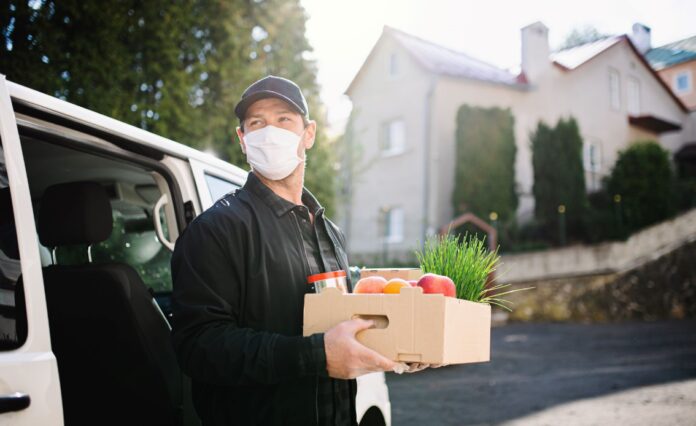
The Texas Health and Human Services Commission today announced the launch of a statewide pilot program allowing Supplemental Nutrition Assistance Program recipients to purchase groceries online at participating retailers for curbside pickup or delivery starting Wednesday.
“As we respond to this pandemic, the state of Texas is committed to helping SNAP recipients throughout the state access nutritious food for their families,” said Governor Greg Abbott. “I thank HHSC for launching this new program and for its continued work to help Texans in need while containing the spread of COVID-19.”
Starting Wednesday, May 13, SNAP recipients can visit participating retailer websites and use their Lone Star Card to purchase groceries for curbside pickup or delivery. Currently, participating retailers in Texas are Walmart and Amazon.
“This innovative initiative helps provide healthy food to Texas families who need it the most during this challenging time,” said HHS Access and Eligibility Deputy Executive Commissioner Wayne Salter. “We’re committed to reducing food insecurity for at-risk Texans.”
SNAP funds may only be used for grocery purchases. Other associated charges such as delivery or convenience fees may not be paid for with SNAP benefits. SNAP recipients do not need to make any changes or updates to their account to use this new benefit and only need their PIN to complete transactions.
This expedited launch is the latest in the COVID-19 response for SNAP recipients in Texas, which includes recipients having their renewal requirements temporarily waived and receiving the maximum eligible allotment by household. SNAP recipients will see the maximum allotment amount on their Lone Star Card by May 15 and do not need to take any further action to receive additional benefits.
About SNAP
This program provides nutrition benefits to supplement the food budget of families in need, so they can purchase healthy food and move toward self-sufficiency. In Texas, SNAP benefits are put onto the Lone Star Card (EBT card), which can be used just like a credit card at any store that accepts SNAP. Texas Health and Human Services administers the federal program throughout the state. More information about SNAP benefits is available here.