Home Blog Page 141

Angelina College Fire Academy Graduates Class 24-61

Ten New Firefighters Exit Stage Ready to Serve

Angelina College’s Fire Academy earlier this week graduated 10 new firefighters in a ceremony held inside AC’s Hudgins Hall, with those cadets wrapping up the grueling 16-week course in style – including a traditional bagpipe escort.  

John Rawls leads the Angelina College Fire Academy cadets’ processional with a traditional bagpipe performance during Monday’s graduation. Ten future fire fighters from Class 24-61 received their recognition in a ceremony held inside Hudgins Hall Auditorium on the AC campus. (Gary Stallard/AC News Service photo)

Micah Snow was named Most Outstanding Cadet in a vote from his peers, and Jeremy Schaeffer earned valedictorian honors, edging classmate Kevin Barnes by one-tenth of a point.

Jeremy Schaeffer, valedictorian for the Angelina College Fire Academy’s Class 24-61, addresses his classmates and the crowd during Monday’s ceremony. Ten future fire fighters received recognition for having completed the challenging 16-week academy. (Gary Stallard/AC News Service photo)

Schaeffer acknowledged the instruction he and his classmates received over their four months of work.

“We’ve had an excellent group of instructors who pushed us mentally and physically to recognize strengths we never knew existed in each of us,” Schaeffer said. “Each one of them brought something different to the field.”

The keynote speaker, Chief Michael Self of the Nacogdoches Fire Department, reminded the new fire fighters they path they’ve chosen is far more than an employment opportunity. It is, he said, a true calling.

Keynote speaker Chief Michael Self of the Nacogdoches Fire Department address the cadets and crowd during Monday’s Angelina College Fire Academy Graduation ceremony inside Hudgins Hall. The 10 future fire fighters received recognition for having completed the challenging 16-week academy. (Gary Stallard/AC News Service photo)

“This is not a small accomplishment,” Self told the cadets. “You’ve made an amazing career choice. Choosing to join the fire service is not something one takes lightly, especially considering what you’ve endured over the 16 weeks of this academy.”

Self went on to state the three keys to a successful career in fire service: First, never stop learning and “educating yourself.”

“Anyone who decides on this career because they think they won’t have to go to school any more is mistaken,” Self said. “Technology and practices change constantly. There are things I learned years ago that are no longer useful. There will always be more opportunities to grow and hone your craft.”

Next, Self said, is “self-care.”

“I encourage you to take care of your mind and body,” Self said. “This career is taxing on both. You’ll see things that are entertaining and interesting, but you’ll also see things that burden you. Take care of yourself mentally, physically and spiritually.”

Most importantly, Self told the cadets, was to remember the “Why?”

“You have to remember why you did this,” Self said. “Learn and take care of yourself, but always remember why you decided to do this. You don’t go into this as a job. It’s a calling, and you need to remember you’re doing this because you care for people. If that’s not your root reason for being here, you’ll burn out quickly and you won’t be successful.”

The new graduates, along with their home towns of record, were as follows:            

Kevin J. Barnes (Nacogdoches, TX), Lucas A. Coker (Nacogdoches, TX), Franklin D. Fogarty (Longview, TX), Gustavo A. Garcia (Lufkin, TX), Christian F. Jernigan (Garrison, TX), Peter D. Maskunas (Diboll, TX), Seth M. Miller (Kennewick, WA), Riley W. Morgan (Broaddus, TX), Jeremy V. Schaeffer (Nacogdoches, TX) and Micah D. Snow (Burnet, TX).

Academy staff members include Doug Conn, Director of Public Safety Training Fire/Law Enforcement; Jason Pope, Coordinator, Fire Academy; Shawn Dillon, Assistant Coordinator, Fire Academy; and Kim Capps, Administrative Assistant.

Academy instructors were Jason Pope, AC Fire Academy; Shawn Dillon, Nacogdoches Fire Dept.; Jody Chandler, Nacogdoches FD.; Jeff Barker, Needham FD; Adam Inman, Porter FD; Robert Ford, Texas Dept. of Emergency Management (TDEM); Larry Tutt, Lufkin FD; Anthony Holcombe, Lufkin FD; Mason King, Nacogdoches FD: Jason Tobias, Nacogdoches FD; and Ashley Jowell, Angelina College Police Department.

For further information regarding the Angelina College Fire Academy, contact Jason Pope at jpope@angelina.edu.  

For information regarding this press release and photos, contact Gary Stallard at gstallard@angelina.edu.


Women’s Networking & Shopping Luncheon (Angelina County)

0

Join us next week, Tuesday, June 11, for our Women’s Networking & Shopping Luncheon, presented by Regions Bank, from 11 AM to 1 PM!

Location:
Crown Colony Country Club

Enjoy lunch and network with fellow women professionals, shop local small businesses, and support other Chamber Investors. Feel free to come and go as you please.

Don’t miss out—see you there!
RSVP today >>> bit.ly/WNL-0624

After the Storm: Recovery and Safety Tips

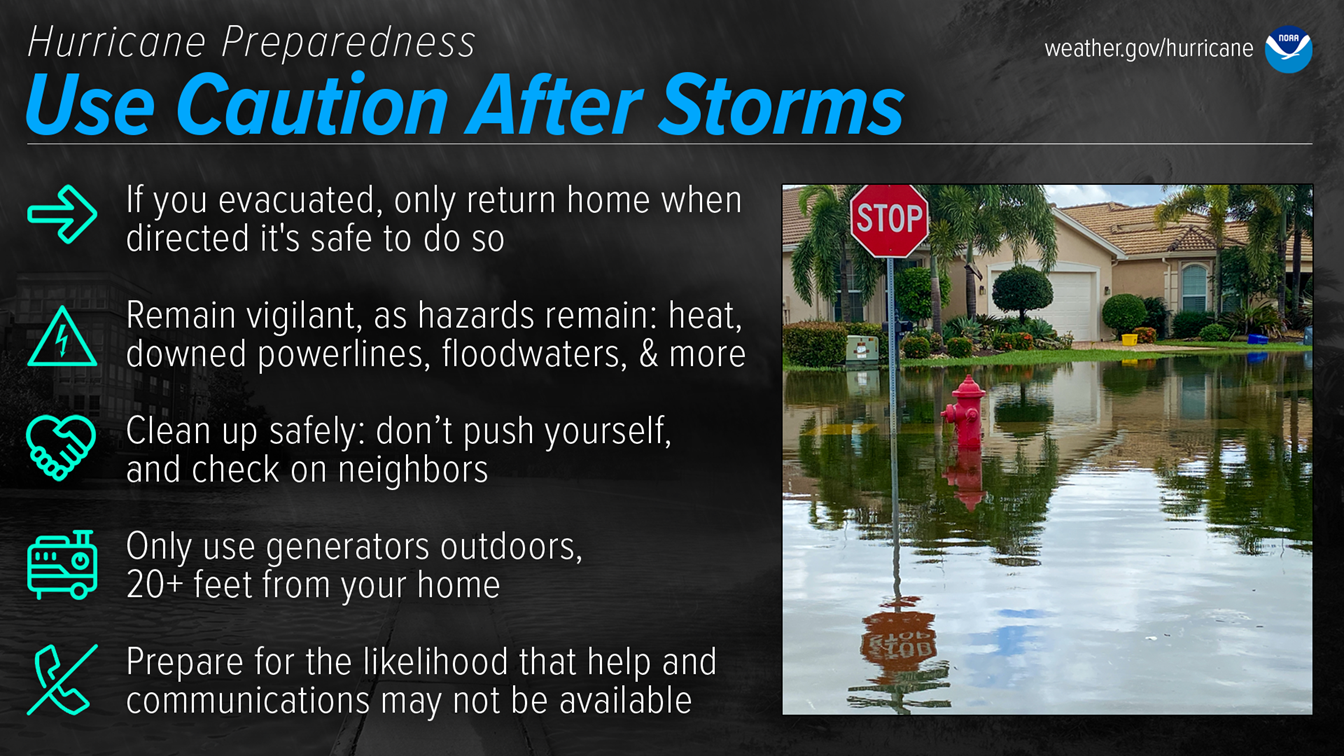
Once the winds have calmed and the rain has subsided, the aftermath of a hurricane can be overwhelming. Returning home safely, dealing with damage, and accessing recovery resources are crucial steps to rebuilding your life after the storm. Here are some essential tips to guide you through the recovery process, based on recommendations from the Red Cross and FEMA.

Returning Home Safely

1. Wait for Official Clearance

  • Tip: Do not return home until local authorities have declared it safe to do so. Pay attention to local news, emergency broadcasts, and official social media channels for updates.
  • How-To: Use apps like FEMA’s mobile app or local government websites to receive real-time information about the safety of your area.

2. Assess Your Home’s Exterior First

  • Tip: Before entering, inspect your home’s exterior for structural damage, downed power lines, gas leaks, and other hazards.
  • How-To: If you see significant damage or suspect a gas leak, contact local utilities or emergency services before entering.

3. Enter with Caution

  • Tip: Wear protective clothing, including long sleeves, gloves, and sturdy boots, when entering your home for the first time.
  • How-To: Bring a flashlight to check for hazards inside the home, and avoid using open flames as there may be gas leaks.

Dealing with Damage

1. Document the Damage

  • Tip: Take photographs and videos of all damage for insurance claims. Document both the exterior and interior of your home.
  • How-To: Make a detailed inventory of damaged items, including descriptions and estimated values.

2. Prevent Further Damage

  • Tip: If possible, make temporary repairs to prevent further damage. Cover broken windows with plywood, and use tarps to cover roof damage.
  • How-To: Save all receipts for materials and labor, as these expenses may be reimbursed by your insurance company.

3. Contact Your Insurance Company

  • Tip: Notify your insurance company as soon as possible to start the claims process. Provide them with the documentation of the damage.
  • How-To: Keep a record of all communications with your insurance company, including dates, times, and the names of representatives you speak with.

Accessing Resources for Recovery

1. Apply for Disaster Assistance

  • Tip: FEMA offers various forms of disaster assistance, including grants for temporary housing, home repairs, and other critical needs.
  • How-To: Visit FEMA’s Disaster Assistance website or call 1-800-621-FEMA to apply for aid. Have your identification, insurance information, and documentation of the damage ready.

2. Utilize Local Resources

  • Tip: Many local organizations and community groups offer support during the recovery phase. This can include food, clothing, and shelter.
  • How-To: Contact your local Red Cross chapter or community centers for information on available resources. Check local news and social media for updates on relief efforts.

3. Seek Emotional Support

  • Tip: The stress and trauma of experiencing a hurricane can take a toll on mental health. Seek support from counselors or support groups if needed.
  • How-To: The Red Cross and other organizations provide crisis counseling and support services. Contact them for more information on available resources.

Health and Safety Precautions

1. Avoid Floodwaters

  • Tip: Floodwaters can contain dangerous contaminants, debris, and hidden hazards. Avoid contact with floodwaters whenever possible.
  • How-To: If you must walk through floodwater, use waterproof boots and clean any exposed skin with soap and clean water as soon as possible.

2. Prevent Mold Growth

  • Tip: Mold can develop within 24 to 48 hours in damp areas. Dry out your home as quickly as possible to prevent mold growth.
  • How-To: Use fans, dehumidifiers, and open windows to increase airflow. Remove wet carpets and furniture to allow the floors to dry.

3. Practice Generator Safety

  • Tip: If using a generator, ensure it is placed outside and away from windows, doors, and vents to prevent carbon monoxide poisoning.
  • How-To: Follow the manufacturer’s instructions and never run a generator inside your home or garage.

Recovering from a hurricane can be a daunting process, but by following these steps, you can ensure a safer and more efficient recovery for you and your family. Stay informed, take necessary precautions, and utilize available resources to rebuild your life after the storm.

For more detailed information and resources, visit the Red Cross and FEMA. Stay safe and stay resilient, Texas Forest Country.

Lufkin District Prepares for Hurricane Season

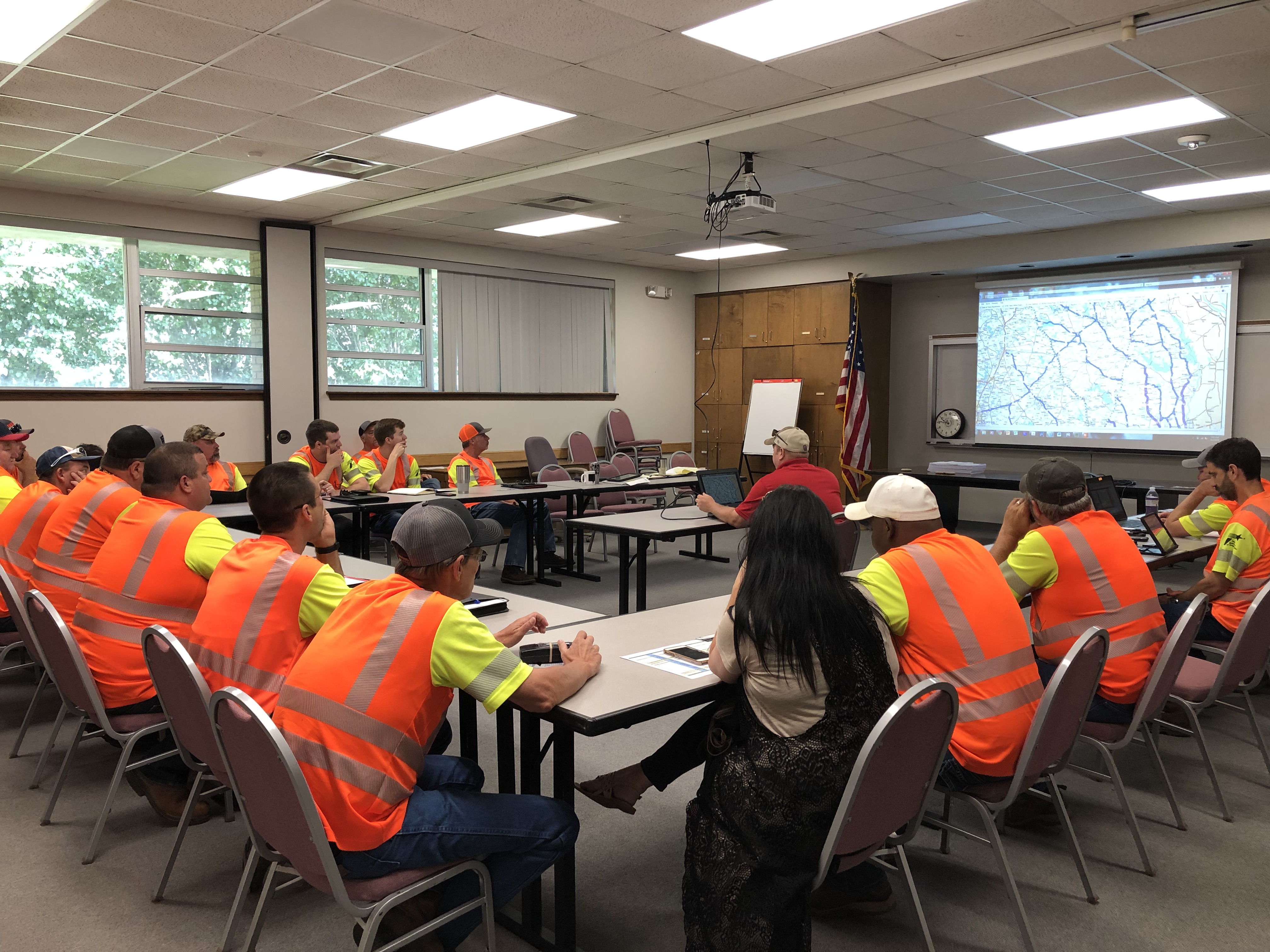
LUFKIN – The Lufkin District met with local leaders last week to discuss the National Oceanic and Atmospheric Administration’s 2024 hurricane predictions and to plan for emergency response should there be a major storm or evacuations in East Texas.

The 2024 hurricane season, June 1 through Nov. 30, is predicted to be above normal with hurricane activity in the Atlantic basin. NOAA has a 70-percent confidence level for 17-25 total named storms for the season. Of those, it is predicted that 8 to 13 will become hurricanes and 4 to 7 will become major hurricanes.

TxDOT is urging the public to make a plan to secure property and prepare emergency supplies, should there be storms or flooding.

District and community leaders discussed contra-flow lanes, evacuation routes, and clean-up response which will include shift work, if necessary. Crews will stand ready should storms or flooding move through East Texas, as well as provide help to other districts, if necessary.

To help prepare your family, visit https://www.txdot.gov/safety/severe-weather/hurricane-preparation.html for a map of evacuation routes from the Gulf Coast. Those routes include US 59, which is designated as a contraflow route, should the decision be made to route evacuation traffic in a contraflow pattern. Also, designated evacuation routes through East Texas are US 69, US 287, US 259, US 96, SH 21, and SH 63.

Making a plan for a hurricane includes knowing your evacuation routes and gathering needed supplies in case of power outages at your home, including batteries, food, water, and fuel. To help prepare your family for a major storm, visit https://www.weather.gov/safety/hurricane-plan for a suggested emergency supply list.

“We encourage the public to make a plan now, whether East Texans are called to evacuate, shelter in place, prepare for the impact of flooding, or for evacuees who could be traveling through our area,” said Rhonda Oaks, public information officer. “The Lufkin District is already planning, and we are ready to respond should we see a major storm this hurricane season.”

The public is urged to visit drivetexas.org for real-time road conditions across the state during any weather event. Follow Lufkin District alerts on Facebook at Texas Department of Transportation (Lufkin) and on Twitter at TxDOTLufkin.

File picture from 2019 – TxDOT Lufkin District leaders met to finalize hurricane preparations for the 2019 hurricane season. The agency is urging the public to also be prepared.

Ribbon Cutting – Bake it Happen “Sweet Stop” (Jasper County)

0

Bake it Happen is a cottage law home bakery that’s designed the easiest way for you to have access to homemade desserts. Items are offered pop-up style on her property. You’ll be able to enjoy a variety of homemade goodies every week.

Join us on June 15th to celebrate Carissa’s journey into full-time baking and the cute new set-up.

Stop by at noon and you’ll have a chance to win a small cake. There will also be samples and lots of great items available for sale.

See you there!

Location:
815 Richardson Drive Jasper Texas

Financial Preparedness: Protecting Your Assets During Hurricane Season

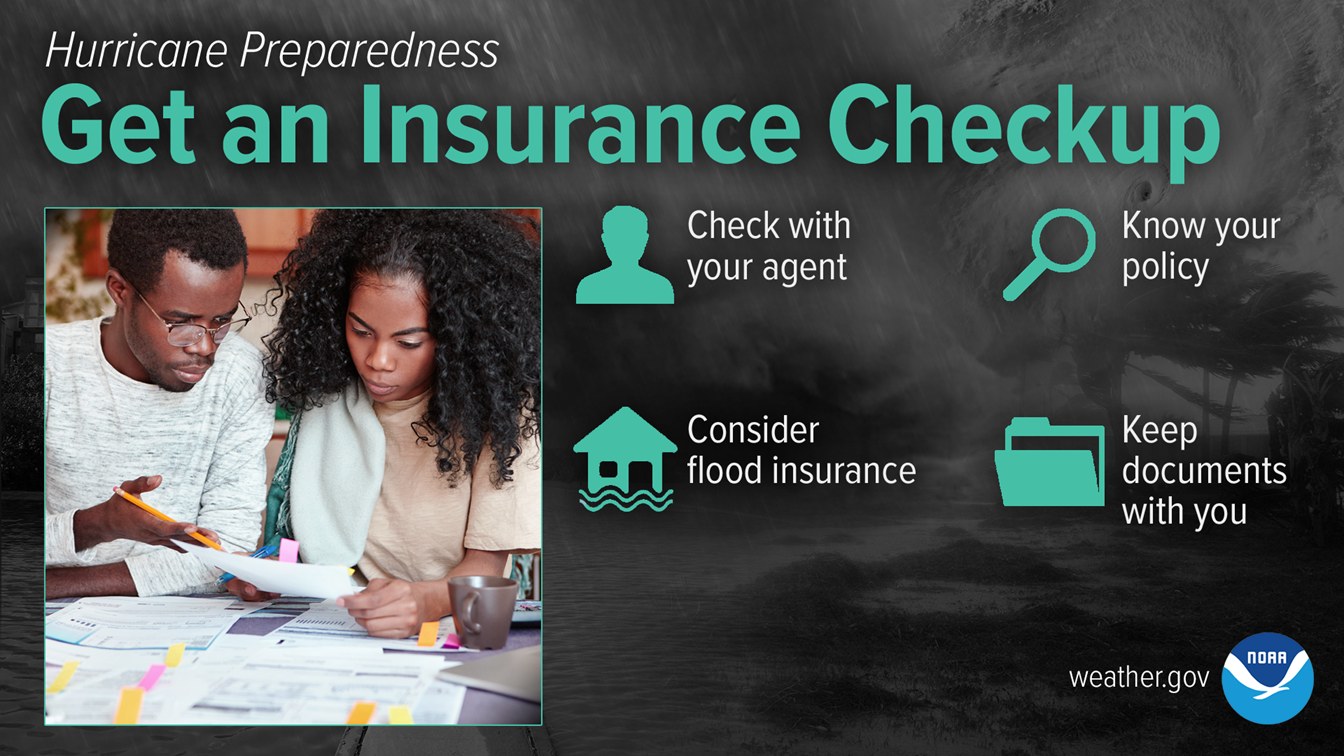
Hurricane season brings not only the threat of physical damage to your home but also potential financial challenges. Proper financial preparedness can help protect your assets and provide peace of mind during and after a hurricane. Here are essential steps to ensure you are financially ready, including conducting insurance checks, securing important documents, and understanding disaster assistance.

Conducting Insurance Checks

1. Review Your Insurance Policies

  • Homeowners Insurance: Ensure your homeowners insurance policy covers hurricane-related damages, including wind, water, and flood damage. Many standard policies do not include flood insurance, so it’s crucial to add this coverage if you live in a flood-prone area.
  • Auto Insurance: Verify that your auto insurance policy includes comprehensive coverage, which typically covers flood damage.
  • Health Insurance: Make sure your health insurance coverage is up-to-date, as medical emergencies can arise during disasters.

2. Understand Your Coverage

  • Policy Limits and Deductibles: Know the limits of your coverage and the deductibles you will need to pay. Higher deductibles can lower your premium but will increase out-of-pocket costs in the event of a claim.
  • Additional Living Expenses (ALE): Check if your policy includes ALE, which covers the cost of temporary housing and other living expenses if your home is uninhabitable due to hurricane damage.

3. Document Your Assets

  • Home Inventory: Create a detailed inventory of your home’s contents, including furniture, electronics, appliances, and personal items. Include photos, descriptions, and purchase receipts if available.
  • Proof of Ownership: Keep records of major purchases, such as home renovations or significant investments in property upgrades.

Securing Important Documents

1. Create Copies of Essential Documents

  • Personal Identification: Passports, driver’s licenses, Social Security cards.
  • Property Records: Deeds, titles, mortgage documents.
  • Financial Documents: Bank account information, insurance policies, investment records, tax returns.
  • Medical Records: Health insurance cards, prescriptions, medical history.

2. Store Documents Securely

  • Physical Storage: Keep original documents in a waterproof and fireproof safe. Portable lockboxes are also useful for quick evacuation.
  • Digital Storage: Scan and store copies of important documents on a secure cloud storage service or an encrypted USB drive.

3. Access to Cash and Banking

  • Cash Reserve: Keep a supply of cash in small denominations, as ATMs and credit card systems may be down during a hurricane.
  • Banking Information: Ensure you have access to online banking and mobile apps to manage your finances remotely.

Understanding Disaster Assistance

1. Know the Resources Available

  • FEMA Assistance: The Federal Emergency Management Agency (FEMA) provides various forms of disaster assistance, including grants for temporary housing, home repairs, and other critical needs.
  • SBA Loans: The Small Business Administration (SBA) offers low-interest disaster loans to homeowners, renters, and businesses for repair and replacement of damaged property.

2. Apply for Assistance

  • Documentation: Have all necessary documentation ready when applying for disaster assistance, including identification, insurance information, and records of damage.
  • Timeliness: Apply as soon as possible after a disaster to expedite the assistance process. Visit FEMA’s website for information on how to apply.

3. Community Resources

  • Local Aid: Many local governments and community organizations offer disaster relief and assistance programs. Stay informed about these resources through local news and community bulletins.

Resources

Financial preparedness is a critical component of hurricane readiness. By conducting thorough insurance checks, securing important documents, and understanding available disaster assistance, you can protect your financial assets and ensure a quicker recovery after a hurricane. For more detailed information and resources, visit FEMA and the Insurance Information Institute.

Taking these proactive steps now can make a significant difference in safeguarding your financial future. Stay informed, stay prepared, and protect your assets during hurricane season.

2024 Scholarship Awards Luncheon (Houston County)

0

Join Us for the 2024 Scholarship Awards Luncheon!

The Crockett Area Chamber of Commerce is excited to announce the 2024 Scholarship Awards Luncheon! We are honored to celebrate the remarkable achievements of our scholarship recipients:

 Alexis Bodden, Lovelady High School
 Alexander Burk, Latexo High School
 Asad Mohammed, Latexo High School
 Joseph Tuggle, Crockett High School

 Date: Wednesday, June 12, 2024
 Time: 12:00 p.m.
 Location: Lobby of the Crockett Civic Center, 1100 Edmiston Dr., Crockett, TX
 Tickets: $10 each

Come join us in honoring these exceptional students and their hard work. Your presence and support mean the world to our community!

For tickets and more information, please contact the Crockett Area Chamber of Commerce.

Please let us know if you’re interested in coming by RSVPing to THIS event on Facebook so we can better accommodate!

Caring for Pets During a Hurricane: Essential Tips for Texas Forest Country Residents

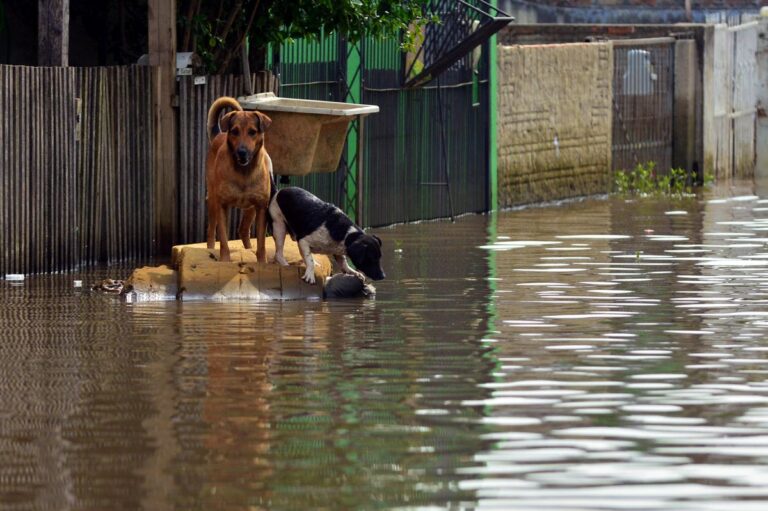
As hurricane season approaches, it’s crucial not only to prepare your home and family but also to ensure the safety and well-being of your pets. Pets are part of the family, and their needs must be considered in your hurricane preparedness plan. Here are some essential tips on preparing your pets for a hurricane, including assembling a pet-friendly emergency kit and identifying pet-friendly shelters in the Texas Forest Country region.

Preparing Your Pet for a Hurricane

1. Assemble a Pet Emergency Kit Just like humans, pets need an emergency kit that contains all the essentials they might need during a hurricane. Here’s what to include:

  • Food and Water: At least three days’ worth of food and water. Use airtight containers to keep food fresh and dry.
  • Medications and Medical Records: Ensure you have a supply of your pet’s medications, along with copies of medical records, including vaccination records.
  • Collar with ID Tag, Harness, and Leash: Your pet should wear a collar with an ID tag at all times. Include a harness and leash in your kit for easy handling.
  • Crate or Pet Carrier: A sturdy, comfortable crate or carrier for each pet. Ensure it’s large enough for your pet to stand, turn around, and lie down.
  • Sanitation Supplies: Include litter and a litter box (for cats), plastic bags, paper towels, and pet-safe disinfectant.
  • Comfort Items: Familiar items like blankets, toys, or bedding can help reduce stress.
  • First Aid Kit: Basic first aid supplies tailored for pets, including bandages, antiseptic wipes, and any necessary pet-specific medications.
  • Photo of You and Your Pet: A current photo of you and your pet together in case you get separated.

2. Create a Pet Evacuation Plan

  • Pet-Friendly Shelters and Accommodations: Identify local pet-friendly shelters and accommodations in advance. The Texas Forest Country region has several resources that can assist:
    • The Winnie Berry Humane Society of Angelina County: Offers guidance on local shelters and can assist in emergency situations.
    • Nacogdoches Animal Services: Provides information on pet-friendly shelters and emergency boarding.
    • Local Veterinary Clinics: Many local vets offer emergency boarding services. Check with your vet for recommendations.
  • Pet-Friendly Hotels: Have a list of pet-friendly hotels along your evacuation route. Websites like BringFido.com can help you find accommodations.

3. Microchip and ID Your Pet Ensure your pet is microchipped and wears a collar with up-to-date identification. This greatly increases the chances of being reunited if you get separated. Keep a record of the microchip number in your emergency kit.

4. Stay Informed and Prepared

  • Monitor Weather Alerts: Keep an eye on weather forecasts and be aware of evacuation orders. Pets often sense changes in weather and may become anxious, so maintaining a calm demeanor is important.
  • Practice Evacuation Drills: Conduct evacuation drills with your pets to familiarize them with the process. This reduces stress and confusion during an actual emergency.

Finding Pet-Friendly Shelters

In the Texas Forest Country region, several shelters and organizations can assist during a hurricane:

  • The Winnie Berry Humane Society of Angelina County: Provides resources and support for pet owners during emergencies. Contact them at (936) 639-1880 or visit their website.
  • Nacogdoches Animal Services: Offers information on pet-friendly shelters and emergency boarding. Contact them at (936) 560-5011 or visit their website.
  • Local Veterinary Clinics: Many clinics provide emergency boarding services. Check with your vet for options in your area.

Additionally, many local community centers and churches open their doors to pets and their owners during hurricanes. Stay connected with local news and community bulletins for the latest information on available shelters.

Preparing for a hurricane involves ensuring the safety and well-being of all family members, including pets. By assembling a pet emergency kit, creating an evacuation plan, and knowing where to find pet-friendly shelters, you can protect your furry friends during a storm. For more detailed information and resources, visit the Humane Society of Angelina County and Nacogdoches Animal Services.

Remember, being prepared is the best way to keep your pets safe during hurricane season. Stay informed, stay prepared, and stay safe.

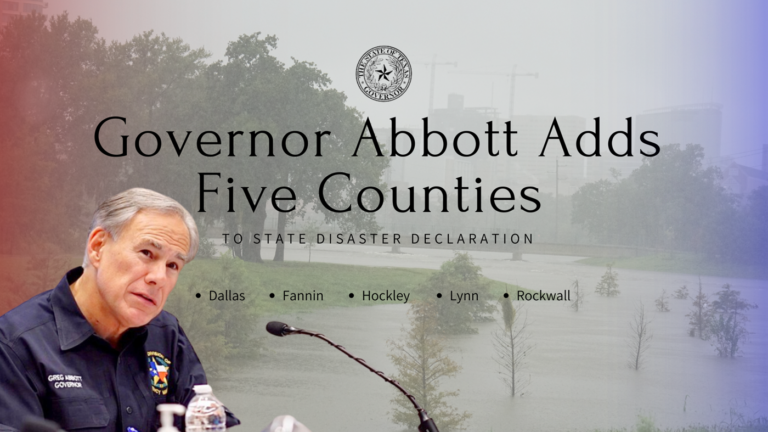
Governor Abbott Adds Five Counties To State Disaster Declaration

Announces FEMA Approval To Add Three More Counties To Presidential Disaster Declaration

AUSTIN – Governor Greg Abbott today announced that he added five counties to the state’s disaster declaration for Texas communities impacted by recent severe weather. The counties added today include Dallas, Fannin, Hockley, Lynn, and Rockwall. Additional counties may be added at a later date as damage assessments are completed.

“Texas is adding five counties to the state’s disaster declaration to ensure Texans have all the assistance and resources they need to rebuild and recover,” said Governor Abbott. “I encourage every Texan who sustained damage to their home or business to report it using the Texas Division of Emergency Management’s iSTAT damage survey. This tool will help determine if counties are eligible for additional financial assistance. I thank all of the emergency response personnel and first responders who are working tirelessly to help their fellow Texans move forward from these devastating storms.”

Additionally, the Governor announced that the Federal Emergency Management Agency (FEMA) has approved a request from the State of Texas to add three more counties impacted by severe weather to the Presidential Disaster Declaration. FEMA has added Bell, Henderson, and Tyler counties to become eligible for FEMA’s Individual Assistance program. FEMA’s Individual Assistance program funding assists with expenses such as temporary housing, emergency home repairs, uninsured and underinsured personal property losses, disaster legal services, disaster unemployment assistance, and medical, dental, and funeral expenses caused by the disaster.

Qualifying Texans in the following counties are eligible to apply: Bell, Calhoun, Collin, Cooke, Denton, Eastland, Guadalupe, Hardin, Harris, Henderson, Jasper, Jones, Lamar, Liberty, Montague, Montgomery, Polk, San Jacinto, Trinity, Tyler, Walker and Waller. Texans can apply for FEMA disaster assistance online at disasterassistance.gov or by calling 800-621-3362.

The Governor’s request for Individual Assistance remains under FEMA’s review for Austin, Coryell, Dallas, Ellis, Falls, Hockley, Kaufman, Leon, Navarro, and Smith counties. Additional counties may be added to the Governor’s request as additional damage assessments are completed in affected communities.

State emergency response and recovery resources remain engaged in support of local officials in communities impacted by severe storms and flooding that began on April 26.

Texans who experienced property damage are urged to report their damages utilizing the online Individual State of Texas Assessment Tool (iSTAT) damage survey by visiting damage.tdem.texas.gov. This will help officials connect impacted Texans with resources and services. Additionally, once those damages are reported to the state, officials can work to determine whether they meet the federally set thresholds for federal disaster assistance.

Governor Abbott continues to take action to provide all available resources to help support local communities from the impacts of severe weather, including:

  • Readying state emergency response resources on April 25 ahead of wildfire and severe weather threats.
  • Issuing a disaster declaration on April 30 for counties affected by recent storms and deploying additional state emergency response resources in anticipation of severe weather and flooding. The Governor first amended his disaster declaration on May 2, updated it further on May 7, amended it again on May 15, added additional counties on May 20, made additional updates on May 26, and added five counties today.
  • Increasing the readiness level of the State Emergency Operations Center to help support local officials with requests for state assistance.
  • Holding a briefing on May 6 with local and state officials from impacted areas and providing an update on the state’s robust response efforts in support of local communities.
  • Requesting a Presidential Disaster Declaration on May 15 for Texas communities impacted by severe storms.
  • Securing partial approval of a Presidential Disaster Declaration on May 17 for areas of the state affected by severe weather.
  • Requesting additional counties be added to the Presidential Disaster Declaration on May 19 for Texas communities impacted by severe storms.
  • Providing an update on the state’s response and recovery efforts in impacted communities.

Evacuation Planning: What You Need to Know

As hurricane season approaches, having a well-thought-out evacuation plan is essential for ensuring the safety of you and your family. Hurricanes can strike with little warning, and having a plan in place can make a significant difference in how you handle an emergency. Here’s a detailed guide on how to create an effective evacuation plan, what to take with you, and where to go, based on recommendations from local government websites and FEMA.

Creating an Evacuation Plan

1. Know Your Evacuation Zone

  • Tip: Familiarize yourself with your community’s hurricane evacuation zones and routes. These zones are often mapped out by local governments and can indicate the areas most at risk during a hurricane.
  • How-To: Visit your local government’s website or emergency management office to find maps and information about evacuation zones and routes. Make sure you know the zone you live in and the best routes to take.

2. Designate a Safe Meeting Place

  • Tip: Choose two safe meeting spots for your family. One should be right outside your home in case of a sudden emergency, and the other should be outside your neighborhood in case you cannot return home.
  • How-To: Select a location that is easily accessible and known to all family members. Practice meeting at these spots to ensure everyone knows where to go.

3. Develop a Communication Plan

  • Tip: Create a plan for staying in touch with family members during an evacuation. Identify an out-of-town contact who can act as a central point for everyone to check in with.
  • How-To: Compile a list of important phone numbers and ensure that all family members have a copy. Use text messages or social media to communicate if phone lines are congested.

4. Plan for Your Pets

  • Tip: Include your pets in your evacuation plan. Identify pet-friendly shelters or hotels along your evacuation route.
  • How-To: Make sure your pets are microchipped and have identification tags. Pack a pet emergency kit with food, water, medications, and comfort items.

5. Practice Your Plan

  • Tip: Regularly practice your evacuation plan with all family members. This helps to ensure everyone knows what to do and can execute the plan quickly.
  • How-To: Conduct evacuation drills and review the plan periodically. Update the plan as needed to account for any changes in your household or community.

What to Take with You

1. Emergency Kit

  • Contents: Your emergency kit should include water, non-perishable food, a first aid kit, medications, flashlights, batteries, a battery-powered radio, and a manual can opener.
  • Tip: Keep the kit in a portable container that’s easy to grab and go. Ensure it’s stocked and ready at all times.

2. Important Documents

  • Contents: Pack copies of important documents such as identification, insurance policies, medical records, and bank account information in a waterproof container.
  • Tip: Consider keeping digital copies of these documents on a secure cloud service or USB drive.

3. Clothing and Personal Items

  • Contents: Pack clothing, toiletries, and personal hygiene items for each family member. Include sturdy shoes and weather-appropriate clothing.
  • Tip: Don’t forget special items like glasses, hearing aids, and essential baby supplies.

4. Cash and Credit Cards

  • Contents: Have cash in small bills and credit cards ready. ATMs and electronic payment systems may not be operational during an emergency.
  • Tip: Keep some cash hidden in multiple places within your belongings for added security.

5. Comfort Items

  • Contents: Bring comfort items such as blankets, pillows, books, and toys for children.
  • Tip: These items can help reduce stress and provide some sense of normalcy during a chaotic time.

Where to Go

1. Identify Local Shelters

  • Tip: Know the locations of local shelters and the routes to get there. Shelters are typically set up by local governments and the Red Cross.
  • How-To: Use local government websites and resources like FEMA’s app to find and map out the nearest shelters.

2. Plan Your Evacuation Route

  • Tip: Plan multiple routes to your destination in case roads are blocked or traffic is heavy.
  • How-To: Use maps and GPS to identify primary and alternate routes. Share these routes with family members.

3. Know Pet-Friendly Locations

  • Tip: Not all shelters accept pets, so it’s crucial to know pet-friendly shelters and hotels in advance.
  • How-To: Use resources like BringFido.com or contact local animal shelters to find pet-friendly evacuation options.

4. Coordinate with Friends or Family

  • Tip: Arrange to stay with friends or family outside the affected area if possible.
  • How-To: Discuss your evacuation plans with them in advance and ensure everyone is on the same page.

Final Tips

  • Stay Informed: Monitor local news and weather updates to stay informed about evacuation orders and hurricane progress.
  • Fuel Up: Keep your vehicle’s gas tank full during hurricane season to ensure you can evacuate without delay.
  • Stay Calm: Evacuations can be stressful, but staying calm and following your plan can make the process smoother and safer for everyone involved.

Having a detailed and practiced evacuation plan is crucial for safety during a hurricane. By knowing what to do, what to take, and where to go, you can ensure that you and your loved ones are prepared to handle the challenges that come with these powerful storms. For more information and resources, visit FEMA and your local government’s emergency management website.

Stay safe this hurricane season, and remember that preparation is key.