Home Blog Page 142

Angelina College Weekly Update

Hey, sports fans,

No games on tap, but plenty of stuff to keep folks busy – especially the little ones. There are numerous Angelina College athletics camps coming up for youngsters, along with some evaluation camps for prospective future Roadrunners.

Here’s what’s heading our way:

Focus on FUNdamentals

AC Athletics Programs Hosting Youth Summer Camps

Angelina College Athletics programs are hosting a series of youth summer camps in conjunction with the college’s “Camp Roadrunner” recreation camps. The camps focus on building both fundamentals and love of the game; instructors include the AC coaching staff and player/volunteers.

The camps are open to youngsters from kindergarten through 5th grade. Cost for each camp is $110. Attendees can make this a full-day camp by purchasing a Recreation Camp “Add-on” for $75.00.) Sessions run from 9 a.m. until noon each day.

For registration and other information, visit https://www.angelina.edu/camproadrunner/ and look under the “Athletic Camps” section for the desired sport.

Following are the dates and locations by sport:

Baseball – June 3-5, 9 a.m. until 12 p.m., Poland Field on the AC campus.

Softball – June 10-13, Lady Roadrunner Field on the AC campus.

Basketball – June 10-13, June 24-27, July 15-18, Shands Gymnasium on the AC campus.

Soccer – June 10-13, July 15-18, AC Soccer Complex on the AC campus.

Baseball Holding Evaluation Camp in June

In an effort to find more future Roadrunners, the AC baseball team will hold another evaluation camp for prospective players ages 16 and older on Wednesday, June12, 2024. 

The fee for the camp is $40.00.

Here’s the link to registration and other information:

https://angelina.prestosports.com/general/2023-24/releases/acbsbevluationcampsmayjune2024

Men’s Soccer Holding Evaluation Camp in June

The Roadrunner men’s soccer program – coming off back-to-back appearances in the NJCAA Division I National Tournament – also is holding an evaluation session for prospective players on Saturday, June 8. Here’s the link to registration and other information:

https://angelina.prestosports.com/general/2023-24/releases/acmensocceridcampsummer2024

Changes, Upgrades Coming to AC Athletics Web Site, Social Media

Angelina College Athletics’ official website (www.angelinaathletics.com) and all related social media will be getting a massive, much-needed overhaul over the summer. Joining our staff are some true website and graphics wizards, and they’re going to help with the redesign and upkeep of all our forms of internet and social media presence going forward.

We’ll send out word once we have everything ready to launch.

Guy Davis Golf Tournament Date, Location Set

The 17th Annual Guy Davis Golf Tournament has a date now, along with a temporary change in location.

The tournament, hosted by the Roadrunner Foundation, serves as the biggest fund-raiser for all our AC Athletics programs.

This year’s tournament will take place on Saturday, August 17, with the pre-tournament kickoff dinner taking place on Friday, August 16.

Because of the ongoing course renovations at Crown Colony Country Club – the usual site for the tournament – this year’s golf will take place at the Neches Pines Golf Course in Diboll, Texas.

Crown Colony will still serve as the site for the kickoff dinner.

We’ll send out more details as the event draws nearer.

Pro Basketball Player Meets Legend

Sooo…a pro basketball player steps into an elevator and encounters a real legend…

While the Dallas Mavericks were playing their NBA Western Conference Finals series in Minnesota against the Timberwolves, Mavs star Luka Dončić entered an elevator and encountered Lady Roadrunner legend and current Phoenix Mercury (WNBA) player Natasha Mack.

No doubt whatsoever he was just as impressed with her as we at Angelina College are. (Contributed image provided)

For any other information, contact Gary Stallard at gstallard@angelina.edu.

We’ll see you at the games.

Gary Stallard
Email: gstallard@angelina.edu.
Phone: (936) 465-4614
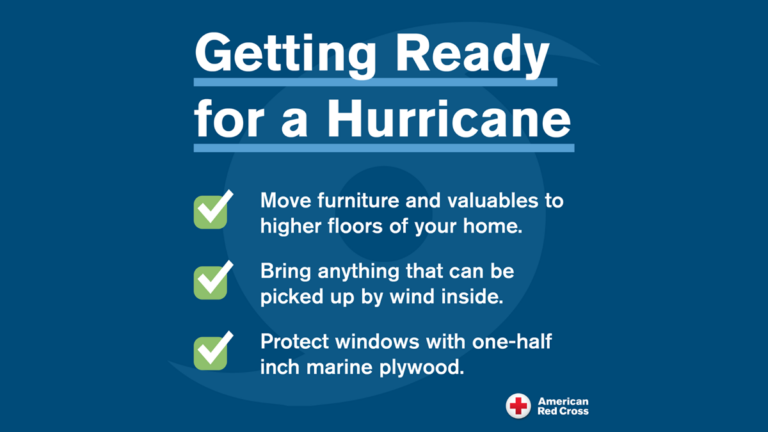
2024 Hurricane Season Could Set Records ─ Critical to Get Ready Now

NOAA predicts as many as 25 named storms and 7 major hurricanes from June 1 through November 30

It’s time to get ready for the 2024 Atlantic hurricane season which experts predict could bring a record-setting number of storms and landfalls to the Southeast and Gulf coasts.

The National Oceanic and Atmospheric Administration (NOAA) predicts there is an 85% chance of an above-normal Atlantic hurricane season which could see 17 to 25 named storms with 8 to 13 becoming hurricanes and as many as 7 developing into major hurricanes. The Atlantic hurricane season runs from June 1 to November 30.

According to NOAA, the upcoming Atlantic hurricane season is expected to have above-normal activity due to a confluence of factors, including near-record warm ocean temperatures in the Atlantic Ocean, development of La Nina conditions in the Pacific, reduced Atlantic trade winds and less wind shear, all of which tend to favor tropical storm formation.

CLIMATE CRISIS According to the U.S. government’s Fifth National Climate Assessment, the continued rise in the intensity of hurricanes can be tied to the climate crisis. The increase in hurricane activity this year is thanks to a warmer Atlantic Ocean and the possible development of La Niña conditions. In addition, Atlantic weather patterns could result in more hurricanes making landfall.

The number of billion-dollar disasters in the U.S. has increased 85% in just the last decade as disasters grow in frequency and intensity, and hurricanes are eight of the 10 most costly weather disasters in U.S. history.

More than 2.5 million people across the country were forced from their homes by weather-related disasters in 2023, with more than a third displaced for longer than a month. These powerful storms not only cause problems for people in coastal areas but can also cause damage hundreds of miles inland. Communities in the possible path of these storms need to get ready now.

GET READY NOW The American Red Cross is preparing to respond to hurricanes this season and urges families to get ready too. Red Cross readiness includes having a sufficient number of trained disaster workers available, an adequate inventory of relief supplies and technology, programs and systems ready to provide assistance to individuals and communities in need. In addition, the Red Cross builds and supports relationships with our disaster partners all year long to help us deliver services when needed.

It’s critical to make your own emergency preparations. Check out the important information available at these links to help get your household ready for the upcoming hurricane season:

  • STEPS FOR OLDER ADULTS If you need extra attention during an emergency, planning ahead is crucial. Consider what you may need if the power goes out, you have to stay home for two weeks or more, or if you have to evacuate. What help do you need and who can help you.
  • PEOPLE WITH DISABILITIES Individuals with mobility challenges and hearing, learning or seeing disabilities might face additional complications during an emergency, which means planning ahead is critical. Create a personal support network and make a plan centered around what help you may need.
  • DOWNLOAD RED CROSS APPS Download the free Red Cross First Aid app so you’ll know what to do if emergency help is delayed and the free Emergency app for weather alerts, open Red Cross shelter locations and safety steps for different emergencies. Pet owners can download the Red Cross Pet First Aid app for more information on how to include pets in emergency preparedness plans and step-by-step instructions for first aid emergencies and more.
  • BUILD A FIRST AID KIT To be prepared for emergencies, keep a first aid kit in your home, your car, carry one with you and know where they are located at your workplace.
  • HELP YOUR COMMUNITY ─ VOLUNTEER Hurricane season is just ahead and we need help supporting families and communities who may be impacted by these more frequent, intense disasters. Visit redcross.org/volunteertoday to get started. Support your neighbors and community in their time of need. Training is free but your gift of time and talent is priceless.
  • SUPPORT DISASTER RELIEF You can help people affected by disasters like hurricanes, flooding and countless other crises by making a donation to support Red Cross Disaster Relief. Your gift enables the Red Cross to prepare for, respond to and help people recover from disasters big and small. Visit redcross.org, call 1-800-RED CROSS (800-733-2767) or text the word REDCROSS to 90999 to make a $10 donation.

About the American Red Cross:

The American Red Cross shelters, feeds and provides comfort to victims of disasters; supplies about 40% of the nation’s blood; teaches skills that save lives; distributes international humanitarian aid; and supports veterans, military members and their families. The Red Cross is a nonprofit organization that depends on volunteers and the generosity of the American public to deliver its mission. For more information, please visit redcross.org or CruzRojaAmericana.org, or follow us on social media.

Analyzing Your Pond’s Water

New landowners or landowners with a new pond often have questions about the quality of the water that they want to use in for fish production, irrigation, or to water livestock.

There can be a wide variance in water quality and what makes water suitable for fish production may have little to do with water that is good for irrigation and, furthermore, is different from what is acceptable for livestock or wildlife.

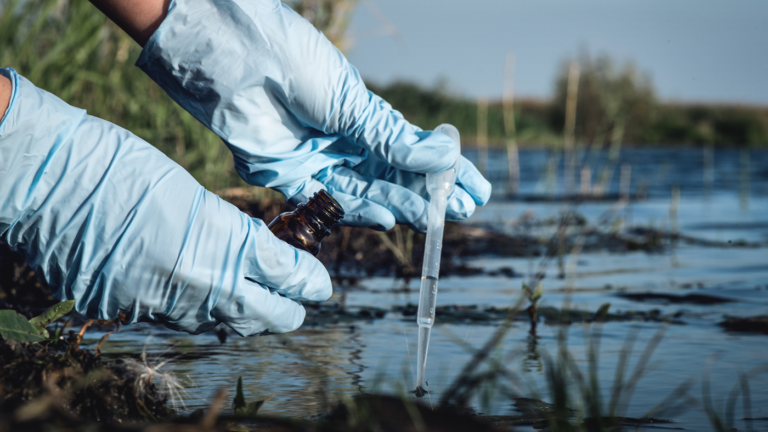
Without any laboratory testing, visually study your pond and look at the vegetation, look for small fish, and certainly look for frogs, crayfish (crawfish, craw-dads), insects, snails and such.  Small fish and aquatic invertebrates are very sensitive to contaminants and imbalances in nutrients. The presence of all of these is a good indicator of a healthy ecosystem.

Obviously, the presence of young fish in your pond means that older fish are healthy and reproducing. Flip over a log or rock along the shore and look for insects, snails, and any kind of insect larvae. These small creatures survive on algae and even smaller invertebrates and are an excellent basis of the pond’s health. Additionally, these insects are often the food source for your larger fish and will aid in the health of your fish.

If raising fish is your primary objective, the pH and alkalinity should be your first constraint to study. Fish grow best when the water is at least 6.5 pH with an alkalinity of 20 ppm. Most Extension offices in Texas have kits to test for these two parameters. At my office in Angelina County, I offer these for free.

Irrigation water used on gardens, lawns, hay meadows, or orchards is concerned with the presence of salts, its pH, and nutrient levels. Some water sources may be naturally high in nutrient concentrations that, while one would think could be beneficial, may have too much of something that harms plants. The pH of water can also be extremely acidic or alkaline and affect the plants or certainly the soils in which the plants are growing.

A life-long county resident reached out to me with questions about the water in a pond on property she has recently purchased. She had some results from our wonderful, local river authority’s lab, the Angelina/Neches River Authority. She had the values of several nutrients, the pH, and alkalinity.

The results she received showed higher that normal levels of the following elements: magnesium, iron, manganese, and lead.

Now three of these elements are in fact plant nutrients and are necessary for plant health. The high levels reported suggests an influx of nutrients from accumulated plant material or runoff from nutrient sources upstream.

When studying what was upstream, only a pasture with livestock could be found. This was likely the source of those nutrients.

Of more concern was the presence of lead, even though it was far less than 1 part per million. The lab reports indicated a level higher than what was drinkable but this was a pond in the middle of forest and was not ever going to be used for drinking. The levels did fall below any concerns for fish or vegetation.

The source? An old pond such as this very well could have accumulated lead from old fishing weights or lead shot that was once used in hunting waterfowl. Even though lead shot was banned when hunting ducks, geese, and other waterfowl nationwide in 1991, lead can take decades, even up to 100’s of years to break down.

If you want to get technical and have a laboratory look at your pond water, you have options. Similar to water well testing, our local Angelina/Neches River Authority (ANRA) has some excellent tests. The Texas A&M Soil and Water Laboratory is another place to test your water for its chemical properties.

If you live in and around Angelina County, you can submit water samples to the Angelina Neches River Authority’s (ANRA) lab for analysis. For pond water, their “Basic Water Scan Package” looks at 12 parameters. These include alkalinity, chloride, fluoride, nitrates, nitrites, pH, sulfate, hardness, and more. Additionally, the Basic Water Scan will look for these metals: calcium, copper, iron, magnesium, manganese, zinc, and lead. Note that all these metals except lead are in fact nutrients necessary for plant growth and are in the multivitamin I take each morning!

If you are interested in more information on either of these tests, reach out to ANRA at 936-632-7795 or email the lab at lab@anra.org. ANRA does plenty of other testing that may be of interest. Their full website can be accessed at www.anra.org.

The “drinkability” water test that looks for the presence of E. coli in potable water would not be needed. Any pond water would be expected to be full of bacteria and other microbes unsuitable for drinking.

If you are looking to examine your pond’s water for potential irrigation, consider the Soil, Water, and Forage Testing Laboratory at the Texas A&M AgriLife Extension Service in College Station, Texas. You can reach the Laboratory at Texas A&M at (979) 321-5960 or email the lab at soiltesting@ag.tamu.edu.  Their full website can be accessed at https//soiltesting.tamu.edu.

Protecting Your Home: Steps to Minimize Damage During a Hurricane

As hurricane season looms, it’s crucial for homeowners in Texas Forest Country to take proactive measures to protect their homes from potential damage. Hurricanes can bring devastating winds, heavy rain, and flooding, all of which can wreak havoc on your property. Here are essential steps you can take to secure your home, minimize damage, and ensure the safety of your family.

Securing Windows and Doors

1. Install Storm Shutters

  • Tip: Install permanent storm shutters made of aluminum or steel for the best protection. If storm shutters are not available, use plywood panels as a temporary measure.
  • How-To: Cut plywood to fit each window and door, ensuring they are securely fastened. The panels should overlap the window frames by at least four inches.

2. Reinforce Garage Doors

  • Tip: Strengthen garage doors to withstand high winds. If your garage door is old or weak, consider replacing it with a hurricane-resistant model.
  • How-To: Install braces across the inside of the garage door or retrofit it with horizontal and vertical reinforcement kits.

3. Seal Gaps and Cracks

  • Tip: Prevent water from entering your home by sealing gaps around windows, doors, and other openings with caulk or weather stripping.
  • How-To: Inspect the exterior of your home and seal any visible cracks or gaps with a high-quality exterior-grade caulk.

Reinforcing the Roof

1. Inspect and Repair the Roof

  • Tip: Regularly inspect your roof for damaged or loose shingles and make necessary repairs to prevent wind from lifting them off.
  • How-To: Replace missing or damaged shingles and ensure they are securely fastened. Pay special attention to the edges of the roof, as these are most vulnerable to wind damage.

2. Use Hurricane Straps and Clips

  • Tip: Reinforce your roof with hurricane straps or clips to keep it attached to the walls of your home during high winds.
  • How-To: Install metal straps or clips that connect the roof to the wall structure, providing additional strength and stability.

3. Apply a Roof Sealant

  • Tip: Use a roof sealant to create a waterproof barrier that protects your home from heavy rain and leaks.
  • How-To: Apply a silicone or elastomeric roof coating to the entire surface of your roof, paying special attention to seams and joints.

Protecting Against Flooding

1. Elevate Utilities and Appliances

  • Tip: Raise utilities such as water heaters, furnaces, and electrical panels above potential flood levels to prevent water damage.
  • How-To: Place these items on elevated platforms or install them on higher floors of your home if possible.

2. Install Sump Pumps with Battery Backup

  • Tip: Install a sump pump in your basement or crawl space to remove water that accumulates during a flood. Ensure the pump has a battery backup in case of power outages.
  • How-To: Position the sump pump in the lowest part of your basement or crawl space, and connect it to a discharge pipe that directs water away from your home.

3. Use Sandbags and Flood Barriers

  • Tip: Place sandbags or portable flood barriers around the perimeter of your home to keep floodwaters at bay.
  • How-To: Stack sandbags in a pyramid formation around doors, windows, and other entry points. Ensure the bags are tightly packed and sealed to form an effective barrier.

4. Maintain Proper Drainage

  • Tip: Ensure that gutters, downspouts, and drainage systems are clear and functioning properly to direct water away from your home.
  • How-To: Regularly clean gutters and downspouts, and make sure they extend far enough from your foundation. Inspect and maintain yard drains and French drains.

By taking these steps to secure your home, you can significantly reduce the risk of damage during a hurricane. Stay informed, stay prepared, and protect your property and loved ones from the potentially devastating impacts of these powerful storms. For more detailed guidance and resources, visit the National Hurricane Center and Home Depot’s Hurricane Preparedness Guide.

Kickoff with the Chamber (Angelina County)

0

Join us Wednesday, June 5 for a “Kickoff with the Chamber” event to officially launch the Alzheimer’s Association walk season. The Kickoff event starts at 11:30 AM and will be followed by a luncheon featuring guest speaker Valena Spradley. To attend the lunch, please register here >>> bit.ly/Kickoff060524

Location:
900 Crown Colony Drive

Building a Hurricane Emergency Kit: What You Need to Have

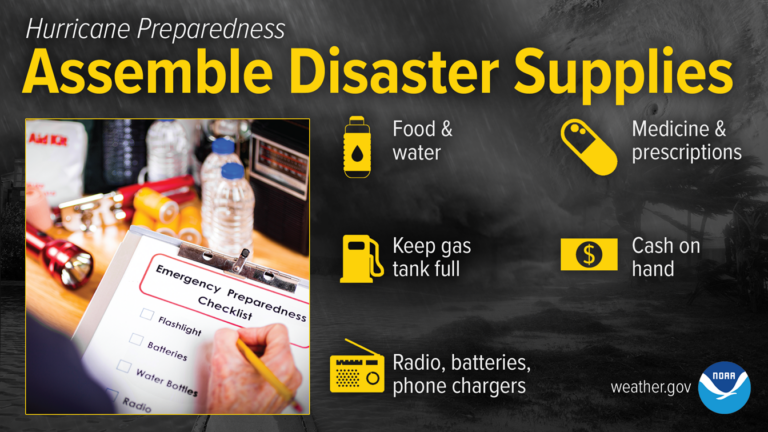
As hurricane season approaches, ensuring that you and your family are prepared for any potential emergencies is essential. One of the most critical steps in hurricane preparedness is assembling a comprehensive emergency kit. This kit should contain everything you need to survive during and after a hurricane, especially if you’re without power or access to basic services for several days. Here’s a detailed guide on what to include in your hurricane emergency kit, based on recommendations from Ready.gov and the CDC.

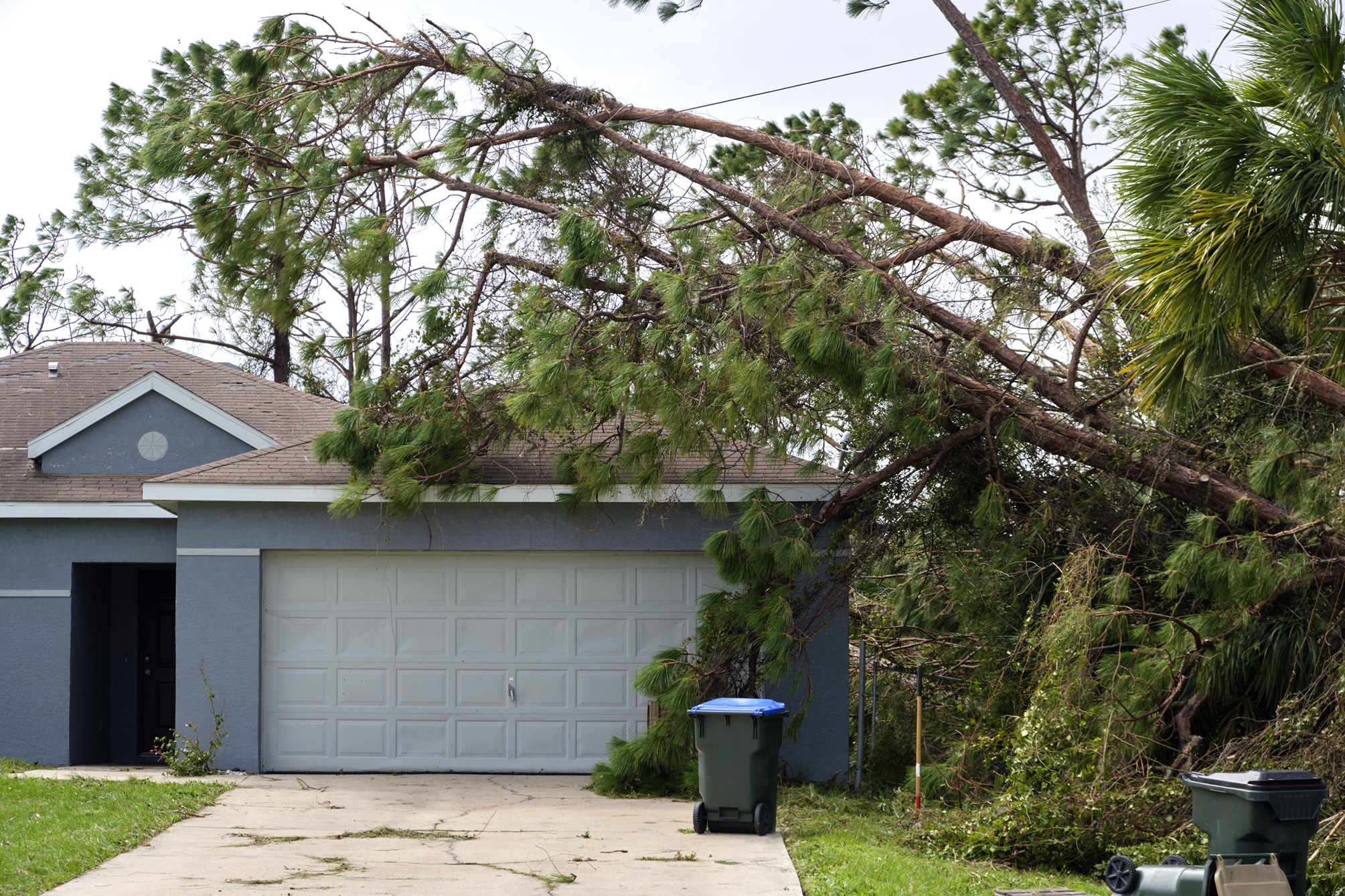
Fallen down big tree on a house after hurricane Ian in Florida. Consequences of natural disaster.

Essential Items for Your Emergency Kit

1. Water

  • Amount: At least one gallon per person per day for at least three days, for drinking and sanitation.
  • Tip: Consider including water purification tablets or a portable water filter in case you need to purify additional water.

2. Food

  • Types: A three-day supply of non-perishable food items such as canned goods, dry cereals, energy bars, peanut butter, and dried fruits.
  • Tip: Include a manual can opener and utensils. Choose items that do not require refrigeration or cooking.

3. Medications

  • Prescription medications: Ensure you have at least a seven-day supply of essential prescription medications.
  • Over-the-counter medications: Include pain relievers, anti-diarrhea medication, antacids, and laxatives.
  • First aid supplies: A basic first aid kit should include bandages, antiseptic wipes, gauze, adhesive tape, scissors, tweezers, and a thermometer.

4. Tools and Supplies

  • Flashlights: One or more flashlights with extra batteries.
  • Battery-powered or hand-crank radio: A NOAA Weather Radio with tone alert to stay informed about the latest weather updates and emergency information.
  • Multi-purpose tool: Useful for various tasks, from opening cans to basic repairs.
  • Whistle: To signal for help if needed.
  • Plastic sheeting and duct tape: To create a makeshift shelter if necessary.
  • Moist towelettes, garbage bags, and plastic ties: For personal sanitation.

5. Personal Hygiene Items

  • Supplies: Soap, hand sanitizer, toothbrush and toothpaste, feminine hygiene products, diapers (if applicable), and personal hygiene items.

6. Important Documents

  • Types: Copies of insurance policies, identification, bank account records, and other critical documents stored in a waterproof container.
  • Tip: Consider creating digital copies of these documents stored on a secure cloud service or a USB drive.

7. Clothing and Bedding

  • Clothing: Include at least one change of clothes per person, sturdy shoes, and rain gear.
  • Bedding: Sleeping bags, blankets, and pillows.

8. Special Needs Items

  • Infants: Baby formula, bottles, diapers, wipes, and diaper rash cream.
  • Elderly: Extra eyeglasses, hearing aid batteries, and other essential supplies.
  • Pets: Food, water, medications, leash, carrier, and vaccination records.

9. Cash and Important Keys

  • Cash: Small bills are preferable since ATMs and credit card machines may not be functional during power outages.
  • Keys: Extra keys for your home and car.

10. Entertainment Items

  • Supplies: Books, games, puzzles, or other activities to help pass the time if you are without power or confined indoors.

Final Tips

  • Regular Maintenance: Check your emergency kit regularly to ensure that items are up to date and replace any expired food, water, and medications.
  • Personalize Your Kit: Tailor the contents of your kit to meet the specific needs of your family members, including dietary requirements and medical conditions.
  • Stay Informed: Keep a list of important emergency contacts and local emergency services. Follow local news and weather updates to stay informed about any impending storms.

Assembling a well-stocked hurricane emergency kit can make all the difference in ensuring your family’s safety and comfort during a hurricane. By preparing ahead of time, you can reduce stress and be better equipped to handle whatever comes your way. For more detailed information and resources on hurricane preparedness, visit Ready.gov and the CDC.

Stay safe this hurricane season, and remember that preparation is key.

Governor Abbott Proclaims 2024 Hurricane Preparedness Week in Texas

AUSTIN – Governor Greg Abbott today raised awareness about the dangers of hurricanes and the precautions Texans can take as hurricane season approaches by proclaiming May 26-June 1, 2024 as Hurricane Preparedness Week in Texas.

“With hurricane season approaching, it is crucial for all Texans to be prepared for the potential of devastating and powerful storms that may reach our shores,” said Governor Abbott. “This Hurricane Preparedness Week, Texans are encouraged to learn more about safety measures and make an emergency plan to protect themselves and their loved ones from the destructive power of hurricanes. By implementing proactive measures, we can stave off the worst eventualities, protect the lives and well-being of all Texans, and keep our great state safe.”

In support of hurricane preparedness efforts in the state, the Texas Division of Emergency Management (TDEM) has reviewed the appropriate emergency management planning documents to ensure they are updated to meet community needs in the event of a hurricane. TDEM has also planned its full-scale annual hurricane exercise to include partners from all levels of government and the private sector.

The 2024 Atlantic Hurricane Season runs June 1 through November 30. Texans can visit the Texas Hurricane Center for information on proactive steps to take before, during, and after a hurricane. Texans can also visit TexasReady.gov for additional hurricane safety tips and tdem.texas.gov/prepare for preparedness information.

Read the Governor’s proclamation.

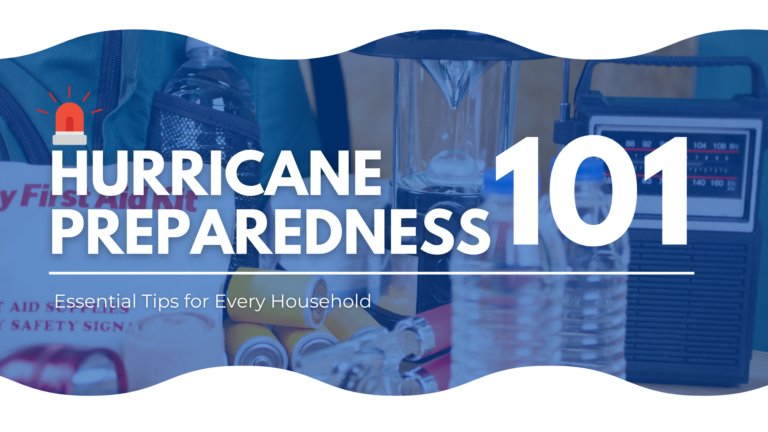
Hurricane Preparedness 101: Essential Tips for Every Household

As hurricane season approaches, it’s crucial for every household in Texas Forest Country to be prepared. Hurricanes can bring devastating winds, heavy rainfall, and flooding, posing significant risks to life and property. Here’s a comprehensive guide to help you prepare effectively, ensuring you and your family stay safe during these powerful storms.

Assembling an Emergency Kit

An emergency kit is vital for your survival during a hurricane. According to FEMA and the Red Cross, a well-stocked emergency kit should include the following items:

  • Water: At least one gallon per person per day for at least three days, for drinking and sanitation.
  • Food: At least a three-day supply of non-perishable food.
  • Battery-powered or hand-crank radio: A NOAA Weather Radio with tone alert.
  • Flashlight: Extra batteries are essential.
  • First aid kit: Include necessary medications and medical supplies.
  • Whistle: To signal for help.
  • Dust mask: To help filter contaminated air.
  • Plastic sheeting and duct tape: To create a shelter if needed.
  • Moist towelettes, garbage bags, and plastic ties: For personal sanitation.
  • Wrench or pliers: To turn off utilities.
  • Manual can opener: For food.
  • Local maps: For navigation.
  • Cell phone with chargers and a backup battery: To stay connected.

Having these items ready and easily accessible can make a significant difference in an emergency. For a more detailed list and customization options, visit FEMA’s Emergency Kit Checklist.

Creating a Family Communication Plan

Communication is crucial during a hurricane. Ensure your family knows how to stay in touch and where to go in case you get separated. Here’s how to create an effective family communication plan:

  1. Contact Information: Compile a list of emergency contacts, including family members, friends, neighbors, and local emergency services.
  2. Designated Meeting Spots: Choose two places to meet — one right outside your home in case of a sudden emergency, and another outside your neighborhood in case you cannot return home.
  3. Emergency Contact: Identify an out-of-town relative or friend as a central point of contact for all family members.
  4. Communication Methods: Discuss how you will communicate during an emergency (e.g., text messages, social media, phone calls).
  5. Practice Regularly: Review and practice your plan regularly to ensure everyone knows what to do.

For a detailed family emergency communication plan template, visit the Red Cross Family Plan Template.

Understanding Evacuation Routes

Knowing the evacuation routes in your area can save lives. Here are steps to ensure you’re prepared:

  1. Know Your Zone: Familiarize yourself with your community’s hurricane evacuation zones and routes. This information can be found on your local government’s emergency management website.
  2. Plan Your Route: Identify multiple routes to ensure you have alternatives if your primary route is blocked.
  3. Keep Your Vehicle Ready: Ensure your car is in good working condition and keep the gas tank full during hurricane season.
  4. Stay Informed: Monitor local news and weather updates to stay informed about evacuation orders and traffic conditions.
  5. Shelter Locations: Know the locations of nearby shelters and have a plan for reaching them if necessary.

For local evacuation route maps and shelter information, visit the Texas Department of Public Safety.

Preparation is the key to safety during hurricane season. By assembling an emergency kit, creating a family communication plan, and understanding evacuation routes, you can protect yourself and your loved ones from the potential dangers of hurricanes. Stay informed, stay prepared, and stay safe.

For more information and resources, visit FEMA and the Red Cross.


  • Emergency kit List.
  • Family communication plan template.
  • Maps of local evacuation routes.

Stay tuned during this Texas Hurricane Preparedness  Week for more articles in our Hurricane Preparedness series, ensuring you are ready for whatever the season may bring.

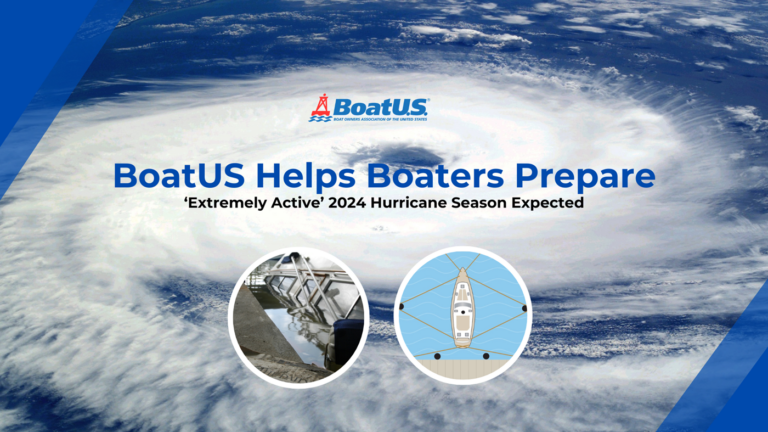
BoatUS Helps Boaters Prepare:‘Extremely Active’ 2024 Hurricane Season Expected

Free boat prep help at BoatUS.com/Hurricanes

Colorado State University’s (CSU) Tropical Weather and Climate researchers, long known for their annual hurricane forecasts, are calling for the 2024 Atlantic hurricane season to be “extremely active.” Above-average warm waters in the eastern and central Atlantic – “fuel” for a hurricane – as well as expected La Niña conditions later this summer/fall, which decrease vertical wind shear, contribute to the potential for increased storm formation this season.

While past storm forecasts averaged just 14.4 named storms and 7.2 hurricanes per season (1991-2020), CSU researchers predict 23 named storms this season, which begins Saturday, June 1, with 11 expected to reach hurricane strength (winds of 74 mph or greater). That could mean more boaters on the coast may find themselves unexpectedly in the “cone,” or predicted path of a hurricane, and need to make preparations to protect their boat to lessen the chance for damage or loss.

Boaters should start preparing now for hurricane season. Waiting until the last minute can mean the difference between surviving or a total loss.

They can start planning now with help from the national advocacy, services, and safety group for boaters, Boat Owners Association of The United States (BoatUS), which offers free boat, yacht club, and marina preparation information at BoatUS.com/Hurricanes. BoatUS makes this information available to all boaters in hurricane regions (membership not required).

BoatUS hurricane preparation information for boaters includes helpful diagrams on how to best protect a boat stored in water, such as here when a slip is not available.

Offered online is an extensive library of hurricane-preparation videos and BoatUS Magazine articles containing proven tips and techniques amassed from nearly four decades of post-storm recreational vessel recovery, salvage, and wreck-removal experience.

Downloadable guides include “BoatUS Magazine Hurricane Preparations,” “Preparing Boats and Marinas for Hurricanes” and an easy-to-download “BoatUS Hurricane Preparation Worksheet” to take with you to the boat.

To help know when to prepare, an Active Storm Tracker helps keep boaters up to date on the direction and intensity of incoming storms, and the BoatUS App offers text alerts. The Atlantic Hurricane Season ends November 30, but in recent years, hurricanes have occurred outside the typical start and end dates.

Upcoming Texas House Committee Hearings: What You Need to Know

Following each legislative session, the Texas Lieutenant Governor and Speaker of the House assign interim charges for corresponding committees to study topics and develop strategic plans to guide future policymaking in the Texas Legislature. Recently, the Texas House received interim charges, and committees will soon begin holding hearings to monitor the implementation of legislation passed during recent sessions, gather input from interested parties and citizens, and make policy recommendations for the next session. 

Given the recent release of interim charges, I thought it would be informative to dedicate a portion of my subsequent columns to a brief examination of each House Committee and the work they’ll be doing over the interim leading up to the next session.

With that, our first two committees will be the House Committee on Business & Industry and the House Committee on Land & Resource Management.

House Interim Charge: Business & Industry

The House Committee on Business & Industry has jurisdiction over several state agencies, including the State Office of Risk Management, the Division of Workers’ Compensation of the Texas Department of Insurance, and the Texas Mutual Insurance Company Board of Directors. Over the interim, members of this Committee will study the impact of increased housing prices and rent caused by private companies purchasing residential properties and examine the rising number of fraudulent property deeds.

Additionally, the Committee will monitor the implementation of House Bill 4, the Texas Data Privacy and Security Act, which strengthens the right to privacy protections against data and technology companies. HB 4 also requires companies with access to personal data to provide an opt-out provision for users and further requires companies to delete any individual data they retain.  

House Interim Charge: Land & Resource Management

The House Committee on Land & Resource Management has jurisdiction over the School Land Board, the Board for Lease of University Lands, and the General Land Office. Over the interim, members of this Committee will study factors affecting the availability and affordability of housing in Texas. As part of their study, they will examine state and local laws impacting supply and demand for housing, barriers to construction resulting from zoning practices, and the availability and costs of housing inputs.

Additionally, the Committee will monitor the implementation of legislation passed during the 88th Legislative Session related to building codes, property development, and zoning ordinances.

Tyler County US HWY 69 Expansion

The Texas Department of Transportation has scheduled two upcoming public meetings to solicit feedback on the US 69 expansion project in Tyler County. Be sure to mark your calendars for the following dates:

  • Tuesday, June 4, from 5 p.m. to 7 p.m. at the Kirby Gymnasium, on the Wheat Elementary/Woodville Intermediate Campus of Woodville ISD, located at 507 Kirby Drive in Woodville
  • Thursday, June 6, from 5 p.m. to 7 p.m. on the Campus of Warren High School, in Warren

Input from the community is a critical part of the planning process, and will ultimately be used to determine the route and location of the project. I want to encourage all Tyler County residents to participate in the public comment process by attending one of the upcoming meetings, or by submitting comments online. You can submit your comments by emailing bmtproject@txdot.gov or through the online portal at https://engagetxdot.mysocialpinpoint.com/us-69-woodville-colmesneil

The mobile office is on the road again in June, and our District Director looks forward to seeing you on the following dates at the following times: June 5 at the San Augustine County Courthouse in San Augustine from 9-11 a.m.; June 12 at the Polk County Commissioner’s Courtroom in Livingston from 9-11 a.m. and the Tyler County Commissioner’s Courtroom in Woodville from 1:30-3:30 p.m.; and June 19 at the Houston County Courthouse Annex in Crockett from 9-11 a.m. and the Trinity County Courthouse in Groveton from 1:30-3:30 p.m

As always, please do not hesitate to contact my office if we can help you in any way. My district office may be reached at (936) 634-2762 and my Capitol office may be reached at (512) 463-0508. Additionally, I welcome you to follow along on my Official Facebook Page, where I will be posting regular updates on what’s happening in your State Capitol and sharing information that could be useful to you and your family: https://www.facebook.com/RepTrentAshby/.