Home Blog Page 93

Angelina College Pays Tribute to Phillips: Speakers, Crowd Honor Legacy of AC’s Second President

Dr. Larry Phillips was president of Angelina College when construction of Shands Gymnasium began. He spent plenty of time there over the years, both while serving in his professional role and as a fan in his post-retirement life. He led Commencement ceremonies inside the facility, and he watched his Roadrunner and Lady Roadrunner basketball teams compete there.

It seemed only fitting that his memorial service would take place on the Shands Gymnasium floor.

AC on Sunday held a memorial service for Phillips, who passed away on January 27 of this year. Phillips, just the second president in Angelina College’s 56-year history, served in the role from 1991 until his retirement in 2015.

With a crowd of family, friends, former employees and student-athletes filling the seats, guest speakers paid tribute to Phillips’ life and legacy. Current AC president Dr. Michael Simon, who succeeded Phillips, spoke of Phillips’ love of the college – “He seemed to know every tree and landmark on this entire campus” – and its people, along with Phillips’ vision for reaching students wherever he could locate them. Simon also mentioned how much “family” meant to Phillips, whether it was his own or the AC family. 

Angelina College president Dr. Michael Simon speaks to the crowd during Sunday’s memorial service inside AC’s Shands Gymnasium. AC honored the life and legacy of the late Dr. Larry Phillips, the former president who passed away in January. (Gary Stallard photo for the AC News Service)

Dr. Patricia McKenzie worked alongside Phillips for the entirety of his tenure, and she told the crowd of his work in expanding the AC reach throughout its 13-county service area. McKenzie shared the tale of having Phillips return from a meeting or conference somewhere only to have everyone involved in his next meeting break out the “yellow legal pads.”

Former Angelina College Vice President Dr. Patricia McKenzie addresses the crowd during Sunday’s memorial service inside AC’s Shands Gymnasium. AC honored the life and legacy of the late Dr. Larry Phillips, the former president who passed away in January. (Gary Stallard photo for the AC News Service)

“He’d come up with so many new ideas, and he wanted to make sure we wrote all of them down,” McKenzie said. “And he always wanted those old-school yellow legal pads.”

The final speaker for Sunday’s memorial was Phillips’ younger brother Gene, who shared childhood tales while highlighting Larry’s leadership – “He always took charge of whatever we were doing, and he made sure we were taken care of while we did it” – along with Larry’s incredible intelligence gleaned through voracious reading habits. Gene also mentioned a few of his brother’s “invented golf shots.”

Gene Phillips shares stories of his late brother Larry during Sunday’s memorial service. Angelina College held the tribute inside Shands Gymnasium to honor the life and legacy of Dr. Larry Phillips, who served as the college’s second president from 1991 until 2015. (Gary Stallard photo for AC News Service)

Gene stressed his older brother’s knack for “showing up.” Whether it was a basketball game (both Larry and Gene were standout collegiate basketball players), a family event or a professional obligation, Gene said, his brother was going to be there. 

“There were so many times my family would have an event somewhere, and Larry would tell us he wasn’t sure if he could make it,” Gene said. “Then, about 10 minutes before the game or whatever would start, he’d just show up.”

Gene added, “I have no doubt that when Larry entered the gates of Heaven, the Lord Jesus himself greeted him and told him, “I knew you’d show up.’”

Spring’s Colorful Canvas: Where to Find Beautiful Wildflowers Across the Region

When winter says goodbye, our countryside wakes up with beautiful colors everywhere you look. Bright bluebonnets, pretty primroses, and many other wildflowers turn ordinary roadsides and fields into amazing natural art shows that you won’t want to miss.

Want to make some great family memories or take some beautiful pictures? These natural displays are perfect for that. And the best part? You don’t have to drive far to see all this beauty – some of the prettiest wildflower spots are just a short drive away.

You’ve probably seen Texas bluebonnets before – they’re those blue flowers that make blue carpets along the highways and in open fields. But there’s so much more to see! Keep an eye out for bright yellow black-eyed Susans, pink and white evening primroses, and the eye-catching red-and-yellow Indian paintbrush.

If you go to wetter areas, especially near the Big Thicket, you might find pitcher plants – they’re pretty cool because they actually eat bugs! And don’t forget to look for dogwoods with their pretty white flowers that light up the forest. They don’t bloom for long, so seeing them feels extra special.

Prime Viewing Locations

Want a guaranteed beautiful display? Take a drive along Highway 21 through Sabine National Forest. You’ll see miles and miles of colorful flowers. Why not pack some sandwiches and drinks and stop at one of the forest’s picnic areas? There are even short walking paths that lead to more wildflowers hiding away from the road.

If you’re near Nacogdoches, check out the Ruby M. Mize Azalea Garden at Stephen F. Austin State University. While it’s famous for its 400+ kinds of azaleas, you’ll also find plenty of native wildflowers in the natural areas of the garden.

Angelina National Forest is another great spot, especially along Forest Service Road 303. The way the bright flowers look against the tall pine trees makes for really pretty photos that the whole family will love.

Hidden Gems Worth Discovering

Some of the best wildflower spots are the ones fewer people know about. The Neches River area in Davy Crockett National Forest has amazing riverside wildflower shows that not many people get to see. You can get there through Apple Springs in Trinity County.

If you’re up for a drive to the eastern part of our region, Martin Dies Jr. State Park in Jasper County offers a special mix of wetland wildflowers with B.A. Steinhagen Lake in the background. The trails are easy to walk, making this spot perfect for families with little kids or folks who have trouble walking far.

Near Livingston in Polk County, the quiet trails of Lake Livingston State Park burst with spring colors. The park has both pine forests and hardwood bottomlands, which means you’ll see lots of different kinds of wildflowers.

When to Go

Wildflower season typically begins in early March and extends through May, with different flowers blooming at different times. Morning visits are nice because you’ll see dew on the petals and more wildlife moving about. If you’re taking pictures, try going about an hour before sunset – the light makes everything look extra pretty.

Try visiting on weekdays if you can – there will be fewer people, especially at the popular spots. And if you can go after it rains, the colors look brighter and more vivid, making those slightly cloudy days perfect for both looking and taking photos.

Respectful Viewing Tips

It’s tempting to pick flowers or sit among them for pictures, but please remember these delicate plants need our respect. Stay on the paths, don’t step on flowers, and just take pictures instead of picking anything.

Bringing a camera or even just your phone is perfect for capturing these beautiful moments. And if you download a plant identification app before you go, you can learn the names of flowers you’ve never seen before. A trip to see wildflowers can be both fun and educational for everyone.

Community Connections

Many towns have special events during wildflower season. In San Augustine, they have yearly Wildflower Trail festivities with guided tours and programs about taking care of native plants.

The Tyler County Dogwood Festival celebrates dogwood blooms but also shows off many other wildflowers through exhibits and driving tours that take you to the best viewing spots in the county.

These community events are great places to learn from people who know a lot about plants while supporting groups that work to protect our natural treasures for our kids and grandkids to enjoy.

Looking Beyond Spring

Spring has the most dramatic flower shows, but our region has beautiful blooms all through the warm months. Summer brings bright orange butterfly weed, while fall gives us golden goldenrod and purple asters.

When we notice and appreciate these natural cycles, we feel more connected to the land around us. Each season has its own special beauty, reminding us just how lucky we are to live in this part of Texas.

Whether you’ve lived here your whole life or just moved here, taking time to see the spring wildflowers gives you a chance to slow down, take a deep breath, and enjoy the simple yet amazing beauty that’s all around us every day.

Staying in Touch with Mission Control: A Leadership Lesson in Faith

by Lee Allen Miller

My pastor for the last month has been speaking on the armor of God. This week, he drew a great picture of the power of prayer being like the spinach from the old popeye cartoon that gave the weakling sailor power. Prayer gives us that power!

In every space mission, there’s one unshakable reality—mission control never loses contact with the spacecraft. Except when it moves to the dark side. The radio silence isn’t because mission control left, but because the spacecraft has moved into a position where it can no longer receive the signal. Yet, mission control remains, ready and waiting for that moment when the signal is restored, when communication is reestablished, and guidance can flow once again.

Isn’t that a perfect analogy for our relationship with God?

God never moves. He never leaves. He remains constant, unwavering, always reaching out to us. But sometimes, we drift. We move into the shadows—distracted, discouraged, or deceived—and we find ourselves in the dark, unable to hear Him. And often, it’s in those dark times that we need Him most.

Navigating the Dark Side

Life will take us into difficult places. Maybe it’s a season of struggle, failure, or grief. Maybe it’s doubt, fear, or the pressures of the world that drown out God’s voice. We may feel like we’ve lost the signal, like we’re out there alone. But the truth is—God hasn’t gone anywhere. We have.

Ephesians 6:12 reminds us that “we do not wrestle against flesh and blood, but against the rulers, against the authorities, against the cosmic powers over this present darkness.” There is a real enemy who wants to keep us in the dark, who wants us to believe the lie that we are disconnected, that we are alone. But we are not. Mission control is still there. God is still there. And He has given us everything we need to stay connected.

Reestablishing the Connection

Just as astronauts must prepare for every mission with precision and discipline, we must do the same in our faith. Ephesians 6:13 tells us to “take up the whole armor of God, that you may be able to withstand in the evil day.” That means:

Truth as our foundation (v.14) – When deception tries to pull us away, we anchor ourselves in God’s unchanging Word.

Righteousness as our defense (v.14) – We choose to live rightly, keeping our hearts aligned with Him.

Faith as our shield (v.16) – No matter what fiery darts come our way, we trust that God is with us

Prayer as our lifeline (v.18) – Just like astronauts rely on mission control, we must stay in constant communication with God.

We don’t have to wait until the darkness fades to reach out. We can pray in the dark. We can read His Word in the silence. We can choose faith even when we feel far away. And when we do, we’ll find that He was never gone—He was waiting for us to realign, to turn back, to listen.

Mission Control Never Leaves

No astronaut stays in the dark forever. They always come back into the light, back into contact, back into guidance. And so do we. Whether you feel lost today or find yourself drifting tomorrow, remember: God is always there, always speaking, always calling you home. The question is—are you ready to reestablish contact?

God is waiting. It’s time to tune in.

About Lee Miller

Lee Miller was born in Denison, TX and grew up in East Texas with his family. He studied music education at Stephen F. Austin State University taking a job in television on his last day of student teaching. Lee also provides business authoritative expertise to the broadcast industry as a consultant. Presently he is CEO of MSG Resources LLC, which specializes in consulting within broadcast best practices, distribution technologies and media strategy mastery. – – – – – Lee Miller is a well-known veteran of the broadcast media industry with particular experience in leading for-profit and non-profit broadcasting organizations. His career began in Lufkin, Texas in the early 80’s where he progressed from studio operations to creative services and network management. Mr. Miller has since received various professional designations and memberships such as Society of Broadcast Engineers accredited frequency coordinator, The Energy Professionals Association Certified Energy Consultant, and National Religious Broadcasters Television Committee & past Chair. Lee also serves as the Executive Director of the Advanced Television Broadcasting Alliance, is a member of the Advanced Television Systems Committee and is proud to be part of Texas Association of Broadcasters Golden Mic Club, highlighting extraordinary careers in broadcasting. Continued engagement with his community is at the core of his business practices serving on the board of the Salvation Army and as keyboardist for the contemporary worship band at Harmony Hill Baptist Church. Lee lives near Lufkin Texas on one of his family’s tree farms located in the Texas Forest Country region north of Houston. He is married to Kenla and has two grown children, Joshua, COO of MSGPR Ltd Co and Morgan, a Critical Care ICU RN.

The Ultimate Guide to Caring for Rhode Island Red Chickens

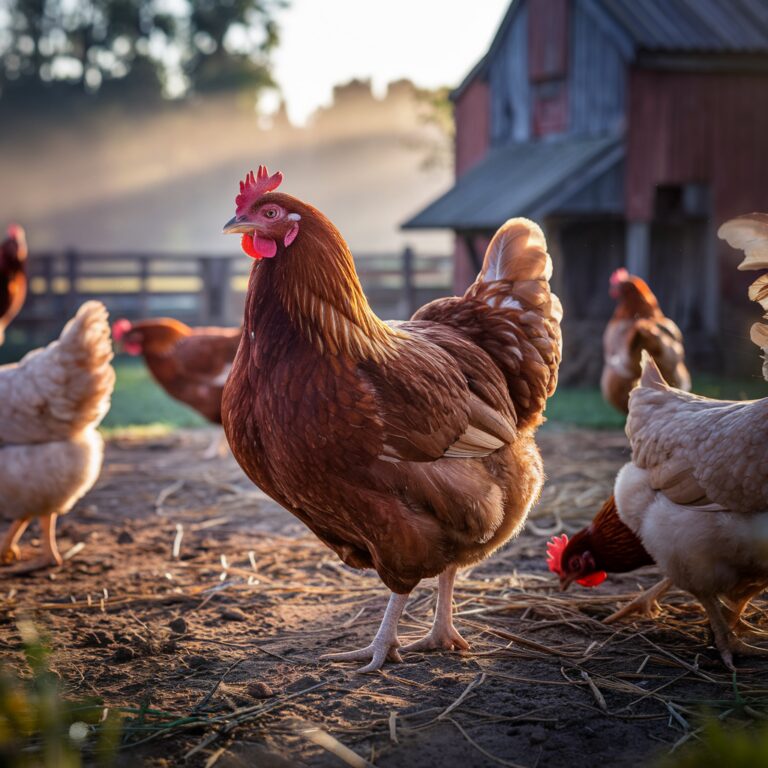
If you’re looking for a hardy, reliable, and downright beautiful chicken breed to add to your backyard or farm, the Rhode Island Red is a top contender. Known for their deep red plumage, excellent egg production, and tough-as-nails resilience, these birds thrive in a variety of settings—from small homesteads to large-scale farms.

At Texas Forest Country Living, we know that raising chickens isn’t just about fresh eggs or pest control—it’s about embracing a sustainable, self-reliant lifestyle. Whether you’re new to poultry or a seasoned chicken keeper, this guide will walk you through everything you need to know about caring for Rhode Island Reds.

  1. Why Choose a Rhode Island Red?

Rhode Island Reds aren’t just a pretty bird; they are a dual-purpose breed, meaning they’re good for both egg-laying and meat production. Here’s why they’re a favorite:

 Excellent Egg Layers – Expect 250–300 large brown eggs per year.
Cold & Heat Tolerant – These birds handle Texas heat and cold winters better than most breeds.
Low Maintenance – They are independent foragers and don’t require much pampering.
Great Personality – Friendly but feisty, they integrate well into mixed flocks.

  1. Housing & Coop Setup

A happy hen is a productive hen, so setting up the right housing is crucial.

Coop Requirements

  • Space: Each bird needs at least 4 square feet of indoor coop space and 10 square feet of outdoor run space. If confined, give them even more room to prevent pecking issues.
  • Nesting Boxes: Provide one nesting box per 4 hens, ideally 12×12 inches with soft bedding.
  • Roosting Bars: Chickens instinctively sleep on perches, so install 2-inch wide roosts at least 18 inches off the ground.

Ventilation & Security

  • Good airflow prevents respiratory issues—add ventilation holes near the top of the coop.
  • Secure the coop with hardware cloth, not chicken wire (raccoons can reach through chicken wire).
  • Use predator-proof latches on doors and nesting boxes.
  1. Feeding & Nutrition

Rhode Island Reds are hardy birds, but a proper diet ensures better health and egg production.

Feed Types:

 Chicks (0-8 weeks): Start with a high-protein (18-20%) chick starter feed.
Pullets (8-18 weeks): Transition to grower feed (16-18% protein).
Laying Hens (18+ weeks): Provide layer feed (16% protein) with added calcium for strong eggshells.

Supplements:

  • Oyster Shells – Helps with eggshell strength.
  • Grit (Small Rocks) – Essential for digestion since chickens don’t have teeth.
  • Fresh Greens & Scraps – Chickens love table scraps like fruits, veggies, and grains. Just avoid onions, garlic, avocado, and chocolate.
  1. Free-Ranging & Backyard Life

One of the best things about Rhode Island Reds? They’re fantastic foragers. If you allow them to free-range, they’ll happily hunt for bugs, seeds, and grass, reducing your feed bill.

Pros of Free-Ranging:

 Less feed consumption
Healthier birds with better muscle tone
Natural pest control (they love eating ticks, flies, and grasshoppers)

Cons & Considerations:

 Predator risk – Secure them at night to protect from hawks, foxes, and raccoons.
Garden damage – They’ll scratch up flower beds and eat young seedlings if given the chance.

Pro Tip: If you want the benefits of free-ranging but don’t want your chickens in your garden, try a mobile chicken tractor—a movable coop that gives them fresh grass daily while keeping them contained.

  1. Health & Common Issues

Rhode Island Reds are naturally hardy, but they can still face some common chicken illnesses.

Watch Out For:

  • Mites & Lice – Dust baths and diatomaceous earth help keep parasites away.
  • Respiratory Illnesses – Keep coops clean and well-ventilated to avoid infections.
  • Egg Binding – If a hen struggles to lay an egg, a warm bath and calcium boost can help.

Signs of a Healthy Chicken:

 Bright eyes & red comb
Smooth, shiny feathers
Active and alert behavior
Steady egg production

If your hen looks lethargic, stops eating, or isolates itself, it may be sick. Isolate the bird and check for symptoms.

  1. Winter & Summer Care

While Rhode Island Reds are tough birds, extreme Texas heat and occasional cold snaps require extra care.

Hot Summers:

  • Provide shade & cool water at all times.
  • Freeze water bottles and place them in the coop.
  • Offer electrolytes in their water to prevent heat stress.

Cold Winters:

  • Rhode Island Reds handle cold well, but ensure the coop is draft-free while keeping ventilation.
  • No need for heat lamps—they can be a fire hazard.
  • Provide extra bedding for insulation.
  1. Handling & Behavior

Rhode Island Reds are active and sometimes a bit bossy, but they can also be quite friendly if raised with human interaction.

 Socialization Tips:

  • Handle them from a young age to make them tamer.
  • Offer treats like mealworms to build trust.
  • Be gentle but firm—roosters, in particular, can get aggressive.

If integrating new birds, do it slowly. Keep new chickens separate for at least two weeks before introducing them to the flock.

A Chicken Worth Raising

Rhode Island Reds are the ultimate low-maintenance, high-reward backyard chickens. Whether you’re after farm-fresh eggs, a hardy breed that thrives in Texas, or just a beautiful addition to your homestead, these birds deliver.

By providing proper housing, quality nutrition, and a little care, you’ll enjoy years of productive, happy hens.

Thinking of starting your own flock? Let us know in the comments or share your Rhode Island Red experiences with us at Texas Forest Country Living!

Rails Through the Pines: The Founding and Growth of Lufkin

The story of Lufkin begins where many Texas town stories do—with the arrival of the railroad. In 1882, as steel rails cut through the dense pine forests of what would become Angelina County, few could have imagined that the small railway stop would grow into the vibrant community we know today.

Railroad Roots

In the early 1880s, the Houston, East and West Texas Railway pushed northward through the East Texas timberlands, creating new opportunities for commerce and settlement. When surveyors mapped the route, they established a stop that would forever change the landscape of the region.

The new community was named after Captain Abraham P. Lufkin, a cotton merchant and personal friend of the railroad’s president. Though Captain Lufkin never actually lived in his namesake town, his connection to the railway secured his place in local history.

A Community Takes Shape

The strategic location of the railway stop quickly attracted attention from nearby settlements. Businesses and professionals from Homer, which was the county seat at the time, began relocating to the promising new railroad town.

This migration accelerated after a fire damaged much of Homer’s business district. The presence of the railroad offered better transportation options for both goods and people, making Lufkin an increasingly attractive option for merchants, timber workers, and families looking to establish new homes.

Timber Boom

From 1890 to 1920, Lufkin experienced a significant growth period fueled by the booming timber industry. The surrounding pine forests provided seemingly endless resources for sawmills and lumber companies that established operations near the railway.

The abundant natural resources combined with convenient transportation created ideal conditions for economic development. As timber companies flourished, they created jobs that attracted workers and their families, further expanding the young community.

Industrial Evolution

The third significant era in Lufkin’s development occurred between 1938 and 1945. This period saw substantial industrial expansion that transformed the community from a railway stop and lumber town into a manufacturing center.

New industries established roots in the area, diversifying the economy beyond timber production. This industrial growth created ripple effects throughout the community, supporting the development of new neighborhoods, schools, churches, and businesses.

Forest Stewardship

Today, Lufkin serves as the headquarters for the national forests of Texas. From this central location, officials manage the Angelina, Davy Crockett, Sabine, and Sam Houston National Forests, along with the Caddo and Lyndon B. Johnson National Grasslands.

This administrative role connects Lufkin to its timber heritage while emphasizing modern forest management and conservation principles. The forests that once provided raw materials for early industry now serve recreational, ecological, and sustainable timber purposes.

Economic Diversity

While forestry remains important to the local economy, Lufkin has developed a diverse economic base that includes agriculture, manufacturing, and tourism. This diversity has helped the community weather economic changes that might otherwise impact a single-industry town.

The manufacturing sector builds on the industrial growth that began in the 1930s and 1940s, providing stable employment for area residents. Agricultural enterprises in surrounding areas contribute to the local economy through both production and processing activities.

Looking Forward

From its humble beginnings as a railroad stop named for a cotton merchant who never lived there, Lufkin has evolved into a multifaceted community with deep connections to both its past and its future.

The railroad tracks that first defined the town still run through Lufkin, a physical reminder of the transportation innovation that sparked its founding. Around those tracks, a community has grown that honors its timber heritage while embracing new opportunities for growth and development.

As Lufkin moves forward, it carries with it the legacy of Captain Abraham P. Lufkin and all those who followed the railroad into the pine forests to build a community that continues to thrive almost 150 years after its founding.

Chloe and Mason Stafford Show Family Raised Beef Heifers at The Angelina County Fair

0

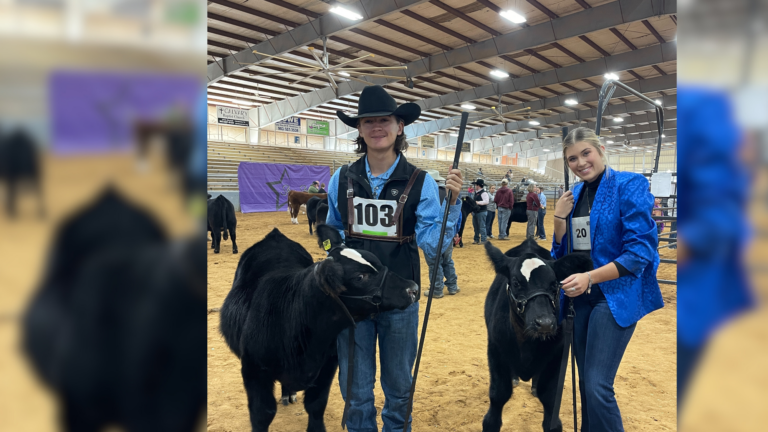
There are three kinds of cattle competition at our county fair:  steers, commercial heifers and the beef heifer division. The beef heifer division is a haltered cattle class that showcases individual beef cattle breeds.  Angus will compete against Angus and Brahman heifers against other Brahman heifers.  Chloe and Mason Stafford, the children of Shane and Karen Stafford, will be competing again this year in the beef heifer division.  

Their mom Karen Stafford shares, “Shane and I both grew up in 4-H showing animals, and we understand the values it taught us; integrity, leadership, dedication, ethics, and the importance of being a part of something bigger than yourself through community service. We knew we wanted our kids to have the same experiences and opportunities. So, both Chloe and Mason joined 4-H as soon as they were old enough.” 

“In Chloe’s first 4-H year, her first project was a market hog named Lilly. Lilly was a wonderful learning experience for her as she learned the importance of raising her animal, and that animal was 100% reliant in her for everything.  Chloe competed at the Angelina County Fair with Lilly and placed somewhere in the middle of her class, but made the sale which is always the ultimate goal. But that sale night was something none of us were prepared for. I’ll never forget the exact moment it struck Chloe, about 10 minutes before she walked in the sale ring, and she realized what it all meant and that Lilly truly would not be coming back home with us. The emotions hit everyone, but we have always focused the fact that these are market animals in the end. We are here to give them the best life we can while we have them, but ultimately, they have a destination in life. That first year is always the hardest. From there, Chloe and Mason have gone in to enter projects in photography, arts & crafts, fine arts, welding, as well as raising market lambs and breeding beef heifers while still raising her pigs.

“The hardest part is always saying goodbye to the market animals,” Karen asserts. “They are truly the kids’ projects, but it’s also a family commitment often placing us all out in the barn working side by side with parents, kids and animals. And even after all these years, there are still those special animals that strike something inside you and makes that final sale night bittersweet and emotional.” 

In addition to some market animal projects, Chloe and Mason are showing heifers that were born just hours apart on family’s own place in 2023. Both are students at Lufkin High where Chloe is a graduating senior this year and Mason is a junior. 

The Angelina County Fair allows exhibitors to show heifers that are 30 months of age, or younger, on the day of the show.  The beef heifer division is sponsored by Ray & Carl Ray Polk Land and Cattle. Unlike most other divisions in the county fair, there is no limit to the number of heifers that may be entered by the exhibitor.

Breed divisions are in three major groups: English, Exotic or American divisions.  English (or sometimes called British) breeds include Angus, Hereford and Shorthorn. Registered breeds will show in their own breed division and any unregistered animal will show in the “All Other Breeds” class.  Classes for the beef breeding show will be broken down into three age divisions: under one year old, one two years, and over two years of age.  Heifers in a class will be lined up according to age, youngest to oldest as they enter the arena.  

The judge will evaluate the heifer’s growth and development based upon their age as well as their ability to raise a calf when they are old enough. 

“The most rewarding part has been watching our kids grow up in such a strong and inspiring program as 4-H, being surrounded by friends and families that treat my kids as their own,” observed Karen, “Watching all the kids support and cheer for each other…and ultimately watching how our kids have grown and evolved into successful young people. I feel confident in knowing they will be ready for their next steps in life after high school.”

Chloe states, “The most rewarding part of this beef heifer project has been watching all of my winnings and successes pay off due to hard work and dedication throughout the past five years. I’ve learned how to take care of animals before a show, and I’ve learned about the responsibilities it takes at home in order to be successful in the show ring.” 

Both Mason and Chloe agree that the hardest part is “learning how to take the constructive criticism from what the judge says, in each show ring I step into with my heifer, Lady, and improving before the next show. Both Chloe and Mason will be competing in the heifer show at the Expo Center on Friday, March 28 at 2pm.  

At the end of it all, parents Shane and Karen agree, “We hope our kids will gain confidence in themselves, a greater understanding of agriculture and how it supports our daily lives, as well as becoming good stewards, exhibiting good sportsmanship, helping those who might need an extra hand, and the importance of giving back to their community. 

Chloe wants others to participate, saying “I would encourage others to get involved by explaining how I’ve learned a lot about raising different kinds of animals. I would explain how I’ve gained a lot of skills by raising livestock. Such as, the hard work and dedication toward your animal in order to be successful and all of the benefits it gives you for further life skills.”

This year’s Angelina County Fair presented by Brookshire Brothers is set for March 24-29 at the George H Henderson, Jr Expo Center north of Lufkin on Loop 287.  

Capitol Update: Legislative Milestones and Rural Advocacy in Texas

As we approach the 50-day mark of the 89th Legislative Session, legislators are putting the finishing touches on the bills they intend to file before bill filing deadline, and the hallways are bustling with visitors from across the state.

One of the highlights this week was welcoming the Alabama-Coushatta Tribe to Austin for their annual Legislative Day. It was so great to see so many warm faces from back home as the tribe graciously served the entire Capitol with great Texas Barbeque. 

It was also a special treat to see so many public school teachers and FFA students who were in town to celebrate National FFA Week. As a reminder, all of you are welcome at your Texas Capitol during the legislative session. Never forget that our beautiful Capitol belongs to every Texan, and if my office can help facilitate a visit, please don’t hesitate to contact either our Capitol or district office.

With that, here’s an update from your State Capitol…

Capitol Update

The Texas House was hard at work this week as members of the House Appropriations Committee met multiple times to consider our state’s budget as it relates to higher education. The subcommittee heard testimony from the Texas Comptroller, the Texas Education Agency, and the Texas Water Development Board. 

Each agency was given the opportunity to lay out its budget requests and answer any questions members of the Committee may have. The Committee will continue to hold similar hearings over the next several weeks as members work to finalize the House budget. Outside of the budget hearings, the workload around the Capitol is steadily increasing.

The Speaker of the Texas House recently unveiled four priority bills for this session. While these four bills are only a starting point, the Speaker will soon announce his complete list of priorities for the House. Two of these bills, House Bills 2 and 4, are critically important to our rural schools.

The first bill, HB 2, is a sweeping public education bill that expands teacher pay and retention incentives, increases the basic allotment for school funding, and expands pre-K access. HB 4 eliminates the STAAR test, and reshapes Texas’s public school accountability framework, Additionally, the bill, while maintaining campus standards, implements long-term changes to our current school rating systems.

If you’ve been keeping up with my columns, you’re familiar with my passion for increasing services to the rural areas of our state. This week, I filed House Bill 3010, which will provide small rural counties and local governments with state assistance to repair critical infrastructure. 

All too often in Deep East Texas, vital resources, such as roads and water treatment plants, are left in disrepair following an extreme weather event. Oftentimes, it can take weeks, months, or sometimes years to return those resources to working order due to a lack of resources. HB 3010 seeks to provide relief to our underserved folks in rural areas. I’m proud to work on this important policy initiative and will continue to prioritize legislative efforts that empower and serve rural Texans during this session.   

The mobile office is on the road again and looks forward to seeing you on the following dates, in the following locations: March 5 at the San Augustine County Courthouse from 9:30-11:30 am; March 12 at the Polk County Commissioner’s Court Room in Livingston from 9:30-11:30 am, or at the Tyler County Courthouse in Woodville from 1:30-3:30 pm; March 19 at the Houston County Courthouse Annex in Crockett from 9:30-11:30 am, or at the Trinity County Courthouse in Groveton from 1:30-3:30 pm.

As always, please do not hesitate to contact my office if we can help you in any way. My district office may be reached at (936) 634-2762. Additionally, I welcome you to follow along on my Official Facebook Page, where I will post regular updates on what’s happening in your State Capitol and share information that could be useful to you and your family: https://www.facebook.com/RepTrentAshby/.

Choosing Healthy Beverages for Kids and Teens

(StatePoint) Choosing healthy beverages for children and adolescents is just as important as choosing healthy foods, as it impacts everything from oral health to chronic disease risk. That’s why leading health and nutrition organizations developed new healthy beverage recommendations for families with children ages 5-18.

These evidence-based recommendations were created as part of a collaboration by experts at the Academy of Nutrition and Dietetics, American Academy of Pediatric Dentistry, American Academy of Pediatrics, and the American Heart Association, who were brought together by Healthy Eating Research (HER) with funding from the Robert Wood Johnson Foundation.

To make choosing healthy beverages easier for families, the organizations created these three categories:

Beverages to Drink

These beverages are recommended as part of a healthy diet because they provide essential nutrients, such as vitamins and minerals, and don’t contain added sugars.

  • Plain drinking water is still the best option to keep kids healthy and hydrated. It’s also often the most accessible and affordable.
  • Plain, pasteurized milk is another healthy option because it provides important nutrients that growing kids and teens need.

Beverages to Limit

  • 100 percent fruit and vegetable juice can be part of a healthy diet, but daily consumption should be limited. Whole fruits and vegetables are generally better choices because they provide dietary fiber, contributing to a feeling of fullness.
  • Plant-based milk alternatives like oat milk and almond milk should be limited because they are not nutritionally equivalent to cow’s milk, which provides essential nutrients that kids need to grow up healthy. Many also contain added sugars and non-sugar sweeteners, which are harmful to kids’ health. If your child is allergic to dairy milk or has a dietary restriction, talk to your doctor or registered dietitian about finding the plant-based milk alternative that is best for your child.
  • Flavored milks, like chocolate milk and strawberry milk, should be limited because they contain high amounts of added sugars and non-sugar sweeteners. If your child does not like drinking plain milk, it’s best to consider other foods from the dairy group (like unsweetened yogurt) before offering flavored milk.

Beverages to Avoid

These beverages are not recommended as part of a healthy diet because they offer no nutritional value and have ingredients that can be harmful to kids and teens.

  • Sugar-sweetened beverages, such as sports drinks, sodas, fruit drinks, fruitades, aguas frescas and sweetened waters are high in added sugars, which can put children at risk for dental cavities, and diet-related diseases like type 2 diabetes and obesity.
  • Drinks with non-sugar sweeteners, such as aspartame, stevia and monk fruit, should also be avoided. Just because a drink is advertised as sugar-free doesn’t mean it’s healthier. In fact, new research shows non-sugar sweeteners may not help control body weight and may increase the risk of diet-related chronic diseases such as type 2 diabetes and heart disease.
  • Drinks with caffeine or other stimulants like taurine should be avoided. These include energy drinks, energy shots, coffee, and tea. Evidence suggests that there is no safe amount of caffeine consumption for children under 18 and that even small amounts can lead to poor sleep quality, increased blood pressure, and depressive moods and anxiety.

You can learn more about healthy drinks at healthyeatingresearch.org.

“We all want our kids to grow up healthy, and research shows that what kids and teens drink is an important part of a balanced diet, not just what they eat. But there are so many drink products on the market, it can be hard to figure out what’s healthy and what’s not,” said Megan Elsener Lott, MPH, RDN, deputy director of HER. “These recommendations provide a gold standard based on the latest research and can be goals that families work toward together.”

My Five Cents: A Weekly Column by Senator Robert Nichols

This week will mark the anniversary of the “Travis Letter.” On February 24th, 1836, William B. Travis wrote a letter addressed “To the People of Texas and All Americans in the World” ending his letter with the powerful “Victory or Death.” 

Here are five things happening around your state:  

  1. Bill filed to give teachers pay raises 

Senator Brandon Creighton filed Senate Bill 26 this week which would give permanent teacher pay raises to all teachers across the state. The bill would increase teacher pay in accordance with experience and additional increases for teachers at smaller schools. Teachers with 3-4 years of experience would receive an increase of $2,500 per year at schools of more than 5,000 students and $5,000 at schools with 5,000 students or less. Teachers with 5 or more years of experience will receive a $5,500 pay increase at schools of more than 5,000 students and $10,000 at schools with 5,000 students or less. Additionally, the bill would expand the existing Teacher Incentive Allotment (TIA) which was created in 2019. This bill would create an additional category for teacher designations which will create additional pay. Under this legislation, the number of teachers designated would increase from 33 percent to 50 percent. Additionally, the bill would provide free pre-K for teachers’ children in the district where they’re employed. Texas teachers deserve a pay raise and I look forward to supporting our teachers this session. 

  1. Bail reform bills pass Senate

This week the Texas Senate passed a package of bills reforming the state’s bail system. Three bills, all by Senator Joan Huffman, will require a denial of bail to certain violent offenders and will increase accountability of bail setting. SJR 1 will ask voters to approve an amendment to the state constitution that would require judges to deny bail to any illegal immigrant arrested on suspicion of a felony offense if the judge has probable cause to believe the suspect committed the alleged crime. SB 9 will increase judges access to criminal history and will require that bail be set by an elected judge as opposed to a magistrate for certain offenders, including those accused of the most serious violent crimes. Lastly, SB 40 would prohibit any taxpayer funds from being donated to charitable bond organizations. 

Senator Huffman offered SJR 1 in memory of Jocelyn Nungary, a 12-year-old girl from Houston who was allegedly attacked and murdered by two illegal immigrants. 

  1. FCIC successfully investigates and prosecutes card skimming 

A Smith County court issued a life sentence to Fabrizio Slatineanu who illegally entered the country and was found guilty of stealing credit card information through a “skimmer,” a small device that can be inserted into ATMs or gas pumps. Officials stated that Slatineanu stole more than $280,000 from Smith County residents in a single weekend. The case was prosecuted by the Smith County District Attorney’s Office. The conviction was a result of a multi-agency investigation involving the Smith County Sherriff’s Office, the Tyler Police Department, the Lindale Police Department, and the Texas Financial Crimes Intelligence Center. The FCIC coordinates with law enforcement across the world to protect consumers and the Texas economy by preventing, identifying, and investigating organized financial crimes. 

  1. TDA launches downtown revitalization program 

The Texas Department of Agriculture (TDA) will continue a program to provide funding to improve infrastructure for economic activity within designated downtown districts or Main Street areas. Eligible applicants must be incorporated municipalities. TDA states that Downtown Districts can typically be described as a city’s historic area of commerce, an economic center of the community, or the areas around a courthouse or city square. Communities can apply now and applications will be due April 3rd.  

  1. School safety, broadband, tax-payer funded lobbying bills filed this week

This week I filed several bills regarding a variety of issues in our district and state. Senate Bill 1262 will continue efforts from last session to improve the safety of our public schools by allowing the Texas Education Agency to commission peace officers. This added ability will ensure our public school have access to significant safety measures. Additionally, I filed Senate Bill 1405 which will align the state’s definition of internet or broadband speed with the federal standard. SB 1405 will add measures to increase accessibility to high speed internet. I also filed Senate Bill 1420 which will prohibit cities, counties, and school districts from hiring taxpayer-funded, contract lobbyists.

How Businesses in Texas Forest Country Can Simplify Remote Work

When Mark Stevens, owner of a growing logistics company in Texas Forest Country, made the decision to transition his team to a remote work model, he quickly realized that the shift wasn’t as seamless as he had hoped. Employees were struggling with slow connections, security concerns were mounting, and IT issues piled up. Like many business owners, Mark needed a solution that would allow his team to work efficiently from anywhere without technical headaches. That’s when he discovered the power of Managed Service Providers (MSPs).

The Challenges of Remote Work

While remote work offers flexibility and cost savings, it also presents several IT challenges, including:

  • Cybersecurity Risks: Remote employees access sensitive company data from various locations, increasing exposure to cyber threats.
  • Connectivity Issues: Slow or unreliable internet connections can disrupt communication and workflow.
  • IT Support Needs: Without on-site IT teams, resolving technical issues remotely can be time-consuming.
  • Collaboration Barriers: Employees working from different locations need secure, efficient tools for communication and project management.

How MSPs Solve These Challenges

Managed Service Providers offer tailored IT solutions that address these remote work challenges, ensuring that businesses can operate efficiently and securely. Here’s how:

1. Enhanced Cybersecurity

Mark quickly realized his company’s sensitive data was at risk with employees using personal devices on unsecured networks. MSPs provide:

  • Advanced Threat Protection: Firewalls, endpoint security, and intrusion detection systems.
  • Secure VPNs: Encrypted connections for remote employees to access company networks safely.
  • Multi-Factor Authentication (MFA): Added layers of security to prevent unauthorized access.
  • Security Awareness Training: Educating employees on best practices to minimize risks.

2. Reliable Cloud Solutions

MSPs help businesses transition to and manage cloud infrastructure by:

  • Implementing Scalable Cloud Storage: Ensuring easy access to company files from anywhere.
  • Optimizing Collaboration Tools: Managing Microsoft 365, Google Workspace, and other cloud-based applications.
  • Providing Disaster Recovery Solutions: Ensuring data backup and recovery in case of cyberattacks or hardware failures.

3. Proactive IT Support

Technical issues can bring remote work to a halt. Mark’s team struggled with software glitches and connectivity failures until they partnered with an MSP that offered:

  • 24/7 Helpdesk Support: Remote troubleshooting and assistance for employees experiencing IT problems.
  • Automated Monitoring & Maintenance: Identifying and resolving potential issues before they cause disruptions.
  • Software Updates & Patch Management: Ensuring all systems are up-to-date with the latest security patches.

4. Optimized Remote Access & Networking

Ensuring remote employees have stable and fast connections is critical. MSPs help by:

  • Setting Up Secure Remote Desktops: Providing employees with seamless access to office systems from anywhere.
  • Optimizing Bandwidth & Network Performance: Reducing lag and improving overall performance for remote teams.
  • Managing Business VoIP Solutions: Ensuring high-quality voice and video communications without interruptions.

5. Compliance & Data Protection

Many industries have strict regulations on data security. MSPs help businesses remain compliant by:

  • Implementing Data Encryption & Secure Access Controls.
  • Conducting Regular Security Audits & Compliance Checks.
  • Managing Secure File Sharing & Communication Policies.

Why Businesses Need an MSP for Remote Work Success

Mark’s experience is not unique—many businesses face similar challenges when going remote. Partnering with an MSP ensures:

  • Scalability: IT solutions that grow with your business.
  • Cost Savings: Reduced expenses compared to maintaining an in-house IT team.
  • Increased Productivity: Reliable technology enables employees to focus on their work, not IT problems.
  • Stronger Security: Protection against evolving cyber threats.

Future-Proof Your Business with an MSP

As remote work continues to evolve, businesses in Texas Forest Country need IT solutions that are adaptable, secure, and efficient. MSPs take the burden off internal teams, allowing businesses to focus on growth while ensuring seamless, protected remote operations.

Whether your company is transitioning to remote work or looking to optimize existing operations, an MSP is a strategic partner that helps you stay ahead in the digital workplace.

For businesses ready to enhance their remote work capabilities, Castleberry Service provides expert MSP solutions designed to keep teams connected and secure. Contact us today to learn more about how we can support your remote workforce.